

Экологичный холодный асфальтобетон из нефтяного шлама и местных горно-промышленных отходов: подход к ремонту дорог в Моа, Куба, основанный на принципах безотходной экономики
Аннотация
Накопление нефтяного шлама на портовых объектах создает значительную экологическую нагрузку из-за высокой вязкости и сложности утилизации. В рамках данного исследования оценивалась техническая возможность его использования в качестве основного вяжущего компонента при разработке состава холодного асфальтобетона с применением местных заполнителей (серпентинитов из отходов никелевой промышленности и витрокластических туфов) для ремонта дорог в Моа (Куба). Проведено физико-химическое исследование материалов, разработаны асфальтовые смеси с содержанием шлама 8,0; 8,5 и 9,0 %. Были изготовлены 24 образца вяжущего компонента методом уплотнения по Маршаллу и оценены их свойства (плотность, стабильность и деформация) в соответствии с кубинскими стандартами. После применения статистического контроля качества (отбраковка образцов с отклонением > 10 %) экспериментальные результаты показали, что опреде-ляющим фактором является время отверждения. Через 45 дней отверждения при комнатной температуре оптимальная смесь (8,5 % шлама) достигла стабильности по Маршаллу 7,32±0,21 кН и деформации 3,38±0,15 мм, что соответствует кубинскому стандарту качества NC 54 18:1985 для плотных смесей. Экологические тесты на выщелачивание подтвердили инкапсуляцию загрязняющих веществ. Предложенный подход представляет собой экологичное техническое решение для дорожной инфраструктуры и способствует развитию безотходной экономики за счет вовлечения промышленных отходов в хозяйственный оборот.
Отсутствует
Введение
Накопление нефтяного шлама на объектах порта Моа представляет экологическую проблему из-за высокой вязкости шлама и трудоемкости его переработки. Объем накопленного нефтяного шлама оценивается в 1200 м3; он относится к опасным отходам III класса из-за содержания углеводородов и тяжелых металлов. Муниципалитет Моа сталкивается с прогрессирующим ухудшением состояния дорожной инфраструктуры, усугубляемым дефицитом асфальта и удаленностью производственных центров. В этих условиях возникает необходимость разработки экологичных строительных решений, использующих местные ресурсы и способствующих утилизации отходов [1-3].
Асфальтобетон – один из наиболее широко применяемых материалов в дорожном строительстве, получивший признание благодаря своей долговечности и прочности. Он состоит из смеси каменных заполнителей, асфальтовых вяжущих и добавок; правильный состав асфальтобетона критически важен для обеспечения качества и прочности дорожного покрытия. Нефтяной шлам составляют отходы, образующиеся при очистке резервуаров для хранения топлива. Высокая вязкость шлама затрудняет его использование в качестве альтернативного топлива, несмотря на высокую теплотворную способность, а утилизация представляет собой экологическую проблему [4-6]. Использование нефтяного шлама в производстве асфальтобетона может обеспечить его практическое применение, снизить воздействие на окружающую среду и предотвратить размещение на полигонах или загрязнение окружающей среды.
Ранее изучался потенциал таких материалов, как серпентинит (отход никелевой промышленности) и витрокластические туфы (широко распространены в регионе) для применения в строительстве. Их совместное использование с нефтяным шламом при разработке состава холодного асфальтобетона в стране ранее не рассматривалось. Данное исследование призвано восполнить этот пробел в виде предложения технически и экологически жизнеспособной альтернативы для заделывания выбоин и обслуживания дорог. Нефтяной шлам благодаря своим физико-химическим характеристикам имеет хорошие перспективы применения – главным образом для дорог с низкой интенсивностью движения и шоссе. Серпентиниты, образующиеся в результате метаморфизма ультраосновных пород, подходят для использования в качестве строительных заполнителей благодаря своим механическим и химическим свойствам. Их доступность в районе Моа может снизить зависимость от импорта других видов каменных заполнителей из иных регионов [7]. В связи с этим возникла идея использования нефтяного шлама объектов порта Моа для производства холодного асфальтобетона путем его смешивания с соответствующим образом измельченным серпентинитом из месторождений предприятия Comandante Pedro Soto Alba Moa Nickel S.A. и витрокластическим туфом в качестве наполнителя. Эти материалы, считающиеся отходами или побочными продуктами других отраслей, могут эффективно использоваться в производстве асфальтобетона, обеспечивая двойное преимущество с точки зрения экологической и экономической эффективностей. Полученные смеси имеют подходящие показатели для изготовления растворов с прочностью на изгиб до 6,10 МПа и прочностью на сжатие до 14,2 МПа, а также для производства бетонных блоков с прочностью на сжатие до 2,7 МПа. Отходы серпентинита обладают весьма подходящими характеристиками и свойствами для использования в качестве заполнителя с каменной пылью в асфальтовых смесях [8, 9].
Нефтяной шлам с учетом его физико-химических характеристик представляет собой перспективный материал для использования в строительстве и ремонте дорог и шоссе. Нефтяной шлам, извлекаемый со дна резервуаров для хранения, является экологической проблемой для компаний. Его размещение в котлованах и отстойниках – экологически опасная практика, к тому же ведущая к потере энергоресурсов. Для его переработки применяют различные методы, такие как сжигание, отверждение, извлечение углеводородов и биоремедиация, однако физико-химическая переработка обходится дорого. Из-за содержания углеводородов шлам со дна резервуаров считается отходом, который можно повторно использовать. В ходе исследований нефтяных отходов на нефтеперерабатывающем заводе Кубы установлено, что концентрация углеводородов составляет от 29,1 до 51,9 %.
В статье [10] проанализированы способы переработки и утилизации нефтяного шлама. Представлен анализ методов эффективной переработки нефтяных отходов, предложены такие методы, как пиролиз, отверждение и стабилизация – они потенциально способны защитить окружающую среду от загрязняющих веществ, содержащихся в нефтяном шламе. Выбор подходящих методов переработки необходимо осуществлять на основе химического состава отходов. Одним из вариантов использования нефтяного шлама является производство базового материала для дорожного строительства в качестве частичной замены асфальтового вяжущего с соблюдением технических требований для асфальта [11].
В исследовании [12] проанализировано применение нефтяного шлама с нефтеперерабатывающих заводов в сочетании с бентонитовой глиной для производства керамзитового заполнителя. Установлено, что оптимальная смесь содержит 25 % нефтяного шлама и 75 % бентонитовой глины и обжигается при температуре 1000-1050 °C. Результаты показывают, что добавление нефтяного шлама снижает энергопотребление и повышает экологическую эффективность производственного процесса для данного строительного материала.
Серпентиниты, образующиеся в результате метаморфизма ультраосновных пород, подходят для использования в качестве строительных заполнителей благодаря своим механическим и химическим свойствам. Их доступность в районе Моа может снизить зависимость от импорта иных видов каменных заполнителей из других регионов. Для замены каменной пыли в горячих асфальтовых смесях [13, 14] предложено применение твердых горных отходов компании Moa Nickel S.A. в качестве базового заполнителя в горячих асфальтовых смесях. Применение метода Маршалла для разработки смеси помогло установить, что оптимальным является состав с содержанием 60 % отходов серпентинита. Эти отходы обладают подходящими характеристиками и свойствами для замены каменной пыли в смесях такого типа, хотя они не подходят для замены крупного заполнителя.
Согласно исследованию [15], туфы из месторождения кооператива Flores в муниципалитете Банес можно использовать в качестве заполнителей, заменяя крупный заполнитель (гранит 3/8'') при производстве пустотных бетонных блоков. Исследование демонстрирует, что изготовленные блоки соответствуют установленным стандартам, а их прочность на сжатие является достаточной. Для этой цели были исследованы химические и минералогические характеристики туфов и оценены их физико-механические свойства. Испытания на водопоглощение показали превышение стандартов, что типично для пористых материалов.
Цель данного исследования – оценка технической возможности применения холодного асфальтобетона, изготовленного из нефтяного шлама порта Моа, серпентинита и витрокластических туфов; определение оптимального содержания вяжущего, обеспечивающего максимальную стабильность и долговечность смеси. С этой целью были изучены физико‑химические и минералогические характеристики исходных материалов, разработаны смеси с различным содержанием шлама (8,0; 8,5 и 9,0 %) и в лабораторных условиях оценены их показатели по методу Маршалла (плотность, стабильность и деформация), а также содержание пустот. Результаты сравнивались с кубинским стандартом NC 54-18:1985. Такой подход не только позволяет вовлечь в хозяйственный оборот местные промышленные отходы, но и предлагает экологичные строительные материалы для ремонта дорог, снижая зависимость от импортных материалов и способствуя развитию безотходной экономики в регионе [5, 16, 17].
Методы
Методология данного исследования включает три ключевых направления: исследование исходных материалов, разработка и дозирование смесей, оценка механических свойств. В работе применен экспериментальный подход с использованием описательных, сравнительных и количественных методов, обеспечивающий воспроизводимость испытаний в соответствии с кубинскими (NC) и международными (ASTM, AASHTO) стандартами. Все испытания проводились в сертифицированных лабораториях Научно-исследовательского центра никеля компании Comandante Pedro Soto Alba Moa Nickel S.A. и Университета Моа.
Использовались три материала местного происхождения:
- нефтяной шлам из топливных резервуаров порта Моа (рис.1, а);
- серпентиниты (материал, представляющий собой твердые горно-промышленные отходы, отбракованные в процессе переработки никеля и накопленные в отвалах) (рис.1, б);
- витрокластические туфы из местности Эль-Пикао, расположенной вдоль шоссе Моа – Сагуа-де-Танамо, разведанные компанией Geominera Oriente для использования в качестве легких заполнителей (рис.1, в).
Нефтяной шлам был проанализирован в лабораториях Научно-исследовательского центра нефти (CEINPET) в Гаване. Результаты химического анализа нефтяного шлама, %: жиры и масла – 43,4 (метод испытания АРНА 5520); общее содержание углеводородов – 26,51, насыщенные жиры – 13,140, ароматические жиры – 13,37, смолы – 13,78, асфальтены – 5,31 (метод испытания ЕРА 3540С). Результаты физико-химического анализа нефтяного шлама: теплотворная способность – 9946 ккал/кг (метод испытания ASTM D4809-18); кинематическая вязкость при 50 °C – 5155 сСт (метод испытания ASTM D445-19); общее содержание золы – 7,46 % (метод испытания ASTM D482-13); осадок в сырой нефти – 8,67 % (метод испытания ASTM D4809-05). Анализ показывает, что в нефтяном шламе предприятия UEB Puerto Moa преобладают жиры и масла, составляющие 43,4 % материала; теплотворная способность высока и сопоставима с таковой у тяжелых нефтей северного нефтяного пояса Кубы. Вязкость очень высокая, что затрудняет обращение с материалом и его транспортировку.
Нефтяной шлам классифицирован в соответствии с кубинским стандартом NC 452:2013 как опасные отходы III класса (умеренно опасные) из-за содержания углеводородов (26,51 %), присутствия тяжелых металлов (Ni, V, Pb) и высокой вязкости (5155 сСт при 50 °C). Объем накопленного шлама на объектах порта Моа составляет примерно 1200 м3, что создает постоянную экологическую угрозу, связанную с загрязнением почвы и поверхностных вод.
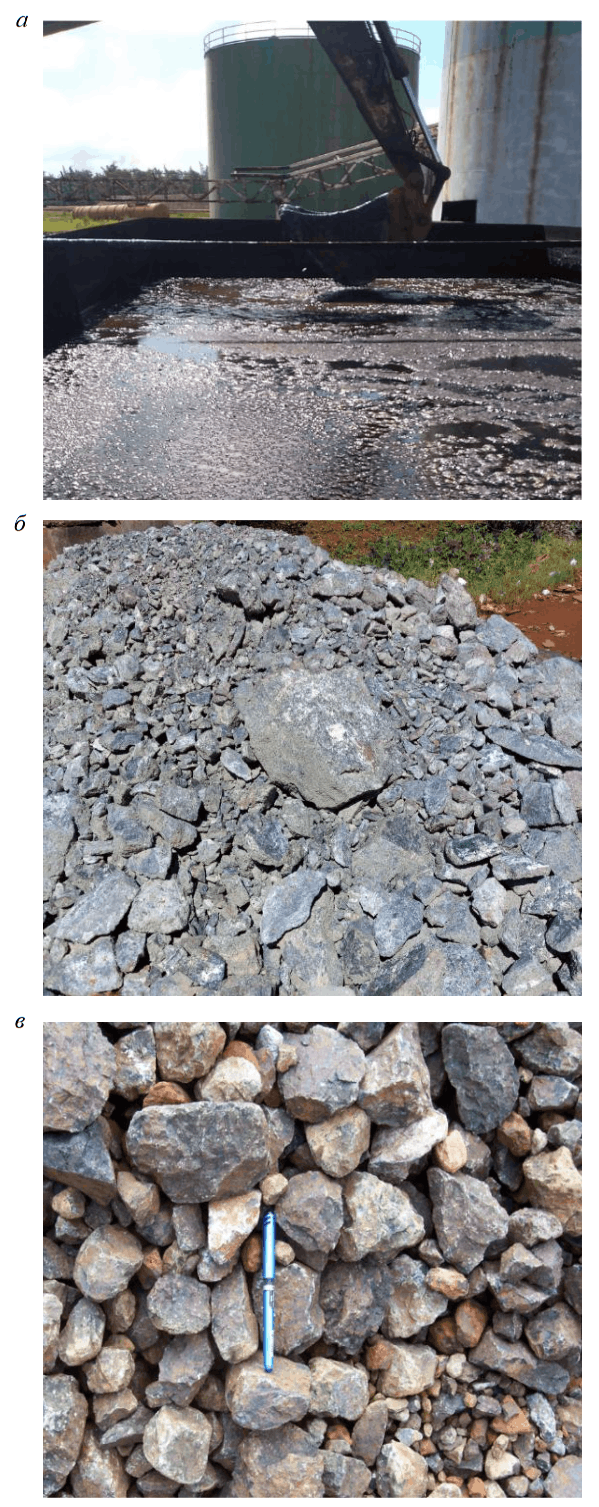
Рис.1. Материалы местного происхождения, используемые для изготовления: а – нефтяной шлам; б – серпентиниты; в – витрокластические туфы
Подготовка материалов и разработка смесей. Характеристика и обработка заполнителей
Исходные материалы (серпентиниты и витрокластические туфы) подвергались первичному дроблению в щековой дробилке с последующей гранулометрической классификацией путем ручного просеивания в соответствии с кубинским стандартом NC 178:2002. Для разделения фракций крупного, среднего и мелкого заполнителей использовались сита с отверстиями 4,76 мм (№ 4) и 2,36 мм. Гранулометрический анализ выполнялся с применением контролируемого бокового и вертикального движений, обеспечивая равномерное распределение частиц по набору сит. Для физической характеристики отобрали представительную пробу серпентинита массой 1500 г, из которой 1000 г приходилось на крупную фракцию (задержанную на сите 4,76 мм), а 500 г – на мелкую фракцию.
Дозирование экспериментальных асфальтовых смесей
Было разработано три типа холодного асфальтобетона при постоянной пропорции заполнителя и с варьированием содержания нефтяного шлама (8,0; 8,5 и 9,0 мас.%). Выбор содержания нефтяного шлама основан на предварительных испытаниях. Смеси с содержанием шлама ниже 8,0 % характеризовались неполным покрытием заполнителя и сниженной удобоукладываемостью, что вызывало низкую стабильность по Маршаллу (< 5,5 кН) и избыточное содержание пустот (> 14 %). Смеси с содержанием шлама выше 9,0 % демонстрировали стекание вяжущего в процессе уплотнения и снижение стабильности из-за смазочного эффекта. Выбранный диапазон охватывает ожидаемый оптимум (примерно 8,5 %), который был выявлен на основе литературных данных по холодным асфальтовым смесям с использованием альтернативных вяжущих [18, 19]. Такой подход позволил выявить четкую параболическую зависимость механических свойств. Максимальное содержание было ограничено 9,0 %, поскольку предварительные испытания при 9,5 % показали избыточное стекание вяжущего. Гранулометрический состав (45 % крупного заполнителя, задержанного на сите № 4 (фракция > 4,76 мм), 25 % среднего заполнителя (4,76-2,36 мм) и 25 % мелкого заполнителя (< 2,36 мм + 3 % наполнителя) подобраны для достижения плотной гранулометрии, близкой к кривой максимальной плотности Фуллера – Томпсона, как рекомендовано для холодных асфальтовых смесей, используемых при обслуживании дорог (NC 759:2010). Эта пропорция также ограничена фактическим распределением частиц по размерам, характерным для местных серпентинитов и витрокластических туфов, что гарантирует возможность приготовления смеси без дополнительного просеивания или импорта заполнителей. Выбранная гранулометрия успешно применялась в предыдущих исследованиях холодного асфальтобетона с альтернативными вяжущими [5]. Дозировка компонентов (серпентинит, туфы и нефтяной шлам) в зависимости от фракции, %: грубая (> 4,76 мм) – 45; средняя (4,76-2,36 мм) – 25; мелкая + дополнительный наполнитель (< 2,36 мм) – 25; нефтяной шлам – 8; 8,5; 9; наполнитель – 3.
Изготовление образцов
При приготовлении образцов асфальтобетона предварительно рассчитывалась дозировка компонентов для достижения необходимой гранулометрии. Каждая фракция заполнителя после сушки и охлаждения до комнатной температуры помещалась отдельно в лотки. Для каждого содержания шлама изготовили по восемь образцов – всего 24 экспериментальных образца. На каждый образец требовалось примерно 1200-1300 г заполнителя; в общей сложности использовались около 9,6 кг сухой смеси заполнителей.
Процедуры смешивания, уплотнения и отверждения
Подготовка выполнялась следующим образом. Заполнитель высушивался и гомогенизировался в соответствующих фракциях. Нефтяной шлам нагревался до 60 °C на нагревательной плите при постоянном перемешивании для снижения вязкости и лучшего смешивания [20]. Затем заполнитель вручную смешивался со шламом до получения однородного покрытия вяжущего на поверхности частиц. Уплотнение выполнялось по методу Маршалла: наносилось по 50 ударов с каждой стороны цилиндрической формы диаметром 101,6 мм. Целью уплотнения являлось моделирование условия движения с низкой интенсивностью [21, 22]. Наконец, образцы оставлялись для отверждения при комнатной температуре на 45 дней – этот период считается критическим для набора прочности в холодном асфальтобетоне (рис.2).
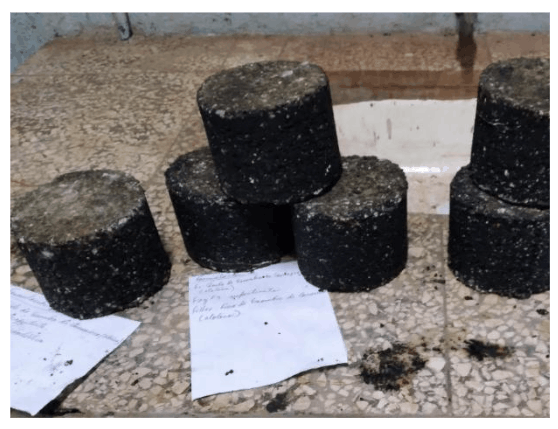
Рис.2. Образцы, полученные для испытаний
Технические требования к крупному и мелкому заполнителям
Крупный заполнитель (серпентинит) и мелкий заполнитель (смесь серпентинита и туфов) гранулометрически охарактеризованы в соответствии с NC 178:2002. Результаты, сведенные в табл.1, 2 и рис.3, показывают распределение частиц по размерам для обеих фракций. В случае крупного заполнителя отмечено, что большая часть материала сосредоточена во фракции от 9,52 до 4,76 мм. Зафиксированы отклонения в процентах остатка на ситах № 8 (2,38 мм) и № 16 (1,18 мм) относительно эталонных гранулометрических диапазонов. Для мелкого заполнителя распределение показало преобладание частиц в диапазоне от 2,38 до 1,18 мм. Гранулометрические кривые (рис.3) послужили основой для расчета пропорций при разработке состава асфальтобетонной смеси.
Таблица 1
Технические характеристики крупного заполнителя для асфальтовой смеси
|
Начальная сухая масса 1004,31 г |
Начальная сухая масса 1011,53 г |
Характеристики |
|||||||
|
Размер сита, мм |
Остаточная масса, г |
Частичное остаточное содержание, % |
Прохождение, % |
Остаточная масса, г |
Частичное остаточное содержание, % |
Прохождение, % |
Среднее прохождение, % |
Min |
Max |
|
3/4" (19,0) |
0,00 |
0,00 |
100 |
0,00 |
0,0 |
100 |
100 |
100 |
100 |
|
1/2" (12,5) |
11,31 |
1,13 |
99 |
9,11 |
0,9 |
99 |
99 |
100 |
100 |
|
3/8" (9,5) |
63,35 |
6,31 |
93 |
39,55 |
3,9 |
95 |
94 |
90 |
100 |
|
№ 4 (4,75) |
714,33 |
71,13 |
21 |
681,52 |
67,4 |
28 |
25 |
20 |
55 |
|
№ 8 (2,36) |
210,17 |
20,93 |
1 |
275,34 |
27,2 |
1 |
1 |
5 |
30 |
|
№ 16 (1,18) |
0,92 |
0,09 |
0 |
3,11 |
0,3 |
0 |
0 |
0 |
10 |
|
Подситовый остаток |
0,28 |
– |
– |
0,59 |
0,1 |
– |
– |
– |
– |
Таблица 2
Технические характеристики мелкого заполнителя для асфальтовой смеси
|
Начальная сухая масса 1004,31 г |
Начальная сухая масса 1011,53 г |
Характеристики |
|||||||
|
Размер сита, мм |
Остаточная масса, г |
Частичное остаточное содержание, % |
Прохождение, % |
Остаточная масса, г |
Частичное остаточное содержание, % |
Прохождение, % |
Среднее прохождение, % |
Min |
Max |
|
№ 8 (2,36) |
52,0 |
10,2 |
90 |
49,0 |
9,4 |
91 |
90 |
65 |
100 |
|
№ 16 (1,18) |
130,0 |
25,4 |
64 |
1320, |
25,4 |
65 |
65 |
40 |
80 |
|
№ 30 (0,60) |
117,0 |
22,9 |
41 |
119,0 |
22,9 |
42 |
42 |
20 |
65 |
|
№ 50 (0,30) |
96,0 |
18,8 |
23 |
99,0 |
19,0 |
23 |
23 |
7 |
40 |
|
№ 100 (0,30) |
51,0 |
10,0 |
13 |
49,0 |
9,4 |
14 |
13 |
0 |
20 |
|
№ 200 (0,074) |
26,0 |
5,1 |
8 |
32,0 |
6,2 |
4 |
6 |
0 |
10 |
|
Подситовый остаток |
39,0 |
– |
– |
42,0 |
8,1 |
– |
– |
– |
– |
Определение объемной плотности
Объемная плотность уплотненных образцов определялась при комнатной температуре методом парафинирования в соответствии с установленными процедурами для асфальтовых смесей [23]. Сначала каждый образец покрывался равномерным слоем расплавленного парафина (при температуре 58 °C), чтобы закупорить поверхностные поры и предотвратить проникновение воды. После охлаждения продолжительностью 30 мин фиксировалась масса гидроизолированного образца. Затем с помощью гидростатических весов определялась масса образца в погруженном состоянии в дистиллированной воде. Объемная плотность рассчитывалась по формуле
где A – масса сухого образца в воздухе, г; D – масса образца, покрытого парафином, в воздухе, г; E – масса образца, покрытого парафином, в воде, г; δ – плотность воды при комнатной температуре (994,3 кг/м3 при 30 °C, согласно NC 181:2002); F – плотность парафина, F = 1,12 г/см3.
Эта процедура позволила получить достоверные значения плотности, необходимые для анализа содержания пустот и оценки степени уплотнения, достигнутой в разработанных смесях [24].
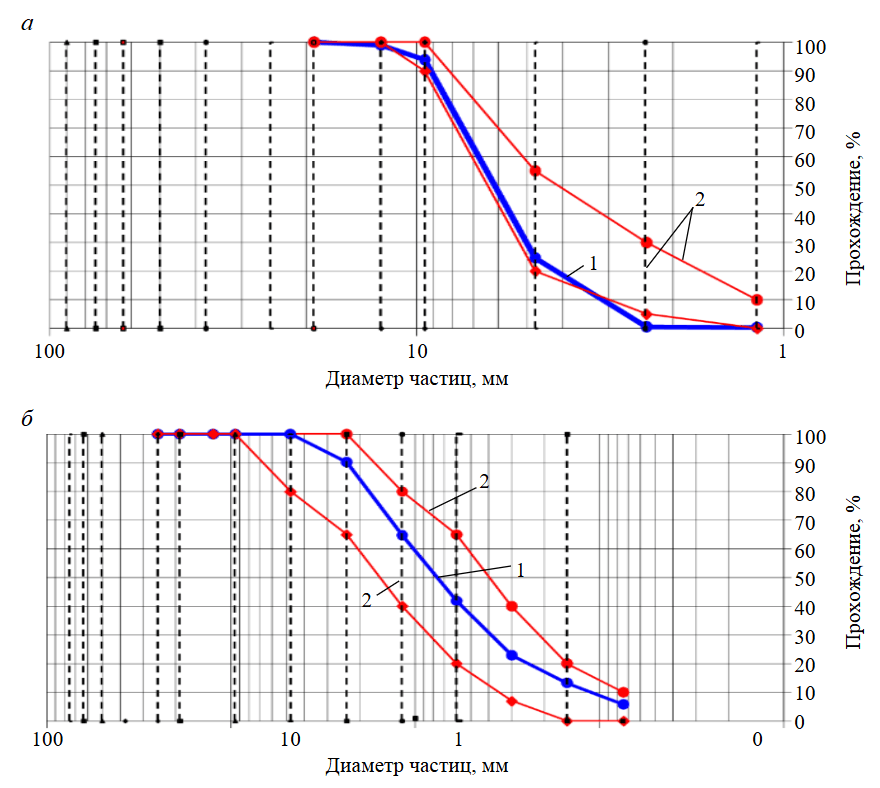
Рис.3. Гранулометрические составы, полученные для крупного (а) и мелкого (б) заполнителей
1 – кривые гранулометрического состава просеянного материала; 2 – пределы гранулометрии, установленные стандартом NC 759:2010
Определение стабильности и деформации по методу Маршалла
Испытание на стабильность и деформацию проводилось в соответствии с кубинским стандартом NC‑261:2005 при помощи пресса Маршалла. Перед испытанием образцы кондиционировались путем погружения в водяную баню при температуре 60±5 °C на 20-30 мин. Сразу после этого поверхность образцов высушивалась и они помещались в оборудование с чистыми и смазанными захватами для разрушения в целях обеспечения свободного перемещения. Нагрузка прикладывалась с постоянной скоростью 50,8 мм/мин сбоку до разрушения образца. В ходе испытания одновременно фиксировались максимальная нагрузка (стабильность) и соответствующая вертикальная деформация. Для обеспечения достоверности результатов вся процедура – от извлечения из водяной бани до завершения испытания – выполнялась в течение максимум 30 с.
Стабильность по методу Маршалла рассчитывалась по формуле
где Q – показание динамометрического кольца; Fc – поправочный коэффициент на высоту; k – постоянная кольца, кН/мм.
Полученные значения проходили контроль качества – отбрасывались имеющие отклонение более 10 % от среднего значения по группе, соответствующим образом пересчитывалось среднее. Это требование соответствовало протоколу Маршалла для обеспечения воспроизводимости данных.
Деформацию фиксировали в момент максимальной нагрузки, ее определяли как первый пик усилия, наблюдаемый на стрелочном индикаторе. Для минимизации влияния охлаждения вся процедура – от извлечения из водяной бани до завершения испытания – выполнялась в течение максимум 30 с, согласно стандартам [25, 26]. Был внедрен статистический контроль качества с учетом чувствительности результатов к колебаниям температуры и процессу уплотнения. Значения стабильности и деформации, полученные для образцов с одинаковой дозировкой, анализировались совместно, отбрасывались имеющие отклонение более 10 % от среднего значения по группе. В таких случаях среднее пересчитывалось на основе оставшихся значений, чтобы гарантировать надежность представленных данных.
Статистический контроль качества
Для каждой дозировки изготовили по восемь образцов (всего 24 образца). Образцы с отклонением более 10 % от среднего значения по группе отбраковывались. Было отклонено по одному образцу на каждую дозировку (всего три образца), среднее значение пересчитывалось на основе оставшихся семи образцов в каждой группе. Представленные значения включали стандартное отклонение.
Оценка экологических рисков применения готового асфальтобетона
Чтобы оценить потенциальную миграцию загрязняющих веществ, был проведен тест на выщелачивание по методу TCLP (EPA SW‑846) на измельченных образцах оптимальной смеси (8,5 % шлама) после 45 дней отверждения. Экстракт анализировался на общее содержание нефтяных углеводородов и тяжелых металлов (Ni, Pb, V). Результаты показали концентрации ниже допустимых пределов, установленных кубинским регламентом NC 93‑09:2019 для неопасных отходов, что подтверждает эффективное инкапсулирование загрязняющих веществ в асфальтовой матрице.
Результаты и обсуждение
Результаты испытаний, проведенных на образцах. Физико‑механические свойства смесей
В табл.3 приведены средние значения оцененных характеристик со стандартными отклонениями для смесей с содержанием шлама 8,0; 8,5 и 9,0 % после 45 дней отверждения. Наблюдается четкая нелинейная зависимость с оптимальной точкой при содержании вяжущего 8,5 %.
Таблица 3
Средние свойства асфальтовых смесей с различным содержанием шлама
|
Содержание шлама, % |
Средняя плотность, г/см3 |
Средняя стабильность, кН |
Средняя деформация, мм |
Пустоты в смеси, % |
Пустоты в заполнителях, % |
|
8 |
2,016 ± 0,011 |
6,48 ± 0,24 |
3,82 ± 0,18 |
12,05 |
27,75 |
|
8,5 |
2,038 ± 0,009 |
7,32 ± 0,21 |
3,38 ± 0,15 |
11,12 |
26,92 |
|
9 |
2,030 ± 0,012 |
7,08 ± 0,26 |
3,65 ± 0,20 |
11,48 |
27,08 |
Поведение асфальтовых смесей в зависимости от содержания нефтяного шлама представлено на рис.4, который объединяет пять графиков, отражающих корреляцию основных оцененных свойств – стабильности по Маршаллу, деформации, объемной плотности, пустот в смеси и пустот в заполнителе. Эти графики позволяют оценить взаимосвязи между различными параметрами и облегчают выявление оптимальной дозировки – точки, в которой одновременно максимизируются уплотнение и механическая прочность, минимизируются деформация и содержание пустот. Представленные данные соответствуют средним значениям, полученным для смесей с содержанием шлама 8,0; 8,5; 9,0 % после 45 дней отверждения (табл.3). Точки данных представляют средние значения, планки погрешностей указывают стандартное отклонение. Коэффициент вариации при оптимальном содержании шлама (8,5 %) указан на каждом графике.
Полученные результаты демонстрируют отличную внутреннюю согласованность и подтверждают основные законы разработки асфальтовых смесей:
- Соотношение плотности к пустоте в смеси. Наблюдается хорошая обратная зависимость. Точка максимальной плотности (2,038 г/см3 при 8,5 %) соответствует минимальному проценту пустот (11,12 %). Это указывает на то, что содержание шлама 8,5 % обеспечивает максимальное уплотнение смеси.
- Соотношение плотности к деформации. Деформация минимальна (3,38 мм) в точке максимальной плотности (8,5 %), поскольку более плотная структура с меньшим количеством пустот обладает большей жесткостью и устойчивостью к деформации под нагрузкой.
- Соотношение стабильности к содержанию шлама. Стабильность по Маршаллу имеет параболический характер с четким максимумом при 8,5 % (7,32 кН); при содержании шлама 8,0 % смесь демонстрирует более низкую когезию (6,48 кН); при 9,0 % избыток вяжущего оказывает смазочное действие на заполнители, снижая внутреннее трение и, следовательно, стабильность (7,08 кН). При этом снижение постепенное, что указывает на достаточно широкий оптимальный диапазон.
- Пустоты в заполнителях. Минимальное значение пустот в заполнителе также достигается при 8,5 % (26,92 %), тем самым подтверждается тезис о том, что в этой точке заполнители достигают максимальной компактности – пустоты между ними минимально заполнены вяжущим и воздухом.
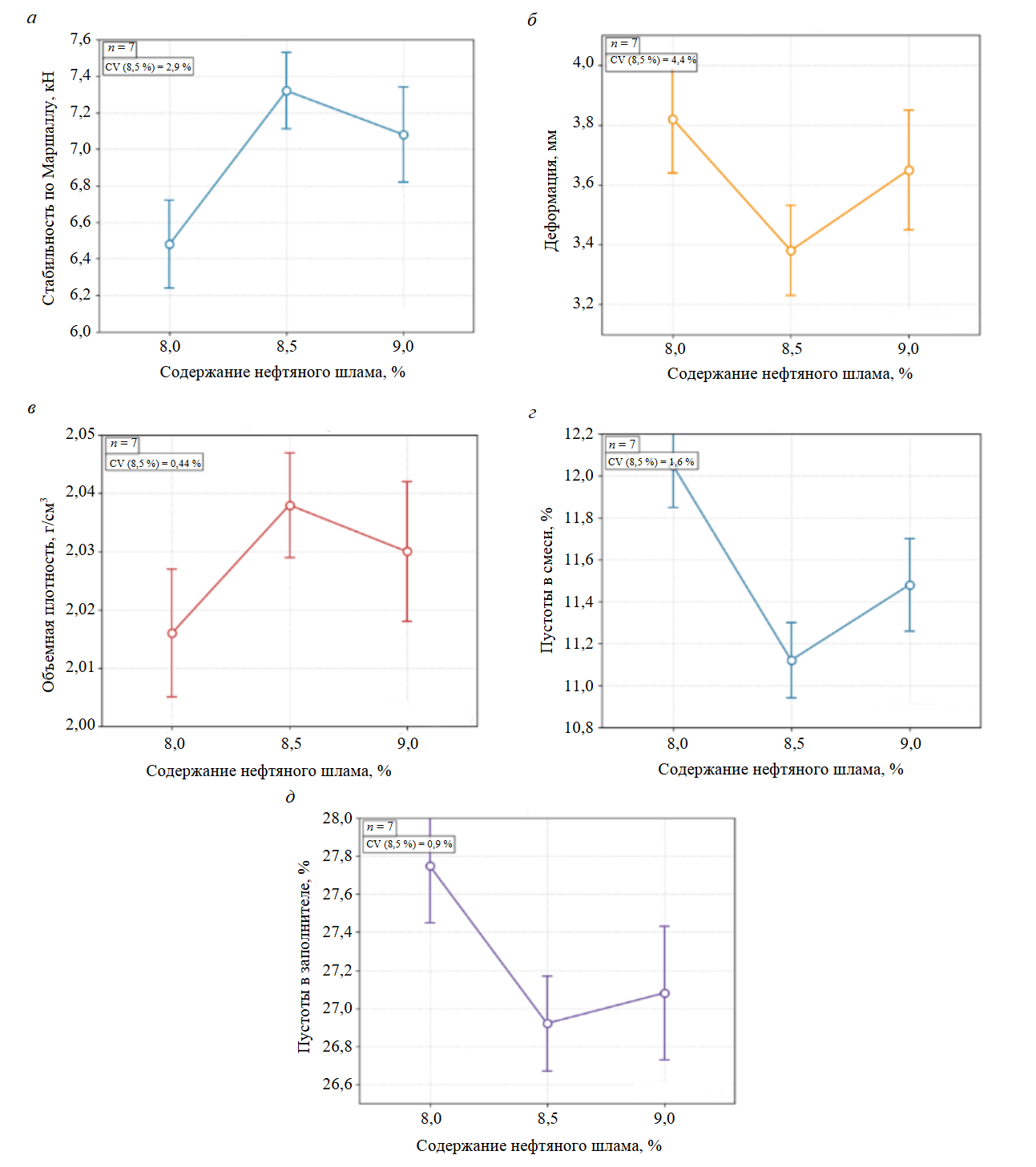
Рис.4. Влияние содержания нефтяного шлама на свойства холодного асфальтобетона после 45 дней отверждения (среднее значение ± стандартное отклонение): a – стабильность по Маршаллу; б – деформация; в – объемная плотность; г – пустоты в смеси; д – пустоты в минеральных заполнителях
n – количество образцов на каждую дозировку; CV – коэффициент вариации
Таблица 4
Требования к качеству холодного асфальтобетона
|
Тип |
Класс |
Устойчивость, кг |
Деформация, мм |
|
Плотный |
1 2 |
650 600 |
2-4 2-2,4 |
|
Полуплотный |
1 2 |
500 450 |
3-5 3-5,5 |
|
С открытой структурой пор |
1 2 |
450 400 |
3-5 3-3,55 |
Технические требования к холодному асфальтобетону, определенные кубинским стандартом NC 54‑18:1985, представлены в табл.4. Стандарт классифицирует смеси и устанавливает минимальные значения стабильности и допустимые диапазоны текучести для каждого класса.
Экспериментальные данные показывают заметную эволюцию свойств смеси в течение 45 дней отверждения. Наблюдается значительное увеличение стабильности по Маршаллу и объемной плотности образцов наряду со снижением измеренного значения текучести. Эта тенденция указывает на процесс набора прочности и постепенное уплотнение материала в условиях окружающей среды. Кроме того, экспериментальные данные демонстрируют влияние содержания нефтяного шлама и времени отверждения на физико‑механические свойства предлагаемого холодного асфальтобетона [17, 27]. Анализ смесей с содержанием вяжущего 8,0; 8,5; 9,0 % выявляет нелинейное поведение, соответствующее классическим принципам разработки асфальтовых смесей, что позволяет определить оптимальную дозировку.
Смесь с содержанием шлама 8,5 % оказалась наиболее сбалансированной. В этой точке были достигнуты максимальная объемная плотность (2,038 г/см3) и минимальный процент пустот в смеси (11,12 %), что указывает на наивысшую степень уплотнения минерального скелета. Такая плотная структура напрямую способствует более высокой механической прочности, о чем свидетельствует максимальная стабильность по Маршаллу (7,32 кН), и меньшей деформируемости (3,38 мм) за счет оптимизации внутреннего трения между заполнителями и когезии, обеспечиваемой вяжущим [28, 29]. Отклонения от этой оптимальной точки подтверждают данную интерпретацию. При содержании шлама 8,0 % смесь демонстрирует более низкую стабильность (6,48 кН) и большую деформацию (3,82 мм). Это указывает на недостаток вяжущего для надежного скрепления заполнителей, что приводит к более пористой и слабой структуре. При содержании шлама 9,0 % наблюдается небольшое снижение стабильности (7,08 кН) и увеличение деформации по сравнению с оптимальным значением. Это явление типично для избытка вяжущего – оно действует как смазка, разделяя заполнители и снижая внутреннее трение. При этом плавное снижение значений говорит об относительно широком допустимом диапазоне работы [30, 31].
Фактор времени оказался критически важной переменной в формировании свойств смеси [32]. Сравнение результатов испытаний, проведенных через 10 и 45 дней отверждения (рис.4), показывает существенную эволюцию. Низкая начальная стабильность (3,07 кН) указывает на то, что на ранних стадиях холодная смесь не обладает когезией, необходимой для выдерживания нагрузки, что объясняется медленным испарением более летучих фракций и процессом структурной адаптации шлама в качестве вяжущего. Через 45 дней средняя стабильность (7,15 кН) значительно превысила начальные значения, соответствуя требованиям стандарта NC 54-18:1985 для плотных смесей (минимальная стабильность 6,37 кН). Средняя деформация через 45 дней (3,3 мм) находится в нормативном диапазоне 2-4 мм, что подтверждает адекватное механическое поведение материала после отверждения [33, 34].
Оптимальные показатели при содержании шлама 8,5 % можно объяснить балансом между толщиной пленки вяжущего, адгезией и внутренним трением. При таком содержании средняя расчетная толщина асфальтовой пленки составляет примерно 8-10 мкм, что входит в идеальный диапазон для плотных асфальтовых смесей (7-12 мкм). Содержание асфальтенов (5,31 %) и смол (13,78 %) обеспечивает достаточную когезию после 45 дней отверждения, формируя стабильную трехмерную сеть. При содержании шлама 8,0 % толщина пленки недостаточна (< 7 мкм), что приводит к плохому покрытию заполнителей и снижению стабильности. При содержании шлама 9,0 % избыток вяжущего действует как смазка, снижая межчастичное трение и вызывая небольшое снижение стабильности (7,08 кН) и увеличение деформации (3,65 мм). Такое поведение соответствует параболической зависимости, типичной для оптимизации содержания вяжущего в технологии производства асфальта.
Таблица 5
Результаты испытаний на выщелачивание для оптимальной смеси (8,5 % шлама)
|
Параметр |
Концентрация в фильтрате, мг/л |
Допустимый уровень (NC 93-09:2019) |
|
Общее содержание нефтяных углеводородов |
8,2 |
100 |
|
Ni |
0,35 |
2,0 |
|
Pb |
< 0,05 |
5,0 |
|
V |
< 0,10 |
2,5 |
Результаты оценки экологического риска
Экологическая целесообразность создания предложенной смеси оценивалась с помощью двух взаимодополняющих подходов: химическое исследование сырого нефтяного шлама – для определения его класса опасности; тесты на выщелачивание отвержденной оптимальной смеси (8,5 % шлама) – для оценки потенциальной миграции загрязняющих веществ. Нефтяной шлам из порта Моа классифицирован как опасные отходы III класса (умеренно опасные), в соответствии с кубинским стандартом NC 452:2013. Эта классификация основана на следующих характеристиках: высокое содержание углеводородов – 26,51 % общих углеводородов, в том числе 13,37 % ароматических соединений, 13,78 % смол; присутствие тяжелых металлов (Ni, V, Pb); высокая вязкость – 5155 сСт при 50 °C. Объем накопленного шлама на портовых объектах составляет примерно 1200 м3. Это создает постоянную экологическую нагрузку – зафиксировано загрязнение окружающих почв и поверхностных водоемов. Прямая утилизация в котлованах и отстойниках – распространенная практика на многих объектах – представляет серьезную экологическую угрозу из-за потенциального выщелачивания токсичных соединений в грунтовые воды. Для оценки эффективности иммобилизации загрязняющих веществ асфальтовой матрицей был проведен тест на выщелачивание. Он был выполнен в соответствии с процедурой определения токсических характеристик выщелачивания (TCLP, метод 1311 EPA SW-846) на измельченных образцах оптимальной смеси (8,5 % шлама) после 45 дней отверждения. Фильтрат анализировали на общее содержание нефтяных углеводородов и тяжелые металлы (Ni, Pb, V). Результаты, сведенные в табл.5, подтверждают эффективное инкапсулирование загрязняющих веществ в асфальтовой матрице.
Полученные результаты показывают, что нефтяной шлам после включения в асфальтовую матрицу не является значимым источником загрязнения окружающей среды. Высокое содержание асфальтенов (5,31 %) и смол (13,78 %) в шламе способствует формированию стабильной, когезионной сети, которая физически и химически иммобилизует загрязняющие вещества. Наблюдаемые экологические преимущества сопоставимы с данными, представленными в литературе. Использование нефтяного шлама в качестве модификатора в асфальтовых покрытиях позволяет снизить энергозатраты на 20 % и сократить выбросы углерода на 15-39 % по сравнению с традиционным производством горячего асфальтобетона. Это указывает на положительные экологические и экономические последствия применения технологии. Исследования по повторному использованию загрязненных нефтью почв в горячих асфальтовых смесях показали, что выщелачивание тяжелых металлов и углеводородов остается в безопасных пределах при условии достижения надлежащей инкапсуляции [35].
Помимо экологических преимуществ утилизации отходов, предложенная технология напрямую способствует развитию безотходной экономики, замыкая материальный цикл для трех местных потоков отходов. Использование серпентинитовых отходов сокращает накопление горных отвалов, которые, по оценкам, составляют до 35-50 % от массы перерабатываемой породы. Применение нефтяного шлама предотвращает его неконтролируемую утилизацию, снижая риски загрязнения почв и водных объектов [36].
Оценка экономической целесообразности
С экономической точки зрения разработанный состав имеет значительные преимущества перед традиционными методами ремонта дорог на Кубе, которые опираются почти исключительно на импортный битум. Наличие импортного битума в стране зависит от высоких мировых цен (примерно 500-600 дол./т на условиях CIF), нестабильности глобальных цепочек поставок и дефицита иностранной валюты. Эти факторы серьезно ограничивают производственные мощности по выпуску асфальтовых смесей для ремонта дорог, о чем свидетельствует сокращение бюджетов на ремонт дорожной инфраструктуры в восточных кубинских провинциях.
Напротив, три компонента предложенной смеси доступны на месте почти бесплатно. Нефтяной шлам представляет собой экологическую нагрузку, серпентинит – отходы горно-добывающей промышленности, а витрокластические туфы широко распространены в данной местности. Основные затраты связаны со сбором, транспортировкой, нагревом и подготовкой смеси. Предварительная экономическая оценка показывает, что использование переработанного нефтяного шлама в качестве вяжущего снижает материальные затраты примерно на 35 % по сравнению с импортным битумом: ориентировочная стоимость подготовленной смеси на основе шлама составляет 120-150 дол./т против 185-220 дол./т для традиционной холодной смеси с использованием импортного битума.
Эта разница в стоимости становится еще более выраженной, если учитывать сэкономленные средства на утилизацию шлама. Переработка нефтяного шлама может стоить примерно 144 дол./т, а затраты на утилизацию варьируются от 250 до 300 дол./т. Таким образом, предложенная технология не только сокращает затраты на сырье, но и решает проблему дорогостоящей утилизации отходов, превращая их в ценный ресурс для ремонта дорог. Что касается масштабов применения, то, исходя из потребностей в ремонте дорог в муниципалитете Моа (примерно 5000 м2 ямочного ремонта в год), предложенная технология может ежегодно использовать около 500 т нефтяного шлама. Этот объем существенно снизит экологическую нагрузку на портовые объекты, одновременно удовлетворяя локальные потребности в дорожном ремонте. Использование этой технологии может выйти за пределы Моа и распространиться на другие кубинские муниципалитеты с аналогичными проблемами образования отходов и ухудшения состояния дорог.
Полученные результаты подтверждают центральную гипотезу исследования – технически возможно производить холодный асфальтобетон, используя исключительно местные материалы и отходы. Серпентинит и витрокластические туфы эффективно выполняют роль каменного скелета, а нефтяной шлам после отверждения функционирует в качестве полноценного вяжущего. Высокая начальная вязкость шлама, выявленная в ходе исследований как ограничение, удовлетворительно компенсировалась нагревом до 60 °C в процессе смешивания и абсорбирующим действием туфов, что обеспечило надлежащую удобоукладываемость холодной смеси [37, 38].
Этот результат приобретает особую значимость для муниципалитета Моа, где горно-металлургическая деятельность генерирует огромный объем отходов. Валоризация этих отходов совместно с нефтяным шламом из порта соответствует принципам безотходной экономики. Предыдущие исследования уже продемонстрировали пригодность отходов горного производства из Моа и Никаро в качестве частичной замены заполнителей при производстве асфальтобетона – с удовлетворительным соответствием требуемым техническим параметрам. Настоящее исследование дополняет эти результаты включением третьего местного отхода (нефтяного шлама) в качестве вяжущего, замыкая более широкий цикл обращения материалов. Такой подход не только снижает воздействие отходов на окружающую среду, но и уменьшает зависимость от импорта материалов, обеспечивая ощутимую экономическую и экологическую выгоду для региона [39, 40].
Вывод
Физико-химические исследования подтвердили, что нефтяной шлам предприятия UEB Puerto Moa, несмотря на высокую вязкость (5155 сСт при 50 °C), обладает содержанием углеводородов (26,51 %) и асфальтенов (5,31 %), позволяющим рассматривать его в качестве потенциального вяжущего для асфальтовых смесей. Также было подтверждено, что серпентинит и витрокластические туфы из данного региона соответствуют гранулометрическим и физическим требованиям кубинских стандартов для использования в качестве крупного и мелкого заполнителя и наполнителя.
Определено, что оптимальная дозировка для холодного асфальтобетона составляет 8,5 % нефтяного шлама от общей массы смеси. Этот состав, включающий 45 % крупного, 25 % среднего и 25 % мелкого заполнителей (включая наполнитель), достиг наилучших показателей плотности и уплотнения, что позволило максимально реализовать механические свойства материала.
Экспериментальные результаты показали, что время отверждения является определяющим фактором в характеристиках смеси. Через 45 дней отверждения при комнатной температуре оптимальная смесь (8,5 % шлама) достигла стабильности по Маршаллу 7,32 кН и деформации 3,38 мм. Эти показатели соответствуют техническим требованиям, установленным в кубинском стандарте NC 54-18:1985 для плотных холодных асфальтовых смесей.
Экологическая целесообразность подтверждена тестами на выщелачивание (TCLP), которые продемонстрировали эффективное инкапсулирование загрязняющих веществ в асфальтовой матрице – все концентрации в фильтрате были ниже допустимых пределов кубинского регламента NC 93-09:2019. Предварительная экономическая оценка показывает, что предложенная технология может ежегодно использовать ~500 т нефтяного шлама в муниципалитете Моа (исходя из объема ямочного ремонта 5000 м2/год), обеспечивая снижение затрат на 35 % по сравнению с затратами на импортный битум – без учета сэкономленных средств на экологическую ответственность.
Производство холодного асфальтобетона для ямочного ремонта и содержания дорог в муниципалитете Моа с использованием нефтяного шлама, серпентинитов и витрокластических туфов технически и экологически целесообразно. Это решение не только предлагает устойчивую строительную альтернативу, снижающую зависимость от импортных материалов, но и способствует развитию безотходной экономики за счет утилизации промышленных отходов с высоким экологическим воздействием.
Рекомендации
Необходимо скорректировать дозировку для сокращения времени отверждения. Поскольку оптимальной смеси (8,5 % шлама) требуется 45 дней для достижения стандартной прочности, рекомендуется изучить возможность добавления ускорителей отверждения или эмульгаторов. Они будут способствовать испарению легких фракций вяжущего и позволят достичь набора прочности быстрее (за 15-20 дней), что ускорит ввод отремонтированных дорог в эксплуатацию.
Литература
- Asim N., Badiei M., Torkashvand M. et al. Wastes from the petroleum industries as sustainable resource materials in construction sectors: Opportunities, limitations, and directions // Journal of Cleaner Production. 2021. Vol. 284. № 125459. DOI: 10.1016/j.jclepro.2020.125459
- Литвинова Т.Е., Сучков Д.В. Получение легкого золобетона как перспективное направление утилизации техногенных продуктов (на примере отходов водоотведения) // Записки Горного института. 2023. Т. 264. С. 906-918.
- Пашкевич М.А., Куликова Ю.А. Литификация доменным шлаком фильтрата полигонов ТКО // Записки Горного института. 2024. Т. 267. С. 477-487.
- Gorbaev A.V., Gorlenko N.V., Timofeeva S.S. Use of oil sludge as a combustible additive for the production of bricks // IOP Conference Series: Materials Science and Engineering. 2020. Vol. 962. № 042031. DOI: 10.1088/1757-899X/962/4/042031
- Benlamoudi A., Abdul Kadir A., Khodja M., Nuruddin M.F. Analysis of the cement clinker produced with incorporation of petroleum sludge // IOP Conference Series: Journal of Physics. 2018. № 995. № 012070. 6 p. DOI: 10.1088/1742-6596/995/1/012070
- Герасимов А.М., Устинов И.Д., Зырянова О.В. Использование глиносодержащих отходов в качестве пуццолановых добавок // Записки Горного института. 2023. Т. 260. С. 313-320. DOI: 10.31897/PMI.2023.33
- Cañete-Pérez C.C., Linares-Cala E., García-Delgado D.E. et al. Caracterización y clasificación de algunos residuales petrolizados para su posible utilización y aprovechamiento económico // X Congreso Cubano de Geología (Geología, 2013). Geología Ambiental., La Habana, 1 al 5 de abril de 2013. URL: http://www.redciencia.cu/geobiblio/paper/2013_Canete_Perez_GEO6-P15.pdf (дата обращения 18.11.2025).
- Lara Negronis I.A. Evaluación de los residuos sólidos de la Empresa Comandante Pedro Sotto Alba para ser empleadas en la elaboración de mezclas asfálticas: Trabajo de Diploma. Universidad de Moa: Departamento de Minería, 2018. 56 p. URL: https://ninive.ismm.edu.cu/handle/123456789/1993 (дата обращения 18.11.2025).
- Cala A., Caro S., Lleras M., Rojas-Agramonte Y. Impact of the chemical composition of aggregates on the adhesion quality and durability of asphalt-aggregate systems // Construction and Building Materials. 2019. Vol. 216. P. 661-672. DOI: 10.1016/j.conbuildmat.2019.05.030
- Mohd Pauzi N.N., Ahmad Shah M.S. A Review on the Treatment of Petroleum Sludge and Use as Construction Materials // Civil and Sustainable Urban Engineering. 2022. Vol. 2. Iss. 1. P. 12-20. DOI: 10.53623/csue.v2i1.74
- Strizhenok A.V., Korelskiy D.S., Choi Y. Assessment of the Efficiency of Using Organic Waste from the Brewing Industry for Bioremediation of Oil-Contaminated Soils // Journal of Ecological Engineering. 2021. Vol. 22. Iss. 4. P. 66-77. DOI: 10.12911/22998993/133966
- Хурмаматов А.М., Юсупова Н.К., Бердимбетов С.Б. и др. Использование отходов нефтяных шламов для производства легкого гранулированного материала – керамзита // Universum: технические науки. 2025. № 11-9 (140). С. 26-30. DOI: 10.32743/UniTech.2025.140.11.21137
- Terrero Aguirre I., Leyva Rodríguez C.A., Noa Monjes R.R. Serpentine waste from Moa Nickel S.A. company as stone powder substitute in hot asphalt mixes // Ciencia & Futuro. 2025. Vol. 15. № 4. P. 377-391.
- Pashkevich M.A., Petrova T.A. Technogenic Impact of Sulphide-Containing Wastes Produced by Ore Mining and Processing at the Ozernoe Deposit: Investigation and Forecast // Journal of Ecological Engineering. 2017. Vol. 18. Iss. 6. P. 127-133. DOI: 10.12911/22998993/76700
- Ricardo-Solis D. Perspectiva de empleo de las tobas vítreas como áridos ligeros, localidad de Flores. Municipio de Banes: Trabajo de Diploma. Universidad de Moa, 2019. 63 р. URL: https://ninive.ismm.edu.cu/handle/123456789/3810 (дата обращения 20.11.2025).
- Hassan F.S., Ismael M.Q. Marshall Properties and Rutting Resistance for Asphaltic Mixtures Modified by Nano-Montmorillonite // Journal of Engineering. 2025. Vol. 31. № 2. P. 19-33. DOI: 10.31026/j.eng.2025.02.02
- Hernández-Acosta L., Domínguez-Rodríguez V.I., Adams R.H., Jiménez-Zapata K.C. Remediation and re-use of weathered hydrocarbon residue for the preparation of dense asphaltic mixtures // International Journal of Environmental Science and Technology. 2023. Vol. 20. Iss. 8. P. 8433-8444. DOI: 10.1007/s13762-022-04515-y
- Petrova T.A., Rudzisha E., Alekseenko A.V. et al. Rehabilitation of Disturbed Lands with Industrial Wastewater Sludge // Minerals. 2022. Vol. 12. Iss. 3. № 376. DOI: 10.3390/min12030376
- Fedorova L.V., Tretyakova Z.O., Voronina M.V. Bitumen-polymer compositions for asphalt concrete // Journal of Physics: Conference Series. 2021. Vol. 1990. № 012009. DOI: 10.1088/1742-6596/1990/1/012009
- Bykova M.V., Alekseenko A.V., Pashkevich M.A., Drebenstedt C. Thermal desorption treatment of petroleum hydrocarbon-contaminated soils of tundra, taiga, and forest steppe landscapes // Environmental Geochemistry and Health. 2021. Vol. 43. Iss. 6. P. 2331-2346. DOI: 10.1007/s10653-020-00802-0
- Yu Song, Jianlin Feng, Shaopeng Wu et al. Effect of Marshall compaction parameters on the performance and internal structure of steel slag asphalt concrete // Journal of Cleaner Production. 2025. Vol. 517. № 145843. DOI: 10.1016/j.jclepro.2025.145843
- Hasan A.M.A., Kamal R.S., Farag R.K., Abdel-raouf M.E. Petroleum sludge formation and its treatment methodologies: a review // Environmental Science and Pollution Research. 2024. Vol. 31. Iss. 6. P. 8369-8386. DOI: 10.1007/s11356-023-31674-3
- Gardete D., Picado-Santos L., Capitão S., Luzia R. Asphalt mix design: Discussion on the bulk specific gravity procedure influence on the results obtained from empirical, volumetric, and performance-based methods // Construction and Building Materials. 2022. Vol. 342. Part B. № 127870. DOI: 10.1016/j.conbuildmat.2022.127870
- Yao Zhang, Hu Chen, Peng Xiao et al. Investigation of average asphalt film thickness of dense graded asphalt mixtures with compaction effects // Construction and Building Materials. 2022. Vol. 326. № 126696. DOI: 10.1016/j.conbuildmat.2022.126696
- Bojorque Iñeguez J., Flores C., V’ásquez M. Marshall parameters for quality control of hot mix asphalt after pavement construction // Journal of Construction. 2019. Vol. 18. № 1. P. 178-185. DOI: 10.7764/RDLC.18.1.178
- Abbas M., Zaumanis M. Methodology for Physics-Informed Neural Networks for materials test result prediction: Case study on the Marshall test for asphalt // Case Studies in Construction Materials. 2026. Vol. 24. № e05829. DOI: 10.1016/j.cscm.2026.e05829
- Kuiry M., Karati S., Roy T.K. Determination of Marshall parameters of bituminous mix by using non-destructive testing method // Materials Today: Proceedings. 2023. DOI: 10.1016/j.matpr.2023.03.575
- Satayeva S.S., Burakhta V.A., Urazova A.F. et al. Asphalt Concrete Production Technology Using Oil Sludge from Zhaik Munay LLP // Journal of Engineering and Technological Sciences. 2024. Vol. 56. № 1. P. 71-80. DOI: 10.5614/j.eng.technol.sci.2024.56.1.6
- Kumar R., Goli A., Gottumukkala B.V. et al. Influence of curing process on the moisture loss, mechanical and performance characteristics of cold recycled asphalt mixes // Road Materials and Pavement Design. 2024. Vol. 25. Iss. 2. P. 259-275. DOI: 10.1080/14680629.2023.2199884
- Bastidas-Martínez J.G., Rondón-Quintana H.A. Assessment of asphalt binder content, temperature and loading rate in indirect tensile strength and resilient modulus tests of a hot-mix asphalt – Comparison with Marshall design method // Construction and Building Materials. 2024. Vol. 426. № 136158. DOI: 10.1016/j.conbuildmat.2024.136158
- Upadhya A., Thakur M.S., Sharma N., Sihag P. Assessment of Soft Computing-Based Techniques for the Prediction of Marshall Stability of Asphalt Concrete Reinforced with Glass Fiber // International Journal of Pavement Research and Technology. 2022. Vol. 15. Iss. 6. P. 1366-1385. DOI: 10.1007/s42947-021-00094-2
- Bin Xu, Jingyun Chen, Changhong Zhou, Weiying Wang. Study on Marshall Design parameters of porous asphalt mixture using limestone as coarse aggregate // Construction and Building Materials. 2016. Vol. 124. P. 846-854. DOI: 10.1016/j.conbuildmat.2016.08.005
- Xueying Zhao, Baofu Ma. Measurement of the Promoting Effect of Complex Conditions on the Adhesion Development in Curing Process of Cold Recycling Mixture with Emulsified Asphalt // Advances in Civil Engineering. 2024. Vol. 2024. № 9683383. DOI: 10.1155/2024/9683383
- Wenting Yang, Jian Ouyang, Yan Meng et al. Effect of curing and compaction on volumetric and mechanical properties of cold-recycled mixture with asphalt emulsion under different cement contents // Construction and Building Materials. 2021. Vol. 297. № 123699. DOI: 10.1016/j.conbuildmat.2021.123699
- Dalhat M.A., Osman S.A., Mu’azu N.D., Alagha O. Utilization of oil sludge as rejuvenator in hot-mix-asphalt containing reclaimed asphalt concrete // Construction and Building Materials. 2022. Vol. 338. № 127483. DOI: 10.1016/j.conbuildmat.2022.127483
- Ferrotti G., Mancinelli E., Passerini G., Canestrari F. Comparison of energy and environmental performance between warm and hot mix asphalt concrete production: A case study // Construction and Building Materials. 2024. Vol. 418. № 135453. DOI: 10.1016/j.conbuildmat.2024.135453
- Abdulrahman S., Yaro N.S.A., Al-Osta M.A. et al. Harnessing Sludge-Derived Materials for Circular and Sustainable Asphalt Pavement Engineering: A Bibliometric, Systematic Review, and Strategic SWOT Analysis // Arabian Journal for Science and Engineering. 2026. Vol. 51. Iss. 1. P. 615-654. DOI: 10.1007/s13369-025-10994-1
- Satayeva S., Nazarova D., Satybayeva N. Development of technology for obtaining asphalt concrete mixture using oil sludge as an additive // E3S Web of Conferences. 2024. Vol. 474. № 01014. DOI: 10.1051/e3sconf/202447401014
- Medina García L., Betancourt S., Rodríguez E. et al. Use of mining wastes in asphalt concretes production // Revista Ingeniería de Construcción. 2023. Vol. 38. № 2. DOI: 10.7764/RIC.00071.21
- Memon A.M., Sutanto M.H., Memon Z.A. et al. Valorization of petroleum sludge as rejuvenator for recycled asphalt binder and mixture // Case Studies in Construction Materials. 2024. Vol. 20. № e03318. DOI: 10.1016/j.cscm.2024.e03318