

Sustainable cold asphalt concrete from petroleum sludge and endogenous mining wastes: a circular economy approach for road maintenance in Moa, Cuba
Abstract
The accumulation of petroleum sludge in port facilities constitutes a significant environmental liability due to its high viscosity and complex management. This study evaluates the technical feasibility of using this waste as the main binder in the formulation of a cold asphalt concrete, combining it with endogenous aggregates (serpentinites from nickel industry rejects and vitric tuffs) for road maintenance in Moa, Cuba. A physical-chemical characterization of the materials was carried out, and asphalt mixtures with sludge contents of 8.0; 8.5, and 9.0 % were designed. Twenty-four specimens were fabricated using Marshall compaction, and their properties (density, stability, and deformation) were evaluated according to Cuban standards. After applying statistical quality control (rejection of specimens with > 10 % deviation), the experimental results demonstrated that curing time is a determining factor. After 45 days of curing at room temperature, the optimal mixture (8.5 % sludge) developed a Marshall stability of 7.32±0.21 kN and a deformation of 3.38±0.15 mm, satisfactorily complying with the quality indices of Cuban standard NC 54-18:1985 for dense mixtures. Environmental leaching tests confirmed the encapsulation of contaminants. This approach offers a sustainable technical solution for road infrastructure and contributes to the circular economy through the valorisation of industrial waste.
None
Introduction
The accumulation of petroleum sludge at the facilities of the Port of Moa represents an environmental liability that is difficult to manage due to its high viscosity and complex handling, an estimated 1200 m3 of petroleum sludge has accumulated, classified as class III hazardous waste due to its hydrocarbon and heavy metal content. The municipality of Moa faces a progressive deterioration of its road infrastructure, aggravated by the scarcity of asphalt and the remoteness of production centres. In this context, the need arises to develop sustainable construction solutions that utilize local resources and contribute to waste management [1-3].
Asphalt concrete is one of the most widely used materials in road construction, being widely recognized for its durability and resistance. Its composition is based on the mixture of stone aggregates, asphalt binders, and additive materials, and its correct formulation is crucial to guarantee the quality and resistance of the pavement. Petroleum sludge is waste generated from the cleaning of fuel storage tanks. Its high viscosity makes it difficult to treat as an alternative fuel despite its high calorific value, and its disposal represents an environmental challenge [4-6]. The use of this sludge in the production of asphalt concrete would reduce its environmental impact and give it a constructive use, preventing its deposition in landfills or its release into the environment.
Previous studies have separately explored the potential of materials such as serpentinite a waste from the nickel industry and vitric tuffs abundant in the region in construction applications. Their combined use with petroleum sludge for the formulation of cold asphalt concrete has not been investigated in the country. This proposal seeks to fill that gap, proposing a technically and environmentally viable alternative for pothole patching and road maintenance. Petroleum sludge, due to its physical-chemical characteristics, presents good prospects for use, mainly exploitable for low-traffic roads and highways. Serpentinites, derived from the metamorphism of ultramafic rocks, are suitable for use as construction aggregates due to their mechanical and chemical properties. Their availability in the Moa region could reduce dependence on the importation of other types of stone aggregates from other areas [7]. The idea arose in this context to use oil sludge from the Port of Moa facilities to produce cold-mix asphalt concrete by blending it with appropriately crushed serpentinite from the deposits of Comandante Pedro Soto Alba Moa Nickel S.A. and vitreous tuff as a filler material. Considered waste or byproducts of other industries, these materials can be efficiently used in the production of asphalt concrete, offering a dual benefit in terms of both sustainability and cost-effectiveness. The mixtures used revealed appropriate indicators for the manufacture of mortars with up to 6.10 MPa (flexural strength) and 14.2 MPa (compressive strength), as well as for the manufacture of concrete blocks with compressive strengths of up to 2.7 MPa. Serpentinite waste possesses very suitable characteristics and properties to be used as an aggregate with stone dust in asphalt mixtures [8, 9].
Petroleum sludge, considering its physical-chemical characteristics, represents a material with prospects for use in the construction and repair of roads and highways. The petroleum sludge extracted from the bottom of storage tanks is an environmental problem for companies. Its disposal in pits and lagoons is an environmentally dangerous practice and also represents a loss of energy. Various techniques are used for their treatment, such as incineration, solidification, hydrocarbon extraction, and bioremediation; however, physical and chemical treatments are expensive. Due to its hydrocarbon content, tank bottom sludge is considered a waste that could be reused. In studies of petroleum waste at a refinery in Cuba, hydrocarbon concentrations were found to be between 29.1 and 51.9 %.
In the research [10], the treatment and disposal of petroleum sludge are analyzed. Correspondingly, it presents an analysis of techniques to treat petroleum waste effectively. The research proposes the use of techniques such as pyrolysis, solidification, and stabilization, which have been demonstrated to be potentially beneficial in protecting the environment from contaminants in petroleum sludge. The selection of suitable treatment methods must be made based on the chemical composition of the waste. One of the uses of petroleum sludge highlighted is in the production of base material for road construction as a partial replacement of asphalt binder, meeting the requirements of the standard specifications for asphalt [11].
In the research [12], the use of oil sludge from refineries combined with bentonite clay for the production of expanded clay aggregate is analyzed. The study determined that the optimal mixture contains 25 % oil sludge and 75 % bentonite clay, fired at 1000-1050 °C. The results show that incorporating oil sludge reduces energy consumption and improves the environmental efficiency of the production process for this construction material.
Serpentinites derived from the metamorphism of ultramafic rocks, are suitable for use as construction aggregates due to their mechanical and chemical properties. Their availability in the Moa region could reduce dependence on the importation of other types of stone aggregates from other areas. To replace stone dust in hot asphalt mixtures [13, 14], the use of solid mining waste from the Moa Nickel S.A. company as base aggregate in hot asphalt mixtures was evaluated. Using the Marshall method for mixture design determined that a composition with 60 % serpen-tinite waste was the most suitable. This waste possesses appropriate characteristics and properties to substitute stone dust in this type of mixture, although it is not suitable as a substitute for coarse aggregate.
According to the research [15], the tuffs from the Flores cooperative deposit in the municipality of Banes can be used as aggregates, substituting the coarse aggregate (3/8" granite) in the manufacture of hollow concrete blocks, and it demonstrates that the blocks produced comply with established standards and that their compressive strength is adequate. For this purpose, the chemical and mineralogical characterization of the tuffs was carried out, and their physical-mechanical properties were evaluated. Water absorption tests showed an increase compared to standards, which is common in porous materials.
This study aims to evaluate the technical feasibility of a cold asphalt concrete made from petroleum sludge from the Port of Moa, serpentinite, and vitric tuffs, determining the optimal binder content that maximizes the stability and durability of the mixture. Physical-chemical and mineralogical characterization of the raw materials were conducted for this purpose, mixtures with different sludge percentages (8.0; 8.5, and 9.0 %) were designed, and their Marshall properties (density, stability, and deformation), as well as void content, were evaluated in the laboratory, comparing the results with Cuban standard NC 54-18:1985. This approach not only allows for the valorisation of local industrial waste but also offers a sustainable construction alternative for road maintenance, reducing dependence on imported materials and contributing to the circular economy in the region [5, 16, 17].
Methods
The methodology of this research was structured in three main stages: characterization of raw materials, design and dosage of mixtures, and evaluation of mechanical properties. An experimental approach was followed with the support of descriptive, comparative, and quantitative methods, ensuring the reproducibility of the tests through Cuban (NC) and international (ASTM, AASHTO) standards. All tests were carried out in certified laboratories of the Nickel Research Center, the Comandante Pedro Soto Alba Moa Nickel S.A. company, and the University of Moa. Three locally sourced materials were used:
- petroleum sludge from the fuel tanks of the Port of Moa (Fig.1, a);
- serpentinites (this material corresponds to solid mining waste rejected from nickel processing operations, accumulated in stockpiles) (Fig.1, b);
- vitric tuffs from the El Picao locality, located on the Moa – Sagua de Tánamo highway, explored by the Geominera Oriente company for use as lightweight aggregates (Fig.1, c).
The characterization of the petroleum sludge was carried out in the laboratories of the Petroleum Research Center (CEINPET) in Havana. Results of the chemical analysis of the petroleum sludge, %: fats and oils – 43.4 (test method APHA 5520); total hydrocarbons – 26.51, saturates – 13.140, aromatics – 13.37, resins – 13.78, asphaltenes – 5.31 (test method EPA 3540C). Results of the physical-chemical analysis of the petroleum sludge: calorific value – 9946 kcal/kg (test method ASTM D4809-18); kinematic viscosity at 50 °C – 5155 cSt (test method ASTM D445-19); total ash – 7.46 % (test method ASTM D482-13); sediments in crude oil – 8.67 % (test method ASTM D4809-05). Analysis shows that in the petroleum sludge from the UEB Puerto Moa, fats and oils predominate, constituting 43.4 % of the material; the calorific value is high and comparable to that of heavy crude oils from the north Cuban oil belt. The viscosity is very high, which makes its handling and transportation difficult.
The petroleum sludge was classified according to Cuban standard NC 452:2013 as hazardous waste class III (moderately hazardous) due to its hydrocarbon content (26.51 %), presence of heavy metals (Ni, V, Pb), and high viscosity (5155 cSt at 50 °C). The accumulated volume at the Port of Moa facilities is approximately 1200 m3, generating a persistent environmental liability with soil and superficial water contamination.
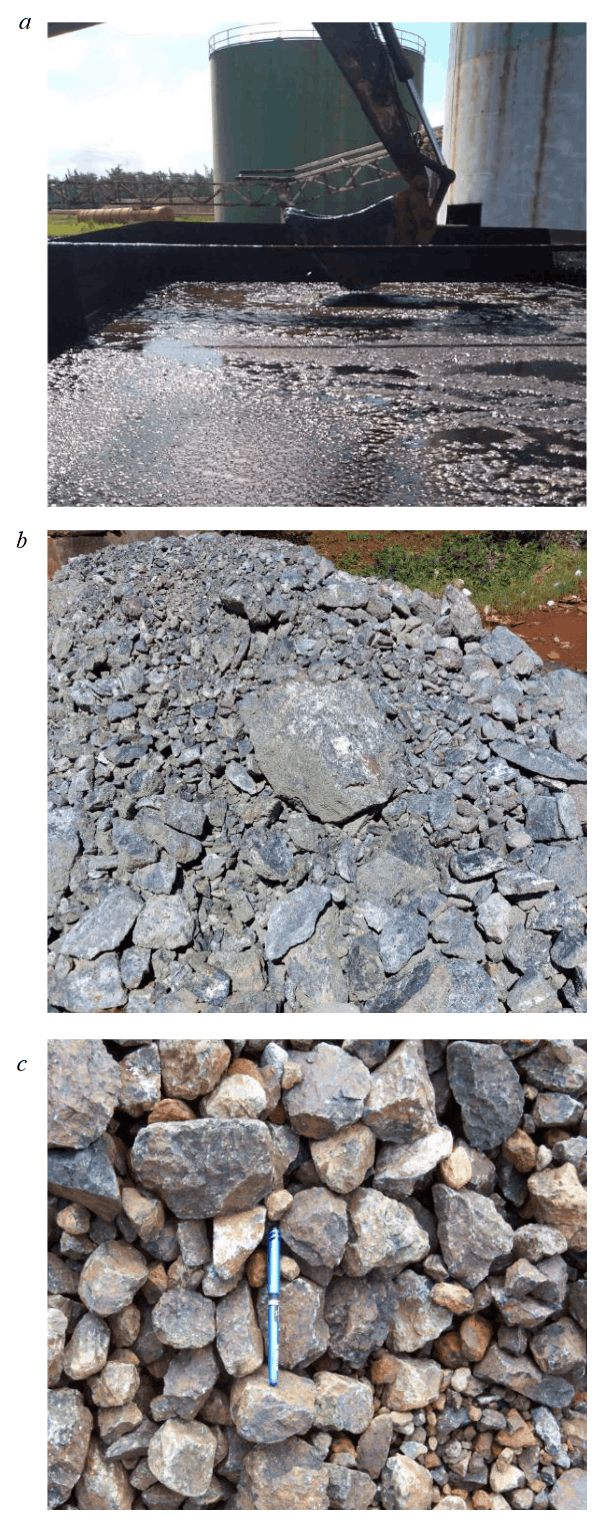
Fig.1. Locally produced materials used for the production of asphalt concrete: а – petroleum sludge; b – serpentinites; c – vitric tuffs
Material preparation and mixture design. Characterization and processing of aggregates
The raw materials (serpentinites and vitric tuffs) were subjected to a primary crushing process in a jaw crusher, followed by granulometric classification through manual sieving, in accordance with Cuban standard NC 178:2002. For the separation of coarse, medium, and fine aggregate fractions, sieves with openings of 4.76 mm (N 4) and 2.36 mm were used. The granulometric analysis was carried out by applying controlled lateral and vertical movement, ensuring the continuous distribution of particles over the sieve set. For physical characterization, a representative 1500 g sample of serpentinite was taken, of which 1000 g corresponded to the coarse fraction (retained on the 4.76 mm sieve) and 500 g to the fine fraction.
Dosage of experimental asphalt mixtures
Three types of cold asphalt mixture were designed, keeping the aggregate proportion constant and varying the petroleum sludge content (8.0; 8.5, and 9.0 wt.%). The selection of petroleum sludge contents was based on preliminary trials. Mixtures with sludge content below 8.0 % resulted in incomplete aggregate coating and poor workability, leading to low Marshall stability (< 5.5 kN) and excessive voids (> 14 %). Mixtures with sludge content above 9.0 % exhibited binder drainage during compaction and reduced stability due to lubrication effects. The chosen range brackets the expected optimum (approximately 8.5 %), which was identified from the literature on cold asphalt mixtures using alternative binders [18, 19]. This approach allowed the identification of a clear parabolic trend in mechanical properties. The maximum content was limited to 9.0 % because preliminary tests at 9.5 % showed excessive binder runoff. The granulometric composition (45 % coarse aggregate retained on N 4 sieve > 4.76 mm, 25 % medium aggregate between 4.76 and 2.36 mm, and 25 % fine aggregate < 2.36 mm + 3 % filler) was selected to achieve a dense gradation close to the Fuller – Thompson maximum density curve, as recommended for cold asphalt mixtures used in road maintenance (NC 759:2010). This proportion was also constrained by the actual particle size distributions of locally available serpentinite and vitric tuffs, ensuring that the mixture could be prepared without additional screening or importation of aggregates. The chosen gradation has been successfully employed in previous studies on cold asphalt concrete with alternative binders [5]. Dosage of components (serpentinite, tuffs, and petroleum sludge) depending on the fraction, %: coarse (> 4.76 mm) – 45; medium (4.76-2.36 mm) – 25; fines + extra filler (< 2.36 mm) – 25; petroleum sludge – 8; 8.5; 9; filler – 3.
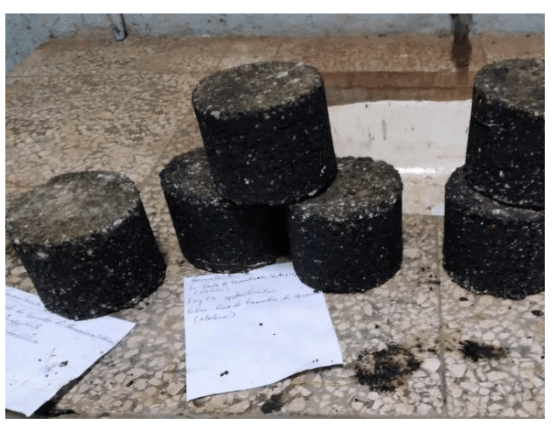
Fig.2. Resulting specimens for the tests
Fabrication of specimens
To prepare the asphalt concrete test specimens the dosage of the components was previously calculated to achieve the target granulometry. Each aggregate fraction was placed separately in trays, after drying and cooling to room temperature. For each sludge percentage, 8 specimens were prepared, totaling 24 experimental units, requiring approximately between 1200 and 1300 g of aggregates per unit and using around 9.6 kg of dry aggregate mixture in total.
Mixing, compaction, and curing procedure
The preparation procedure was carried out as follows: the aggregates were dried and homogenized in their respective fractions. The petroleum sludge was heated to 60 °C on a hot plate with constant stirring to reduce its viscosity and facilitate its incorporation into the mixture [20]. Subsequently, the aggregates were manually mixed with the sludge until a homogeneous coating of the binder on the particle surface was obtained. Compaction was performed according to the Marshall method, applying 50 blows per face in a cylindrical mold of 101.6 mm diameter, with the aim of simulating light traffic conditions [21, 22]. Finally, the specimens were left to cure at room temperature for 45 days, a period considered critical for strength development in cold-mix asphalt (Fig.2).
Specifications for coarse and fine aggregate
The coarse aggregate (serpentinite) and fine aggregate (mixture of serpentinite and tuffs) were granulometrically characterized according to NC 178:2002. The results, summarized in Tables 1, 2 and Fig.3, show the particle size distribution for both fractions. In the case of coarse aggregate, it was observed that most of the material is concentrated in the fraction from 9.52 to 4.76 mm. Deviations were recorded in the percentages retained on sieves N 8 (2.38 mm) and N 16 (1.18 mm) with respect to the reference granulometric bands. For the fine aggregate, the distribution showed a predominance of particles in the range of 2.38 to 1.18 mm. These granulometric curves (Fig.3) were used as the basis for calculating the proportions in the asphalt mixture design.
Table 1
Coarse aggregate specifications for asphalt mixture
|
Initial dry mass 1004.31 g |
Initial dry mass 1011.53 g |
Specification |
|||||||
|
Sieve inch, mm |
Retained mass, g |
Partial ret., % |
Passing, % |
Retained mass, g |
Partial ret., % |
Passing, % |
Average passing, % |
Min |
Max |
|
3/4" (19.0) |
0.00 |
0.00 |
100 |
0.00 |
0.0 |
100 |
100 |
100 |
100 |
|
1/2" (12.5) |
11.31 |
1.13 |
99 |
9.11 |
0.9 |
99 |
99 |
100 |
100 |
|
3/8" (9.5) |
63.35 |
6.31 |
93 |
39.55 |
3.9 |
95 |
94 |
90 |
100 |
|
N 4 (4.75) |
714.33 |
71.13 |
21 |
681.52 |
67.4 |
28 |
25 |
20 |
55 |
|
N 8 (2.36) |
210.17 |
20.93 |
1 |
275.34 |
27.2 |
1 |
1 |
5 |
30 |
|
N 16 (1.18) |
0.92 |
0.09 |
0 |
3.11 |
0.3 |
0 |
0 |
0 |
10 |
|
PAN |
0.28 |
– |
– |
0.59 |
0.1 |
– |
– |
– |
– |
Table 2
Fine aggregate specifications for asphalt mixture
|
Initial dry mass 1004.31 g |
Initial dry mass 1011.53 g |
Specification |
|||||||
|
Sieve inch, mm |
Retained mass, g |
Partial ret., % |
Passing, % |
Retained mass, g |
Partial ret., % |
Passing, % |
Average passing, % |
Min |
Max |
|
N 8 (2.36) |
52.0 |
10.2 |
90 |
49.0 |
9.4 |
91 |
90 |
65 |
100 |
|
N 16 (1.18) |
130.0 |
25.4 |
64 |
1320. |
25.4 |
65 |
65 |
40 |
80 |
|
N 30 (0.60) |
117.0 |
22.9 |
41 |
119.0 |
22.9 |
42 |
42 |
20 |
65 |
|
N 50 (0.30) |
96.0 |
18.8 |
23 |
99.0 |
19.0 |
23 |
23 |
7 |
40 |
|
N 100 (0.30) |
51.0 |
10.0 |
13 |
49.0 |
9.4 |
14 |
13 |
0 |
20 |
|
N 200 (0.074) |
26.0 |
5.1 |
8 |
32.0 |
6.2 |
4 |
6 |
0 |
10 |
|
PAN |
39.0 |
– |
– |
42.0 |
8.1 |
– |
– |
– |
– |
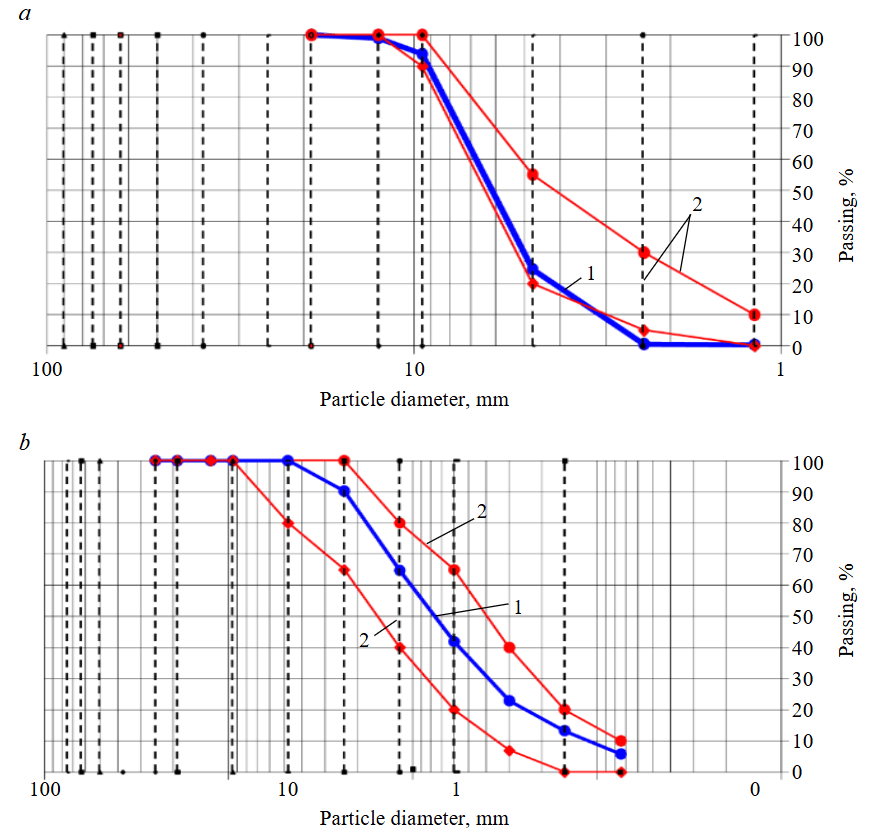
Fig.3. Grading obtained for the coarse (a) and fine (b) aggregates
1 – grading curve of the sieved material; 2 – grading limits established by standards NC 759:2010
Determination of bulk density
The bulk density of the compacted specimens was determined at room temperature using the paraffin method, in accordance with established procedures for asphalt mixtures [23]. Initially, each specimen was coated with a uniform layer of molten paraffin (at 58 °C) to seal surface pores and prevent water penetration. After a cooling period of 30 min, the mass of the waterproofed specimen was recorded. Subsequently, its submerged mass in distilled water was determined using a hydrostatic balance. The bulk density was calculated by applying formula
where A – mass of the dry specimen in air, g; D – mass of the paraffin-coated specimen in air, g; E – mass of the paraffin-coated specimen in water, g; δ – density of water at room temperature (994.3 kg/m3 at 30 °C, according to NC 181:2002); F – density of paraffin, F = 1.12 g/cm3.
This procedure allowed obtaining reliable density values, essential for void analysis and evaluation of the compaction achieved in the designed mixtures [24].
Determination of Marshall stability and deformation
The stability and deformation test was performed according to Cuban standard NC-261:2005, using a Marshall press. Prior to testing, the specimens were conditioned by immersion in a water bath at 60±5 °C for 20-30 min. Immediately after, their surface was dried and they were placed in the equipment, ensuring that the breaking jaws were clean and lubricated to allow free displacement. The load was applied laterally at a constant speed of 50.8 mm/min until specimen failure was reached. During the test, the maximum load (stability) and the corresponding vertical deformation were simultaneously recorded. To ensure validity of the results, the entire procedure from removal from the bath to completion of the test was completed within a maximum time of 30 s.
Marshall stability was calculated using formula
where Q – proving ring reading; Fc – height correction factor; k – ring constant, kN/mm.
The values obtained were subjected to quality control, discarding those that presented a deviation greater than 10 % from the group average and recalculating the mean accordingly, as required by the Marshall protocol to ensure data reproducibility.
Deformation was recorded at the moment of maximum load, identified as the first force peak observed on the dial gauge. To minimize the influence of cooling, the entire procedure, from removal from the water bath to completion of the test, was completed within a maximum time of 30 s, in accordance with standards [25, 26]. Statistical quality control was implemented, given the sensitivity of the results to temperature variations and the compaction process. The stability and deformation values obtained for specimens with identical dosage were analyzed together, discarding those that presented a deviation greater than 10 % from the group mean. In these cases, the average was recalculated with the remaining values to guarantee the reliability of the reported data.
Statistical quality control
For each dosage, eight specimens were fabricated (24 total). Specimens with a deviation greater than 10 % from the group average were discarded. One specimen per dosage was rejected (three in total), and the average was recalculated with the remaining seven specimens per group. The reported values include standard deviation.
Environmental risk assessment of the finished asphalt concrete
To evaluate the potential migration of contaminants, a leaching test was performed according to the TCLP method (EPA SW-846) on crushed samples of the optimal mixture (8.5 % sludge) after 45 days of curing. The leachate was analyzed for total petroleum hydrocarbons and heavy metals (Ni, Pb, V). Results showed concentrations below the permissible limits established by Cuban regulation NC 93-09:2019 for non-hazardous waste, confirming the effective encapsulation of contaminants in the asphalt matrix.
Results and discussion
Results of the tests performed on the specimens.Physical-mechanical properties of the mixtures
Table 3 summarizes the average values of the properties evaluated with standard deviations for mixtures with 8.0; 8.5, and 9.0 % sludge after 45 days of curing. A clear non-linear trend is observed, with an optimal point at 8.5 % binder.
Table 3
Average properties of asphalt mixtures with different sludge contents
|
Sludge content, % |
Average density, g/cm3 |
Average stability, kN |
Average deformation, mm |
Voids in mixture, % |
Voids in mineral aggregates, % |
|
8 |
2.016 ± 0.011 |
6.48 ± 0.24 |
3.82 ± 0.18 |
12.05 |
27.75 |
|
8.5 |
2.038 ± 0.009 |
7.32 ± 0.21 |
3.38 ± 0.15 |
11.12 |
26.92 |
|
9 |
2.030 ± 0.012 |
7.08 ± 0.26 |
3.65 ± 0.20 |
11.48 |
27.08 |
For the comprehensive visualization of the behavior of the asphalt mixtures as a function of petroleum sludge content, Fig.4 is presented, which integrates five graphs correlating the main properties evaluated: Marshall stability, deformation, bulk density, voids in the mixture, and voids in the aggregates. These graphs allow us to appreciate the relationships between the different para-meters, facilitating the identification of the optimal dosage point, where compaction and mechanical resistance are maximized, simultaneously minimizing deformation and void content. The data represented correspond to the average values obtained for the mixtures with 8.0; 8.5, and 9.0 % sludge after 45 days of curing (Table 3). Data points represent mean values, error bars indicate standard deviation. The coefficient of variation at the optimal sludge content 8.5 % is indicated in each panel.
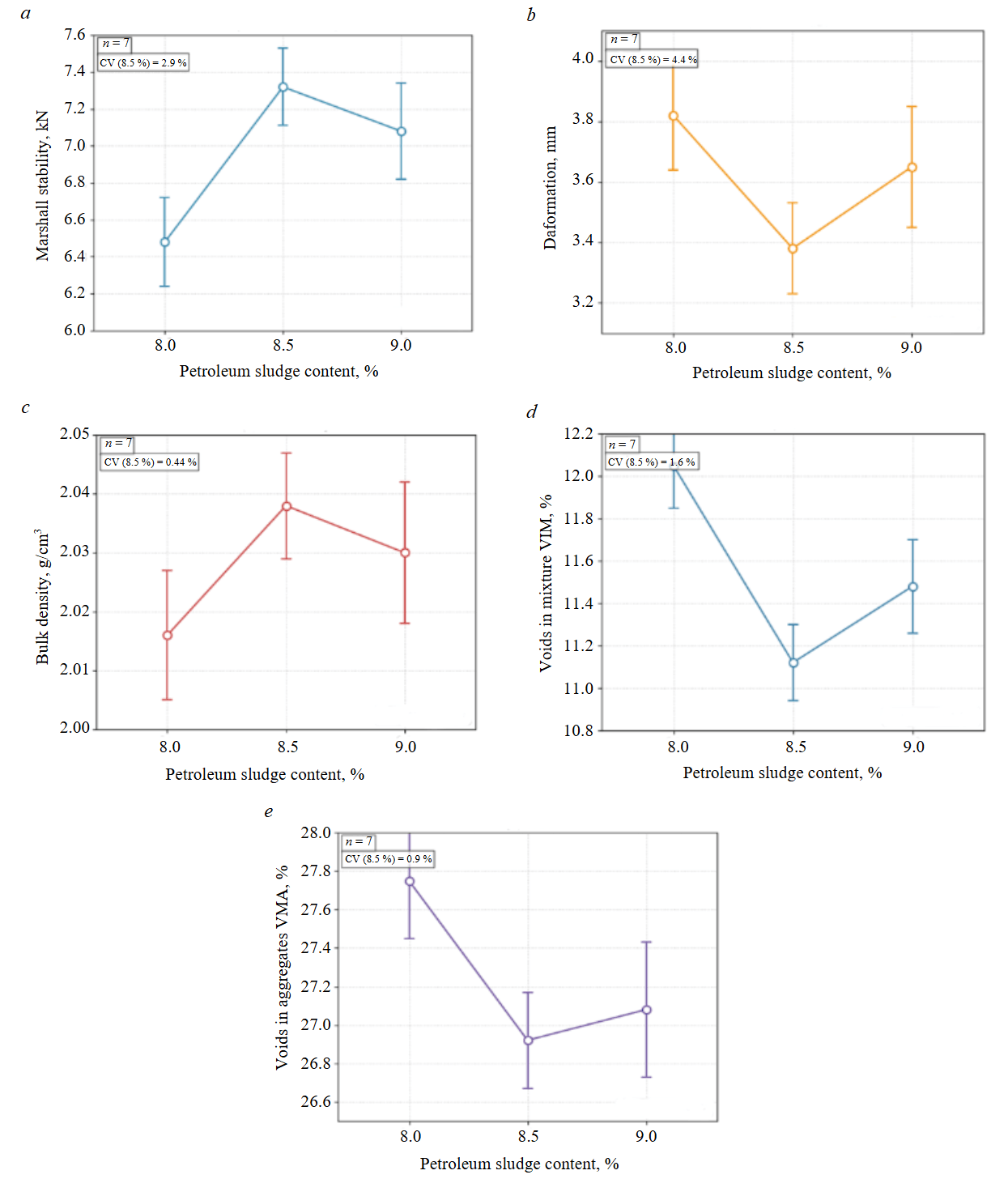
Fig.4. Effect of petroleum sludge content on the properties of cold asphalt concrete after 45 days of curing (mean ± SD): a – Marshall stability; b – deformation; c – bulk density; d – voids in mixture; e – voids in mineral aggregates
n – specimens per dosage; CV – coefficient of variation
The results obtained show excellent internal consistency, confirming the fundamental laws of asphalt mixture design:
- Density vs. voids in the mixture: a good inverse relationship is observed. The point of maximum density (2.038 g/cm3 at 8.5 %) corresponds to the minimum percentage of voids (11.12 %). This indicates that 8.5 % sludge allows for maximum compaction of the mixture.
- Density vs. deformation: deformation is minimal (3.38 mm) at the point of maximum density (8.5 %). This is because a denser structure with fewer voids offers greater rigidity and resistance to deformation under load.
- Stability vs. sludge content: marshall stability follows a parabolic trend with a clear maximum at 8.5 % (7.32 kN). With 8.0 % sludge, the mixture presents lower cohesion (6.48 kN). With 9.0 % sludge, the excess binder lubricates the aggregates, reducing internal friction and, therefore, stability (7.08 kN), although the decrease is gradual, suggesting a broad optimal range.
- Voids in aggregates: the minimum voids in mineral aggregates value also occurs at 8.5 % (26.92 %), confirming that at this point the aggregates reach their maximum compactness, with the voids between them minimally filled with binder and air voids.
The quality specifications for cold asphalt concrete, as defined by Cuban standard NC 54-18:1985, are presented in Table 4. The standard classifies mixtures and establishes minimum stabilities and acceptable flow ranges for each class.
The experimental data show a notable evolution of the mixture properties over the 45 days of curing. A significant increase is observed in the Marshall stability values and in the bulk density of the specimens, together with a reduction in the measured flow value. This trend indicates a process of gain of resistance and progressive consolidation of the material under environmental conditions. Also, the experimental data show the influence of petroleum sludge content and curing time on the physical-mechanical properties of the proposed cold asphalt concrete [17, 27]. The analysis of the mixtures with 8.0; 8.5, and 9.0 % binder reveals a non-linear behavior that conforms to the classical principles of asphalt mixture design, allowing the identification of an optimal dosage point.
The mixture with 8.5 % sludge proved to be the most balanced formulation. At this point, the maximum bulk density (2.038 g/cm3) and the minimum percentage of voids in the mixture (VIM = 11.12 %) were reached, indicating the highest degree of compaction of the mineral skeleton. This dense structure directly translates into greater mechanical resistance, evidenced by the maximum Marshall stability (7.32 kN), and into lower deformability (3.38 mm), by optimizing the internal friction between the aggregates and the cohesion provided by the binder [28, 29]. Deviations from this optimal point reinforce this interpretation. With 8.0 % sludge, the mixture presents lower stability (6.48 kN) and greater deformation (3.82 mm), suggesting a lack of binder to adequately cohere the aggregates, resulting in a more porous and weaker structure. Conversely, with 9.0 % sludge, a slight decrease in stability (7.08 kN) and an increase in deformation are observed compared to the optimum. This phenomenon is typical of binder excess, which acts as a lubricant, separating the aggregates and reducing internal friction, although the smooth decrease in values suggests a relatively tolerant working range [30, 31].
The time factor proved to be a critical variable in the development of the mixture’s properties [32]. The comparison between the tests carried out at 10 and 45 days of curing (Fig.4) shows a substantial evolution. The low initial stability (3.07 kN) indicates that, in its early stages, the cold mixture has not developed the necessary cohesion to withstand loads, which is attributed to the slow evaporation of the more volatile fractions and the structural accommodation process of the sludge as a binder. After 45 days the average stability (7.15 kN) not only far exceeds the initial values but also meets the requirements of standard NC 54-18:1985 for dense mixtures (minimum stability of 6.37 kN). The average deformation at 45 days (3.3 mm) is within the normative range of 2-4 mm, confirming that, once cured, the material presents adequate mechanical behavior [33, 34].
Table 4
Quality specifications for cold asphalt concrete
|
Type |
Classes |
Stability, kg |
Deformation, mm |
|
Dense |
1 2 |
650 600 |
2-4 2-2.4 |
|
Semi-dense |
1 2 |
500 450 |
3-5 3-5.5 |
|
Open |
1 2 |
450 400 |
3-5 3-3.55 |
The optimal performance at 8.5 % sludge can be explained by the balance between binder film thickness, adhesion, and internal friction. At this content, the calculated average asphalt film thickness is approximately 8-10 μm, which is within the ideal range for dense asphalt mixtures (7-12 μm). The asphaltene content (5.31 %) and resins (13.78 %) provide sufficient cohesion after 45 days of curing, forming a stable three-dimensional network. With 8.0 % sludge, the film thickness is insufficient (< 7 μm), leading to poor aggregate coating and lower stability. With 9.0 % sludge, the excess binder acts as a lubricant, reducing interparticle friction and causing a slight decrease in stability (7.08 kN) and increased deformation (3.65 mm). This behavior follows a parabolic trend typical of binder optimization in asphalt technology.
Table 5
Leaching test results for the optimal mixture (8.5 % sludge)
|
Parameter |
Leachate concentration, mg/l |
Permissible limit (NC 93-09:2019) |
|
Total petroleum hydrocarbons |
8.2 |
100 |
|
Ni |
0.35 |
2.0 |
|
Pb |
< 0.05 |
5.0 |
|
V |
< 0.10 |
2.5 |
Environmental risk assessment results
The environmental viability of the proposed mixture was assessed through two complementary approaches: chemical characterization of the raw petroleum sludge to determine its hazard classification, and leaching tests on the cured optimal mixture (8.5 % sludge) to evaluate the potential migration of contaminants. The petroleum sludge from the Port of Moa was classified as hazardous waste class III (moderately hazardous) according to Cuban standard NC 452:2013. This classification is based on its high hydrocarbon content (26.51 % total hydrocarbons, including 13.37 % aromatics and 13.78 % resins), the presence of heavy metals (Ni, V, Pb), and its high viscosity (5155 cSt at 50 °C). The accumulated volume at the port facilities is approximately 1200 m3, generating a persistent environmental liability with documented contamination of surrounding soils and superficial water bodies. Its direct disposal in pits and lagoons, a common practice at many facilities, represents a serious environmental threat due to the potential leaching of toxic compounds into groundwater. To evaluate whether the asphalt matrix effectively immobilizes contaminants, a leaching test was performed according to the Toxicity Characteristic Leaching Procedure (TCLP, EPA SW-846 Method 1311) on crushed samples of the optimal mixture (8.5 % sludge) after 45 days of curing. The leachate was analyzed for total petroleum hydrocarbons and heavy metals (Ni, Pb, V). The results, summarized in Table 5, confirm the effective encapsulation of contaminants in the asphalt matrix.
These results indicate that the petroleum sludge, once incorporated into the asphalt matrix, does not represent a significant source of environmental contamination. The high asphaltene content (5.31 %) and resins (13.78 %) of the sludge contribute to the formation of a stable, cohesive network that physically and chemically immobilizes the contaminants. The environmental benefits observed in this study are comparable to those reported in the literature. The use of petroleum sludge as a modifier in asphalt pavements has been shown to lower energy demand by 20 % and carbon emissions by 15-39 % compared to conventional hot-mix asphalt production, indicating positive environmental and economic implications. Studies on the reuse of petroleum-contaminated soils in hot asphalt mixtures have demonstrated that the leaching of heavy metals and hydrocarbons remains within safe limits, provided that proper encapsulation is achieved [35].
Beyond the immediate environmental benefits of waste valorization, the proposed technology contributes directly to the circular economy by closing the material loop for three local waste streams. The use of serpentinite waste reduces the accumulation of mining rejects, which are estimated to represent up to 35-50 % of the processed rock mass. Similarly, the utilization of petroleum sludge prevents its uncontrolled disposal, mitigating soil and water contamination risks [36].
Economic feasibility assessment
From an economic perspective, the formulation developed offers significant advantages over conventional road maintenance practices in Cuba, which rely almost exclusively on imported bitumen. The availability of imported bitumen in the country is subject to high international prices (approximately $500-600 per ton CIF), global supply chain volatility, and foreign currency scarcity. These factors severely constrain the production capacity of asphalt mixtures for road maintenance, as evidenced by the reduction in road infrastructure repair budgets in eastern Cuban provinces.
In contrast, the three components of the proposed mixture are locally available at near-zero cost. Petroleum sludge is an environmental liability, serpentinite is a rejected mining waste, and vitric tuffs are abundant local materials. The main costs involved are associated with collection, transportation, heating, and mixture processing. A preliminary economic estimation indicates that using processed petroleum sludge as a binder reduces material costs by approximately 35 % compared to imported bitumen, with an estimated cost of $120-150 per ton for the prepared sludge-based mixture versus $185-220 per ton for a conventional cold mix using imported bitumen.
This cost difference is even more pronounced when considering the avoided disposal costs of the sludge. The treatment of petroleum sludge can cost approximately $144 per ton, while disposal costs range from $250 to 300 per ton. Therefore, the proposed technology not only generates savings on the input side but also transforms a costly waste management problem into a valuable resource for road maintenance. Regarding the scale of application, based on the road maintenance demand in the municipality of Moa (approximately 5000 m2 of patching per year), the proposed technology could utilize an estimated 500 t of petroleum sludge annually. This volume would significantly reduce the environmental liability at the port facilities while meeting local road maintenance needs. The use of this technology could extend beyond Moa to other Cuban municipalities with similar waste generation and road deterioration problems.
These findings confirm the central hypothesis of the research: it is technically feasible to produce a cold asphalt concrete using exclusively endogenous and waste materials. Serpentinite and vitric tuffs act effectively as a stone skeleton, while petroleum sludge, after a curing period, functions as a competent binder. The high initial viscosity of the sludge, identified as a limitation in the characterization, was satisfactorily compensated by heating to 60 °C during mixing and the absorbent action of the tuffs, which allowed for proper workability of the cold mixture [37, 38].
This result acquires particular relevance in the context of the municipality of Moa, where mining-metallurgical activity generates a huge volume of waste. The valorization of this waste, together with the petroleum sludge from the port, aligns directly with the principles of the circular economy. Previous research had already demonstrated the suitability of mining waste from Moa and Nicaro as a partial substitute for aggregates in the production of asphalt concrete, satisfactorily meeting the required technical parameters. The study complements these findings by incorporating a third local waste (petroleum sludge) as a binder, closing a broader materials cycle. This approach not only mitigates the environmental impact of waste deposits but also reduces dependence on material imports, generating a tangible economic and environmental benefit for the region [39, 40].
Conclusion
The physical-chemical characterization confirmed that the petroleum sludge from UEB Puerto Moa, despite its high viscosity (5155 cSt at 50 °C), possesses a hydrocarbon content (26.51 %) and asphaltene content (5.31 %) that qualify it as a potential binder for asphalt mixtures. Likewise, it was validated that the serpentinite and vitric tuffs from the region meet the granulometric and physical requirements established in Cuban standards for use as coarse aggregates, fine aggregate, and filler.
It was determined that the optimal dosage for the cold asphalt concrete is 8.5 % petroleum sludge by total weight of the mixture. This formulation, composed of 45 % coarse aggregate, 25 % medium aggregate, and 25 % fine aggregate (including filler), achieved the best density and compaction values, maximizing the mechanical properties of the material.
The experimental results demonstrated that curing time is a determining factor in the mixture's performance. After 45 days of curing at room temperature, the optimal mixture (8.5 % sludge) developed a Marshall stability of 7.32 kN and a deformation of 3.38 mm, satisfactorily complying with the quality specifications established in Cuban standard NC 54-18:1985 for dense type cold asphalt mixtures.
Environmental viability was confirmed through leaching tests (TCLP), which demonstrated the effective encapsulation of contaminants in the asphalt matrix, with all leachate concentrations below the permissible limits of Cuban regulation NC 93-09:2019. A preliminary economic assessment indicates that the proposed technology could utilize ~500 t of petroleum sludge annually in the municipality of Moa (based on 5000 m2/year of road patching), achieving a 35 % cost reduction compared to imported bitumen, without considering the avoided environmental liability costs.
It is concluded that the production of a cold asphalt concrete intended for pothole patching and road maintenance work in the municipality of Moa, from the combination of petroleum sludge, serpentinites, and vitric tuffs, is technically and environmentally viable. This solution not only offers a sustainable construction alternative that reduces dependence on imported materials but also contributes to the circular economy through the valorization of high environmental impact industrial waste.
Recommendations
Adjust the dosage to reduce curing time: given that the optimal mixture (8.5 % sludge) requires 45 days to reach standard resistance, it is recommended to explore the incorporation of curing accelerators or emulsifiers that promote the evaporation of the light fractions of the binder and allow for faster strength gain (15-20 days). This would facilitate a more agile bringing into service of the repaired roads.
References
- Asim N., Badiei M., Torkashvand M. et al. Wastes from the petroleum industries as sustainable resource materials in construction sectors: Opportunities, limitations, and directions. Journal of Cleaner Production. 2021. Vol. 284. N 125459. DOI: 10.1016/j.jclepro.2020.125459
- Litvinova T.E., Suchkov D.V. Lightweight ash-based concrete production as a promising way of technogenic product utilization (on the example of sewage treatment waste). Journal of Mining Institute. 2023. Vol. 264, p. 906-918.
- Pashkevich M.A., Kulikova Yu.A. Lithification of leachate from municipal solid waste landfills with blast furnace slag. Journal of Mining Institute. 2024. Vol. 267, p. 477-487.
- Gorbaev A.V., Gorlenko N.V., Timofeeva S.S. Use of oil sludge as a combustible additive for the production of bricks. IOP Conference Series: Materials Science and Engineering. 2020. Vol. 962. N 042031. DOI: 10.1088/1757-899X/962/4/042031
- Benlamoudi A., Abdul Kadir A., Khodja M., Nuruddin M.F. Analysis of the cement clinker produced with incorporation of petroleum sludge. IOP Conference Series: Journal of Physics. 2018. N 995. N 012070, p. 6. DOI: 10.1088/1742-6596/995/1/012070
- Gerasimov A.M., Ustinov I.D., Zyryanova O.V. Use of clay-containing waste as pozzolanic additives. Journal of Mining Institute. 2023. Vol. 260, p. 313-320. DOI: 10.31897/PMI.2023.33
- Cañete-Pérez C.C., Linares-Cala E., García-Delgado D.E. et al. Caracterización y clasificación de algunos residuales petrolizados para su posible utilización y aprovechamiento económico. X Congreso Cubano de Geología (Geología, 2013). Geología Ambiental., La Habana, 1 al 5 de abril de 2013. URL: http://www.redciencia.cu/geobiblio/paper/2013_Canete_Perez_GEO6-P15.pdf (accessed 18.11.2025).
- Lara Negronis I.A. Evaluación de los residuos sólidos de la Empresa Comandante Pedro Sotto Alba para ser empleadas en la elaboración de mezclas asfálticas: Trabajo de Diploma. Universidad de Moa: Departamento de Minería, 2018, p. 56. URL: https://ninive.ismm.edu.cu/handle/123456789/1993 (accessed 18.11.2025).
- Cala A., Caro S., Lleras M., Rojas-Agramonte Y. Impact of the chemical composition of aggregates on the adhesion quality and durability of asphalt-aggregate systems. Construction and Building Materials. 2019. Vol. 216, p. 661-672. DOI: 10.1016/j.conbuildmat.2019.05.030
- Mohd Pauzi N.N., Ahmad Shah M.S. A Review on the Treatment of Petroleum Sludge and Use as Construction Materials. Civil and Sustainable Urban Engineering. 2022. Vol. 2. Iss. 1, p. 12-20. DOI: 10.53623/csue.v2i1.74
- Strizhenok A.V., Korelskiy D.S., Choi Y. Assessment of the Efficiency of Using Organic Waste from the Brewing Industry for Bioremediation of Oil-Contaminated Soils. Journal of Ecological Engineering. 2021. Vol. 22. Iss. 4, p. 66-77. DOI: 10.12911/22998993/133966
- Khurmamatov A.M., Yusupova N.K., Berdimbetov S.B. et al. Use of oil sludge waste for the production of lightweight granular material – expanded clay (keramzite). Universum: Technical sciences. 2025. N 11-9 (140), p. 26-30 (in Russian). DOI: 10.32743/UniTech.2025.140.11.21137
- Terrero Aguirre I., Leyva Rodríguez C.A., Noa Monjes R.R. Serpentine waste from Moa Nickel S.A. company as stone powder substitute in hot asphalt mixes. Ciencia & Futuro. 2025. Vol. 15. N 4, p. 377-391.
- Pashkevich M.A., Petrova T.A. Technogenic Impact of Sulphide-Containing Wastes Produced by Ore Mining and Processing at the Ozernoe Deposit: Investigation and Forecast. Journal of Ecological Engineering. 2017. Vol. 18. Iss. 6, p. 127-133. DOI: 10.12911/22998993/76700
- Ricardo-Solis D. Perspectiva de empleo de las tobas vítreas como áridos ligeros, localidad de Flores. Municipio de Banes: Trabajo de Diploma. Universidad de Moa, 2019, p. 63. URL: https://ninive.ismm.edu.cu/handle/123456789/3810 (accessed 20.11.2025).
- Hassan F.S., Ismael M.Q. Marshall Properties and Rutting Resistance for Asphaltic Mixtures Modified by Nano-Montmorillonite. Journal of Engineering. 2025. Vol. 31. N 2, p. 19-33. DOI: 10.31026/j.eng.2025.02.02
- Hernández-Acosta L., Domínguez-Rodríguez V.I., Adams R.H., Jiménez-Zapata K.C. Remediation and re-use of weathered hydrocarbon residue for the preparation of dense asphaltic mixtures. International Journal of Environmental Science and Technology. 2023. Vol. 20. Iss. 8, p. 8433-8444. DOI: 10.1007/s13762-022-04515-y
- Petrova T.A., Rudzisha E., Alekseenko A.V. et al. Rehabilitation of Disturbed Lands with Industrial Wastewater Sludge. Minerals. 2022. Vol. 12. Iss. 3. N 376. DOI: 10.3390/min12030376
- Fedorova L.V., Tretyakova Z.O., Voronina M.V. Bitumen-polymer compositions for asphalt concrete. Journal of Physics: Conference Series. 2021. Vol. 1990. N 012009. DOI: 10.1088/1742-6596/1990/1/012009
- Bykova M.V., Alekseenko A.V., Pashkevich M.A., Drebenstedt C. Thermal desorption treatment of petroleum hydrocarbon-contaminated soils of tundra, taiga, and forest steppe landscapes. Environmental Geochemistry and Health. 2021. Vol. 43. Iss. 6, p. 2331-2346. DOI: 10.1007/s10653-020-00802-0
- Yu Song, Jianlin Feng, Shaopeng Wu et al. Effect of Marshall compaction parameters on the performance and internal structure of steel slag asphalt concrete. Journal of Cleaner Production. 2025. Vol. 517. N 145843. DOI: 10.1016/j.jclepro.2025.145843
- Hasan A.M.A., Kamal R.S., Farag R.K., Abdel-raouf M.E. Petroleum sludge formation and its treatment methodologies: a review. Environmental Science and Pollution Research. 2024. Vol. 31. Iss. 6, p. 8369-8386. DOI: 10.1007/s11356-023-31674-3
- Gardete D., Picado-Santos L., Capitão S., Luzia R. Asphalt mix design: Discussion on the bulk specific gravity procedure influence on the results obtained from empirical, volumetric, and performance-based methods. Construction and Building Materials. 2022. Vol. 342. Part B. N 127870. DOI: 10.1016/j.conbuildmat.2022.127870
- Yao Zhang, Hu Chen, Peng Xiao et al. Investigation of average asphalt film thickness of dense graded asphalt mixtures with compaction effects. Construction and Building Materials. 2022. Vol. 326. N 126696. DOI: 10.1016/j.conbuildmat.2022.126696
- Bojorque Iñeguez J., Flores C., V’ásquez M. Marshall parameters for quality control of hot mix asphalt after pavement construction. Journal of Construction. 2019. Vol. 18. N 1, p. 178-185. DOI: 10.7764/RDLC.18.1.178
- Abbas M., Zaumanis M. Methodology for Physics-Informed Neural Networks for materials test result prediction: Case study on the Marshall test for asphalt. Case Studies in Construction Materials. 2026. Vol. 24. N e05829. DOI: 10.1016/j.cscm.2026.e05829
- Kuiry M., Karati S., Roy T.K. Determination of Marshall parameters of bituminous mix by using non-destructive testing method. Materials Today: Proceedings. 2023. DOI: 10.1016/j.matpr.2023.03.575
- Satayeva S.S., Burakhta V.A., Urazova A.F. et al. Asphalt Concrete Production Technology Using Oil Sludge from Zhaik Munay LLP. Journal of Engineering and Technological Sciences. 2024. Vol. 56. N 1, p. 71-80. DOI: 10.5614/j.eng.technol.sci.2024.56.1.6
- Kumar R., Goli A., Gottumukkala B.V. et al. Influence of curing process on the moisture loss, mechanical and performance characteristics of cold recycled asphalt mixes. Road Materials and Pavement Design. 2024. Vol. 25. Iss. 2, p. 259-275. DOI: 10.1080/14680629.2023.2199884
- Bastidas-Martínez J.G., Rondón-Quintana H.A. Assessment of asphalt binder content, temperature and loading rate in indirect tensile strength and resilient modulus tests of a hot-mix asphalt – Comparison with Marshall design method. Construction and Building Materials. 2024. Vol. 426. N 136158. DOI: 10.1016/j.conbuildmat.2024.136158
- Upadhya A., Thakur M.S., Sharma N., Sihag P. Assessment of Soft Computing-Based Techniques for the Prediction of Marshall Stability of Asphalt Concrete Reinforced with Glass Fiber. International Journal of Pavement Research and Technology. 2022. Vol. 15. Iss. 6, p. 1366-1385. DOI: 10.1007/s42947-021-00094-2
- Bin Xu, Jingyun Chen, Changhong Zhou, Weiying Wang. Study on Marshall Design parameters of porous asphalt mixture using limestone as coarse aggregate. Construction and Building Materials. 2016. Vol. 124, p. 846-854. DOI: 10.1016/j.conbuildmat.2016.08.005
- Xueying Zhao, Baofu Ma. Measurement of the Promoting Effect of Complex Conditions on the Adhesion Development in Curing Process of Cold Recycling Mixture with Emulsified Asphalt. Advances in Civil Engineering. 2024. Vol. 2024. N 9683383. DOI: 10.1155/2024/9683383
- Wenting Yang, Jian Ouyang, Yan Meng et al. Effect of curing and compaction on volumetric and mechanical properties of cold-recycled mixture with asphalt emulsion under different cement contents. Construction and Building Materials. 2021. Vol. 297. N 123699. DOI: 10.1016/j.conbuildmat.2021.123699
- Dalhat M.A., Osman S.A., Mu’azu N.D., Alagha O. Utilization of oil sludge as rejuvenator in hot-mix-asphalt containing reclaimed asphalt concrete. Construction and Building Materials. 2022. Vol. 338. N 127483. DOI: 10.1016/j.conbuildmat.2022.127483
- Ferrotti G., Mancinelli E., Passerini G., Canestrari F. Comparison of energy and environmental performance between warm and hot mix asphalt concrete production: A case study. Construction and Building Materials. 2024. Vol. 418. N 135453. DOI: 10.1016/j.conbuildmat.2024.135453
- Abdulrahman S., Yaro N.S.A., Al-Osta M.A. et al. Harnessing Sludge-Derived Materials for Circular and Sustainable Asphalt Pavement Engineering: A Bibliometric, Systematic Review, and Strategic SWOT Analysis. Arabian Journal for Science and Engineering. 2026. Vol. 51. Iss. 1, p. 615-654. DOI: 10.1007/s13369-025-10994-1
- Satayeva S., Nazarova D., Satybayeva N. Development of technology for obtaining asphalt concrete mixture using oil sludge as an additive. E3S Web of Conferences. 2024. Vol. 474. N 01014. DOI: 10.1051/e3sconf/202447401014
- Medina García L., Betancourt S., Rodríguez E. et al. Use of mining wastes in asphalt concretes production. Revista Ingeniería de Construcción. 2023. Vol. 38. N 2. DOI: 10.7764/RIC.00071.21
- Memon A.M., Sutanto M.H., Memon Z.A. et al. Valorization of petroleum sludge as rejuvenator for recycled asphalt binder and mixture. Case Studies in Construction Materials. 2024. Vol. 20. N e03318. DOI: 10.1016/j.cscm.2024.e03318