

A study of grouting mortars using chromium-containing catalyst sludge for well cementing in permafrost zones
- 1 — Ph.D. Head of Laboratory Empress Catherine ΙΙ Saint Petersburg Mining University ▪ Orcid
- 2 — Ph.D. Scientific Supervisor of Laboratory Empress Catherine ΙΙ Saint Petersburg Mining University ▪ Orcid ▪ Scopus
- 3 — Postgraduate Student Empress Catherine ΙΙ Saint Petersburg Mining University ▪ Orcid
- 4 — Ph.D. Senior Researcher Empress Catherine ΙΙ Saint Petersburg Mining University ▪ Orcid ▪ Elibrary ▪ Scopus
Abstract
This article presents an experimental study of the effect of chromium (III) oxide, recovered from chromium-containing catalyst sludge, on the properties of grouting mortars used for well cementing in permafrost zones. The necessity of modifying grouting mortars to increase the strength of the cement stone for intervals in permafrost formations is justified. A method for reducing Cr(VI) to the stable form Cr(III) has been developed, and Cr2O3 has been obtained for use as an active mineral additive. Four grouting mixture compositions are considered: a base mixture, commonly used at sites, based on Portland cement with a setting accelerator; a mixture based on Portland cement; a mixture based on Portland cement with the addition of chromium (III) oxide; and a mixture based on Portland cement with calcium chloride and the addition of chromium (III) oxide. The experiments include testing of the four compositions at two water-to-solid ratios (W/S = 0.4 and 0.5) with an assessment of flowability, compressive and flexural strength, microstructure (microtomography, SEM) and phase composition (XRD) at normal and sub-zero temperatures, including cyclic temperature changes. The data obtained show that at W/S = 0.5, the addition of Cr2O3 increases the compressive and flexural strength of the cement stone; a reduction in the content of free Ca(OH)2 is observed, the proportion of calcium silicate hydrates (CSH) increases, and a more homogeneous and dense microstructure is evident. This modification increases the flowability of the grout, which facilitates better replacement of the drilling fluid. The use of Cr2O3 to improve the durability and watertightness of support structures in cryolithozone conditions is clearly advisable.
None
Introduction
Modern oil and gas field development increasingly involves the exploitation of areas located in geotechnically complex regions, including zones of permafrost – the cryolithozone [1, 2]. Carrying out construction work on a well under such conditions presents a number of serious challenges: sharp temperature fluctuations, the presence of meltwater and frozen rock, and a high probability of cracking and loss of cement ring integrity. One of the most critical problems remains inter-casing flow, caused by a breach in the integrity of the cement stone or its poor adhesion to the casing string and the wellbore wall [3-5].
Conventional cement slurry compositions do not provide the required durability in permafrost conditions and are susceptible to degradation under the influence of freezing, thawing and the migration of aggressive fluids [6]. When testing cements for northern regions, a temperature regime based on the temperature conditions during well drilling may be used [7].
When drilling wells in permafrost using a water-based clay slurry, the temperature of the slurry is artificially maintained between 5 and 7 °C. Consequently, the temperature of the mortar used under these conditions must be the same. This is dictated by the need to equalize the temperature of the grouting mortar pumped into the well and emerging at the wellhead with the temperature inside the well [8, 9]. After the cementing process is complete, this temperature is maintained for some time or decreases slightly. Subsequently, the grouting mortar cools under the influence of the cold from the frozen rock mass or heats up due to the exothermic nature of the hydration process [10, 11].
Cementing of casing strings in a frozen rock interval (FR) involves the formation of cement stone and its behaviour under cyclic, alternating temperature stresses [12]. As a result of the changing boundary aggregate state of the residual fluid (after the hydration process in the grouting slurry has been fully completed) remaining in the closed porosity of the cement stone, at temperatures ranging from +5 to –5 °C, a cyclic volumetric effect occurs, leading to a disruption of the integrity of its structure [13, 14].
The aim of this study is to experimentally demonstrate the effectiveness of using catalyst sludge containing aluminium oxide and chromium (III) oxide as an active mineral additive to grouting cement for use in cryolitezones.
The idea behind the work is to increase the strength of the cement stone by introducing the additive in question into the composition of the grouting mortar; this additive promotes the formation of a denser and more stable cement stone structure and acts as an antioxidant, which in this case is chromium (III) oxide in a quantity of 10-14 % relative to the application medium.
Main research objectives:
- analysis of the operating conditions of cement stone in permafrost zones and identification of the main factors contributing to its deterioration;
- investigation of the effect of chromium (III) oxide admixture on the strength characteristics of cement stone at various water-to-solid ratios;
- assessment of the structure and microporosity of the resulting cement stone;
- determination of the optimal admixture content to enhance resistance to external influences.
The article examines the influence of temperature on the formation of water crystals within the cement stone during freeze-thaw cycles upon hydration. An approach is proposed for the utilization of industrial waste by re-incorporating it into the technological processes of well construction.
The practical significance of the work lies in the development of an effective formulation for a modified grouting mortar, ensuring enhanced sealing and long-term durability of well casings in permafrost regions. The results obtained can be utilized in the design of oil and gas well construction works in Arctic and sub-Arctic regions.
Literature review and research framework
Characteristics of cementing in permafrost zones
Permafrost constitutes a complex system comprising a mineral matrix, water in various phases, and gases. The temperature at which they occur varies from 0 to –15 °C and below. Upon contact with drilling and grouting mortars at above-freezing temperatures, local thawing of the rock occurs, accompanied by deformation, the formation of cracks and changes in filtration properties [15-17]. The main requirement for grouting materials under such conditions is the maintenance of the cement ring’s integrity and resistance to repeated freeze-thaw cycles. At the same time, it is necessary to ensure minimal heat transfer to the rock so as not to disrupt the thermal balance of the frozen mass [18, 19].
When the temperature drops below 0 °C, the rate of cement hydration falls sharply, leading to a shortfall in strength and the formation of a porous structure [20, 21]. When water freezes before setting begins, ice inclusions and microcracks form, which subsequently act as channels for fluid filtration. Thus, even minor temperature fluctuations can lead to a breach in the integrity of the cement stone [22, 23].
Problems with traditional grouting cements
Pure Portland cements used for well grouting are not designed to withstand sub-zero temperatures. They are characterized by excessive shrinkage, the formation of free Ca(OH)2, low resistance to leaching, and cracking during freezing [24, 25]. When the water-cement mixture freezes, volumetric expansion of up to 5 % occurs, which causes internal stresses and reduces flexural strength to 10-15 % of standard values [26, 27].
Various additives are used to compensate for these effects: calcium chloride to accelerate hydration, microsilica and fly ash to densify the structure, as well as polymer and latex modifiers to increase the elasticity of the cement stone [28]. However, these methods do not always ensure stability under prolonged exposure to sub-zero temperatures and aggressive formation fluids [29, 30].
The use of industrial waste as active additives
Traditionally, secondary industrial products have been widely used in drilling; these possess an active mineral structure and are capable of improving the physical and mechanical properties of cement stones [31-33]. Such materials include fly ash, slurries from sulphuric acid and petrochemical production, metallurgical slags, red slurries, and catalyst wastes [34, 35].
Chromium-containing catalyst sludges are a by-product of the chemical industry, containing oxides of chromium, iron, aluminium and silicon [36, 37]. Once the sludges have been reduced to a stable state with a Cr3+ content, they can be used as active mineral additives [38, 39]. Their use not only improves the performance properties of the cement stone but also addresses the challenge of the environmentally safe disposal of hazardous waste [40, 41].
Methods
Method for the preparation of reduced chromium (III) oxide
Chromium is a transition metal with pronounced redox properties and is capable of existing in various oxidation states, the most stable of which are Cr(III) and Cr(VI). Hexavalent chromium compounds are highly toxic and must be neutralized, whereas trivalent forms are chemically stable and can be used as active mineral additives. According to the patented method (Patent RU 2796659 C1), the conversion of Cr(VI) into the safe form Cr(III) is carried out by reduction with sodium metabisulphite in a suspension of catalytic sludge at 70-85 °C and a reducer-to-slurry ratio of 0.005:1, which ensures up to 99 % process efficiency. The resulting precipitate – chromium (III) hydroxide – can be used as a source of chromium (III) oxide in grouting solutions after filtration and drying.
Cr2O3 compounds improve the structure of the cement stone, increasing its density, frost resistance and chemical resistance, which makes them promising for use in well cementing in permafrost zones [42, 43].
Reduction with sodium metabisulphite (Table 1) proceeds via the following reaction:
Table 1
Material balance of the reduction process [42]
|
Input |
Amount, kg |
Output |
Amount, kg |
|
Catalyst sludge pulp Liquid phase Solid phase |
359 180 179 |
Recovered catalyst sludge pulp Liquid phase Solid phase |
361.52 180 181.52 |
|
Sodium metabisulphite |
2.52 |
|
|
|
Total |
361.52 |
Total |
361.52 |
Research Methodology
Four grouting mixtures are examined: a base mixture commonly used for cementing wells in MMP intervals, based on PCT with a setting accelerator (N 1); a mixture based on PCT (N 2); based on PCT with the addition of chromium (III) oxide (N 3); based on PCT with calcium chloride and the addition of chromium (III) oxide (N 4). The characteristics of the base mixture are required as initial data and for comparison with the characteristics of the alternative mixtures.
Each composition was prepared with two water-to-solid ratios (W/S) of 0.4 and 0.5, except for composition N 4.2, as the study revealed that Cr2O3 performs better at a higher water-to-solid ratio.
Formulations of grouting mixtures with the main binder PTS-I-50: N 1 – base, 2 % CaCl2; N 2 – pure; N 3 – 4 % Cr2O3; N 4.1 – 4 % Cr2O3 and 2 % CaCl2; N 4.2 – 2 % Cr2O3 and 2 % CaCl2. Purpose of additives: Cr2O3 – to improve strength characteristics; CaCl2 – to increase the rate of hydration, reduce the setting time of the grouting mortar, and accelerate strength development.
The required mass of the cement sample for mixing the mortar is calculated using the formula
where mw – mass of water, kg.
The components of the mixture are weighed on an A&D DX-500 bench-top laboratory balance with an accuracy of ±0.02 g. An IKA Eurostar power control-visc 6000 top-drive mixer is used to prepare the grouting mortars. Mixing is carried out by adding the components of the dry grouting mixture to the mixer beaker containing deionized water and stirring for 180±5 s at a speed of 1500±100 rpm.
The KR-1 spread cone (AzNII) is used to determine the spreadability of grouting mortar, whilst the CONTROLS Digimax 3 testing press is used to measure the compressive and flexural strength characteristics of cement samples.
The density of the grouting mortar is determined using a FANN 140 lever balance. The structure of the grouted rock is examined using a TESCAN VEGA3 scanning electron microscope fitted with an elemental analysis attachment.
A SkyScan 1173 microtomograph is used to study the internal structure of the cement stone. In addition to determining the total open porosity and the shape of the pore space within the sample volume, the instrument allows the identification of physical and chemical changes, including filtration effects arising from acid treatments, and the assessment of the mineral composition and distribution of mineral aggregates.
A cryostat with a climatic chamber [43] was used to age cement stone samples at sub-zero temperatures and to simulate cyclic changes; a Shimadzu XRD-7000 X-ray powder diffractometer was used to determine the phase composition of the cement stone.
Discussion
The aim of the experiments is to demonstrate that the proposed grouting mortar, with the addition of chromium (III) oxide, offers superior strength and frost resistance compared to the base mixture (N 1).
Table 2
Results of compressive and flexural strength measurements of mixtures cured at 20 °C for 2 days
|
Number mixture |
W/S |
Compressive strength, MPa |
Flexural strength, MPa |
|
1 |
0.4 |
23.22 |
4.36 |
|
0.5 |
17.16 |
3.61 |
|
|
2 |
0.4 |
21.77 |
7.69 |
|
0.5 |
11.75 |
4.05 |
|
|
3 |
0.4 |
18.28 |
6.33 |
|
0.5 |
12.45 |
5.25 |
|
|
4.1 |
0.4 |
18.14 |
4.71 |
|
0.5 |
16.55 |
4.36 |
|
|
4.2 |
0.5 |
12.05 |
4.95 |
Objectives of the experiments: to determine the composition and water-to-solid ratio of the grouting mixture that will achieve optimum compressive and flexural strength, as well as frost resistance; to test the strength of grouting mixtures that have hardened under normal conditions (20 °C) and at sub-zero temperatures (–5 °C); to test the strength of grouted stones subjected to cyclic temperature changes during the hardening process.
Table 2 presents the results of compressive and flexural strength measurements for all mixtures.
As can be seen from Table 2, mixtures N 3, N 4.1 and N 4.2 with the addition of Cr2O3 exhibit lower compressive strength values, but have higher flexural strength values. Flexural strength is a more important indicator than compressive strength, as in the cryolithzone the cement stone is subjected to internal tensile stresses due to the freezing of water. A stone with high compressive strength but low flexural strength will crack under such stresses.
Table 3
Compressive strength of mixtures cured for 7 days at −5 °C
|
Number mixture |
W/S |
Compressive strength, MPa |
|
1 |
0.4 |
13.69 |
|
0.5 |
12.82 |
|
|
2 |
0.4 |
7.67 |
|
0.5 |
5.53 |
|
|
3 |
0.4 |
7.05 |
|
0.5 |
5.98 |
|
|
4.1 |
0.4 |
19.94 |
|
0.5 |
12.56 |
|
|
4.2 |
0.5 |
13.11 |
The next stage of the experiment involves testing the strength of cement stones that have been stored for 7 days at a temperature of –5 °C.
The samples were placed in the freezer in accordance with GOST 30744-2001. The moisture content of the samples in the freezer was maintained without contact with the air by means of airtight packaging on the samples, as during the hardening of grout in a confined space they do not dry out, and the effect of moisture on strength is significant.
Curing of the grouting samples under normal conditions at a liquid temperature of 20 °C was carried out in a water bath.
Table 3 presents the results of the compressive strength test for mixtures that had been in the freezer for 7 days at a temperature of –5 °C (Fig.1). It should be noted that the addition of Cr2O3 reduces the compressive strength at W/S = 0.4, but increases it at W/S = 0.5. After fracture, distinct inclusions of Cr2O3 were visible in the samples.
Figure 1 shows that samples of all compositions have cracks, demonstrating the negative effect of low temperature on the grout.
The next stage involves testing the samples for strength following cyclic temperature changes. The samples were placed in a freezer, where the temperature varied according to the schedule (Fig.2). The temperature of the cement stone was measured using a contact method with a Testo 905-T2 temperature logger, which is listed in the State Register of Measuring Instruments and holds a valid calibration certificate C-SP/28-11-2025/484519722.
Table 4 shows the results of the compressive strength tests for mixtures N 2 and N 3, which were subjected to cyclic temperature changes over a period of 3 days. The addition of Cr2O3 slightly reduces the compressive strength at W/S = 0.4, but significantly increases this value at W/S = 0.5.
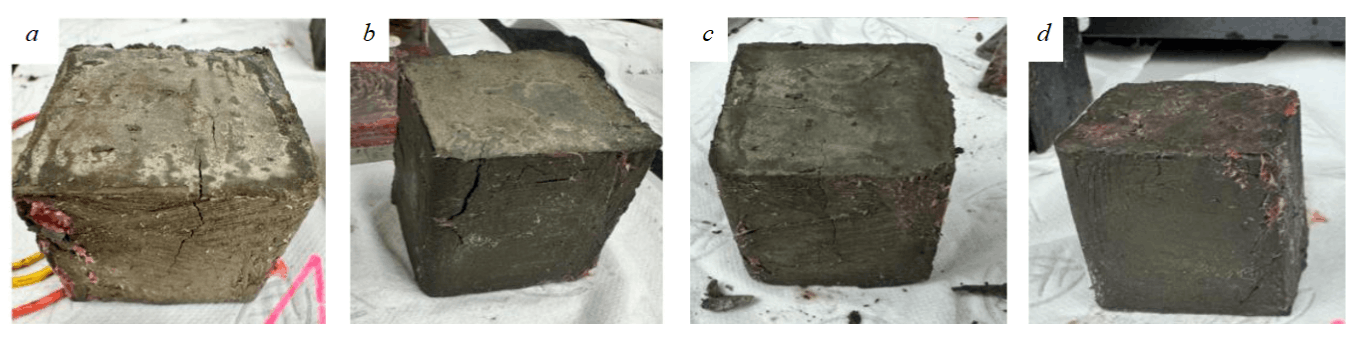
Fig.1. Cement cubes cured at −5 °C for 7 days: a – mixture N 1; b – mixture N 2; c – mixture N 3; d – mixture N 4.1
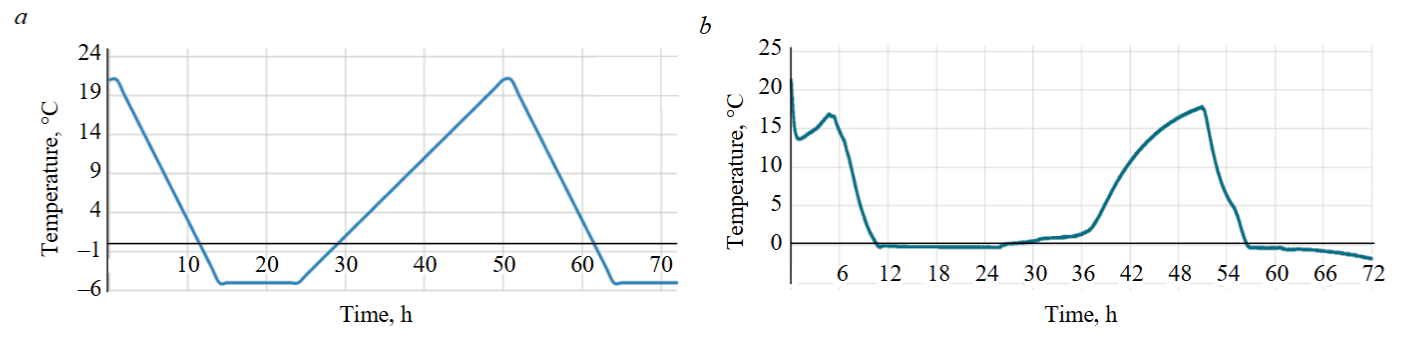
Fig.2. Change in temperature in the freezer compartment (a) and in the temperature of the cement block in the freezer compartment (b)
Table 5 presents the results of compressive strength tests on samples that had been stored in a freezer for 2 days at a temperature of –5 °C (Fig.3). The addition of Cr2O3 reduces the compressive strength at a W/S ratio of 0.4, but increases these values at a W/S ratio of 0.5. A 2 % Cr2O3 content yields better results compared to a 4 % content in specimens with a W/S ratio of 0.5. This is due to more favourable conditions for the dispersion of the additive and the progression of hydration processes. At a W/S ratio of 0.4, the effect of the additive on strength is negligible.
Based on the research results (Table 4, 5), it can be concluded that the addition of Cr2O3 is advisable at a W/S ratio of 0.5; this value for the water-solid ratio is specified in the technical data sheet for PCT-I-50.
Table 4
Compressive strength of mixtures N 2 and N 3 cured for 3 days
|
Number mixture |
W/S |
Compressive strength, MPa |
|
2 |
0.4 |
13.460 |
|
0.5 |
6.09 |
|
|
3 |
0.4 |
12.735 |
|
0.5 |
10.395 |
Table 5
Compressive strength of mixtures cured for 2 days at −5 °C
|
Number mixture |
W/S |
Compressive strength, MPa |
|
1 |
0.4 |
3.78 |
|
0.5 |
0.72 |
|
|
2 |
0.5 |
0.1 |
|
3 |
0.5 |
0.8 |
|
4.1 |
0.4 |
3.56 |
|
0.5 |
2.15 |
|
|
4.2 |
0.5 |
2.14 |
It can be observed that the sample containing chromium sludge and calcium chloride did not disintegrate after testing in the chamber (composition N 4.1).
The next stage of the study was to determine the spreadability of the grouting mortar: composition N 4.1 – 230 mm, composition N 1 – 170 mm. Low rheological characteristics allow for an increase in the upward flow rate of the grouting mortar, as it will exert less stress on the rock. As the upward flow rate of the grouting mortar increases, the quality of cementation improves due to better replacement of the drilling fluid by the grout.
Next, the phase composition of the cement stone was determined (Fig.4).
Chromium (III) and (VI) can replace aluminium Al3+ in the structure of cementitious minerals, forming new stable compounds. Chromium oxides can interact with silicates and calcium aluminates, altering the phase composition and density of the cement stone. Such interaction promotes the formation of a more homogeneous structure and increases the material’s resistance to environmental influences.
X-ray diffraction analysis of the additive shows that the crystalline phases present in the sample include a mixture of alpha and delta aluminium oxide, as well as coarse-grained crystallites of a Cr2O3-Al2O3 solid solution (chromium-aluminium oxide). The X-ray diffraction data indicate that a high proportion of the amorphous phase is present. The chemical composition of the solid phase of the catalyst sludge remains unchanged before and after boiling. The bulk of the solid phase of the catalyst sludge consists of aluminium oxide, silicon oxide, chromium-containing compounds and impurity elements (iron, potassium, calcium, manganese, and zirconium), the total amount of which, expressed as oxides, does not exceed 4.1 wt.%. When the additive in question is incorporated into the cement system, chromium-containing hydrates and complex silicates may form, which enhance the strength, frost resistance, and chemical resistance of the cement stone. A reduction in the content of unstable compounds, such as free calcium oxide, lowers the likelihood of cracking during cyclic temperature changes, which is particularly important for use in permafrost conditions.
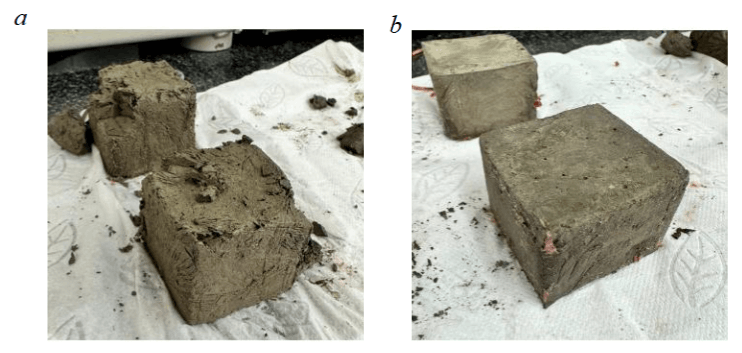
Fig.3. Samples of cement stone that have been kept in a freezer for 2 days at –5 °C: a – mixture N 2; b – mixture N 4.1
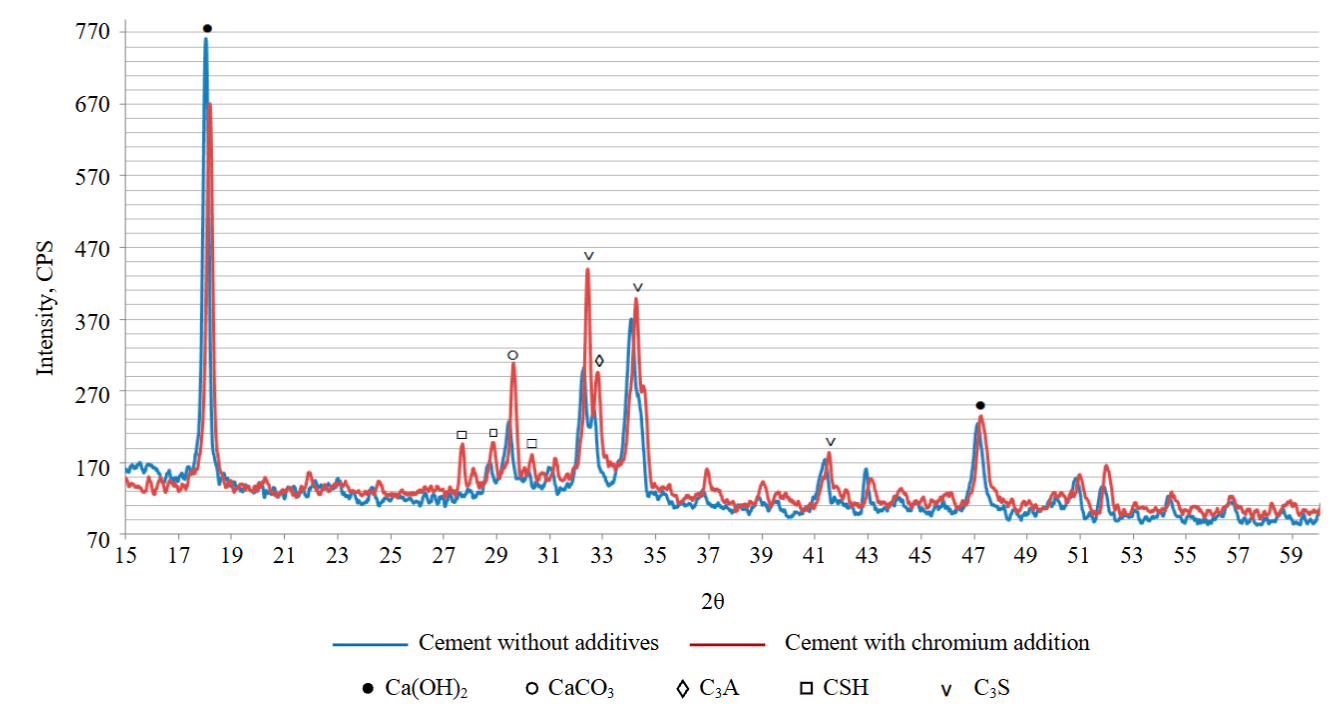
Fig.4. Results of X-ray phase analysis of mixtures N 2 and N 3
X-ray phase analysis showed that the addition of chromium to the cement mixture resulted in changes to the phase composition of the cement stone (Fig.4):
- The intensity of the peaks corresponding to Ca(OH)2 is lower in the mixture containing chromium than in pure cement. Free portlandite (Ca(OH)2) is a weak phase susceptible to leaching and degradation under the influence of aggressive water. A lower Ca(OH)2 content increases durability and resistance to aggressive environments, which is critical for permafrost conditions.
- Figure 4 shows an increase in the intensity of the peaks corresponding to CSH upon the addition of Cr2O3; CSH (calcium silicate hydrate) is the main binding phase of the cement stone, ensuring its strength and density. The greater the proportion of the CSH phase, the stronger and more stable the structure of the cement stone. The addition of chromium oxide promotes the formation of a denser and stronger structure capable of withstanding mechanical loads and thermal fluctuations in permafrost zones.
Following X-ray phase analysis, the cement stone was scanned on a SkyScan 1173 microtomograph to determine its internal structure. The results of the study of compositions N 2 and N 3, which underwent testing in a chamber with cyclic temperature changes, are presented in Fig.5.
Composition N 3 has a denser structure with fewer channels compared to composition N 2 following the cyclic temperature change test over a period of 3 days. This is an important indicator, as fluid can migrate through the channels formed, leading to inter-column flow.
Following microtomography scanning, compositions N 2 and N 3 were examined using a TESCAN VEGA3 electron microscope. The results are shown in Fig.6.
The dense microstructure reduces the number of micropores, improving compressive and flexural strength. A lower content of free Ca(OH)2 and the presence of chromium-containing phases result in a denser cement stone, which reduces water permeability and prevents leaching.
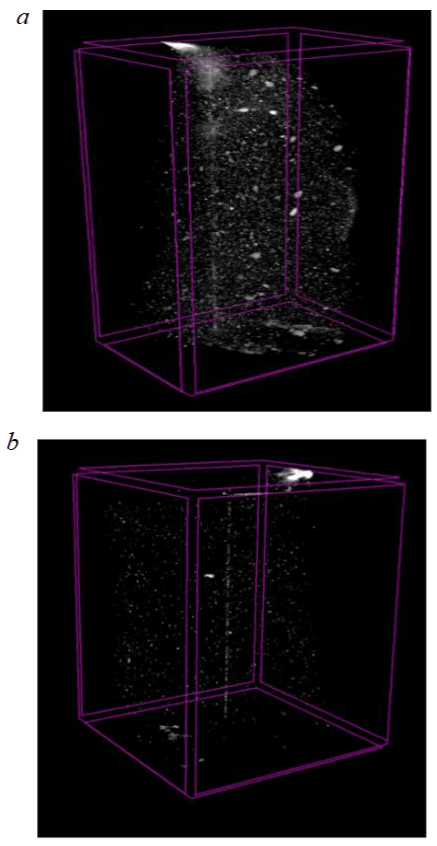
Fig.5. Internal structure of compositions N 2 (a) and N 3 (b) with W/S = 0.5 after testing in a freezer
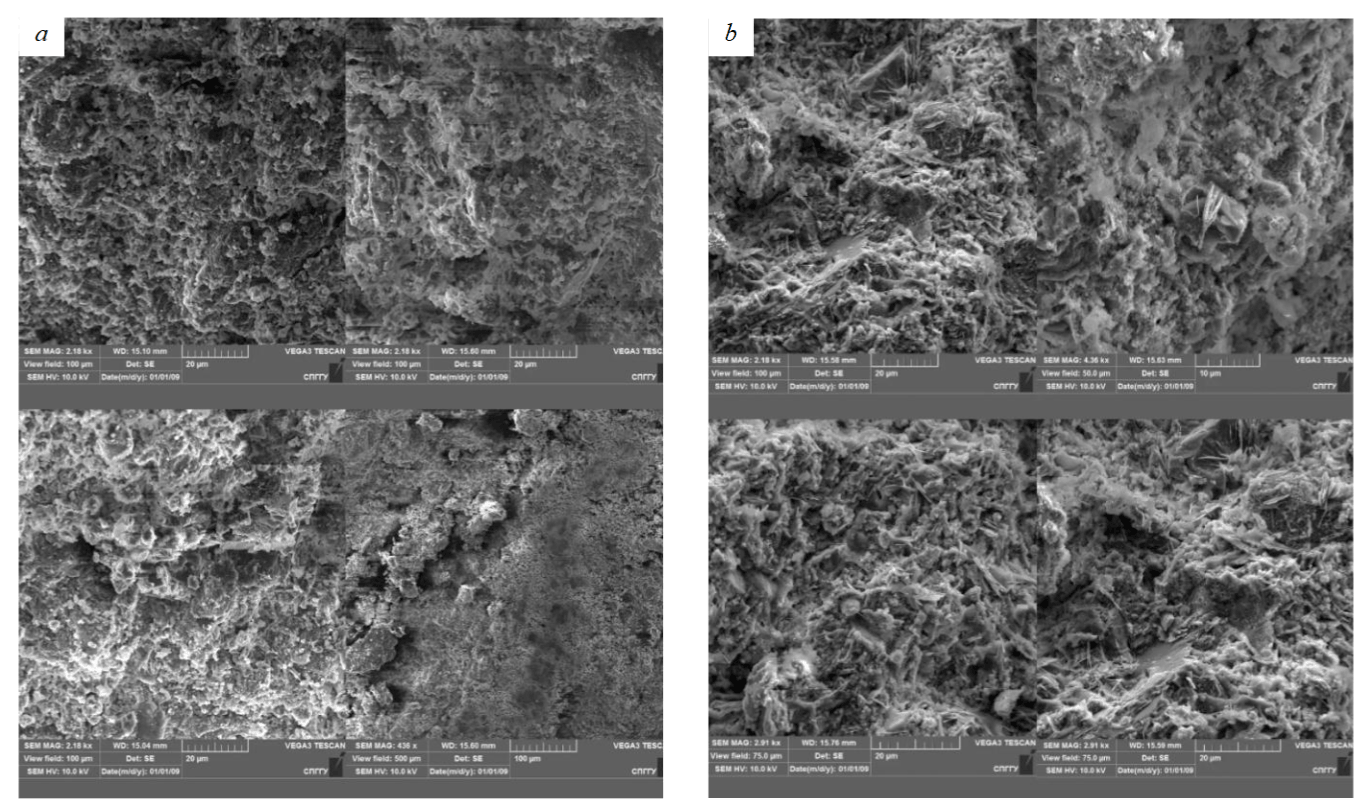
Fig.6. Scanning results for samples N 2 (a) and N 3 (b)
Conclusion
It has been established that the use of chromium oxide (Cr2O3) in the composition of the grouting mortar has a positive effect on its properties at a water-to-solid ratio of 0.5. This composition ensures the formation of a more durable cement stone, which is particularly important for cryolithzone conditions, where the presence of microcracks and pores can lead to inter-pillar flow and a reduction in the integrity of the support.
The results of microtomographic analysis showed that the structure of the cement stone with the addition of chromium becomes more homogeneous, with fewer internal channels and pores. Although the overall density of the cement stone remained unchanged (due to the equivalent replacement of 24 g of cement powder with 24 g of chromium oxide), an improvement in the internal structure is observed, indicating a reduction in permeability and a potential increase in the material’s durability.
The observed reduction in the number of internal channels and the more homogeneous structure of the samples with chromium (III) oxide additive may indicate a potential reduction in the permeability of the cement stone.
X-ray phase analysis confirmed that the presence of chromium oxide reduces the Ca(OH)2 content, indicating a more complete course of hydration processes. At the same time, an increase in the intensity of the peaks corresponding to calcium hydrosilicates (CSH) as well as aluminate and silicate phases (C3A and C2S) is observed, which is directly linked to the improvement in the material’s strength characteristics. Stable chromium compounds slow down the degradation processes of the cement stone, extending the well’s service life.
The use of chromium oxide helps to increase the flowability of the grout, significantly facilitates its injection and improves the quality of the annular space filling. Low rheological properties allow for an increase in the upward flow rate of the grouting mortar, as it exerts less pressure on the wellbore walls and surrounding rock. The increased flow rate facilitates a more effective replacement of the drilling fluid with the grouting mortar, which directly improves the quality of the cementing.
Reduced water absorption and the dense structure of the cement stone minimize the risk of damage during freezing and thawing. Promising avenues for further research include optimizing the composition of grout containing chromium additives under various climatic conditions, investigating the effect of the additive on the rheology of the grout at extremely low temperatures, and conducting field tests on actual wells in permafrost formations.
The issue of cement stone durability is particularly relevant for wells operated in permafrost conditions. The main potential problems are associated with the destruction of the cement stone during repeated freeze-thaw cycles. The addition of chromium sludge helps to minimize this problem by reducing the capillary moisture content. Furthermore, chromium-containing compounds can enhance the chemical resistance of the cement stone, preventing its degradation under the influence of groundwater (cement leaching).
Thus, the addition of Cr2O3 improves the internal structure of the cement stone, enhances its strength and technical properties, whilst maintaining its density. This makes the additive an effective solution for cementing wells in permafrost zones.
References
- Блинов П.А., Садыков М.И., Гореликов В.Г., Никишин В.В. Разработка и исследование тампонажных составов с улучшенными упруго-прочностными свойствами для крепления нефтяных и газовых скважин // Записки Горного института. 2024. Т. 268. С. 588-598.
- Dvoynikov M., Kutuzov P. Identification of Critical and Post-Critical States of a Drill String Under Dynamic Conditions During the Deepening of Directional Wells // Eng. 2025. Vol. 6. Iss. 11. № 306. DOI: 10.3390/eng6110306
- Yang Li, Yuanfang Cheng, Chuanliang Yan et al. Mechanical study on the wellbore stability of horizontal wells in natural gas hydrate reservoirs // Journal of Natural Gas Science and Engineering. 2020. Vol. 79. № 103359. DOI: 10.1016/j.jngse.2020.103359
- Litvinenko V. The Role of Hydrocarbons in the Global Energy Agenda: The Focus on Liquefied Natural Gas // Resources. 2020. Vol. 9. Iss. 5. № 59. DOI: 10.3390/resources9050059
- Зайцев В.И., Карпиков А.В. Анализ особенностей строительства эксплуатационных скважин в условиях многолетнемерзлых пород // Науки о Земле и недропользование. 2024. Т. 47. № 3. С. 302-315. DOI: 10.21285/2686-9993-2024-47-3-302-315
- Xuerui Wanga, Baojiang Sun, Zhiyuan Wang et al. Coupled heat and mass transfer model of gas migration during well cementing through a hydrate layer in deep-water regions // Applied Thermal Engineering. 2019. Vol. 163. № 114383. DOI: 10.1016/j.applthermaleng.2019.114383
- Zhen-quan Lu, Chu-guo Wu, Neng-you Wu et al. Change trend of natural gas hydrates in permafrost on the Qinghai-Xizang Plateau (1960-2050) under the background of global warming and their impacts on carbon emissions // China Geology. 2022. Vol. 5. Iss. 3. P. 475-509. DOI: 10.31035/cg2022034
- Кучин В.Н., Сидоров В.А., Коптева А.И. Крепление скважин и разобщение пластов в интервалах залегания многолетнемерзлых пород: научно-методические основы // Neftegaz.RU. 2025. № 7 (163). С. 37-41.
- Gizatullin R., Dvoynikov M., Romanova N., Nikitin V. Drilling in Gas Hydrates: Managing Gas Appearance Risks // Energies. 2023. Vol. 16. Iss. 5. № 2387. DOI: 10.3390/en16052387
- Xuerui Wang, Zhenhao Li, Baojiang Sun et al. Coupling mechanisms between cement hydration and permafrost during well construction in the Arctic region // Geoenergy Science and Engineering. 2023. Vol. 222. № 211429. DOI: 10.1016/j.geoen.2023.211429
- Yucheng Xue, Chengwen, Wang Jingping Liu et al. A cement hydration kinetics model and its application in designing cement formulation for natural gas hydrate well // Cement and Concrete Research. 2024. Vol. 179. № 107483. DOI: 10.1016/j.cemconres.2024.107483
- Кузнецов В.Г., Щербич Н.Е., Герасимов Д.С. и др. Основные требования к свойствам тампонажного раствора и камня для низкотемпературных скважин // Известия высших учебных заведений. Нефть и газ. 2019. № 5 (137). С. 57-63. DOI: 10.31660/0445-0108-2019-5-57-63
- Ершиев К.Т., Ахметов Д.А., Айткулов Е.К. и др. Обобщение опыта применения гравитационного способа ликвидации межколонного давления // Вестник нефтегазовой отрасли Казахстана. 2021. Т. 3. № 3 (8). С. 43-51. DOI: 10.54859/kjogi88919
- Rybakov D.A., Dorokhin E.G., Andreev K.V., Straupnik I.A. Flushing Fluid Dynamics in a Flowing Piston with Confusor Transition Modelling // International Journal of Engineering, Transactions A: Basics. 2025. Vol. 38. Iss. 4. P. 937-944. DOI: 10.5829/ije.2025.38.04a.21
- Zhenyu Wu, Liang Xu, Bing Li et al. Hydrothermal coupling model between wellbore and permafrost for drilling in arctic cold regions // International Journal of Heat and Mass Transfer. 2024. Vol. 235. № 126236. DOI: 10.1016/j.ijheatmasstransfer.2024.126236
- Ghosal Mainak, Chakraborty A.K. Engineering the properties of nanomaterials for its use in cement concrete // Materials Today: Proceedings. 2021. Vol. 46. Part 17. P. 7502-7506. DOI: 10.1016/j.matpr.2021.01.206
- Sheng Wang, Liming Jian, Zhihong Shu et al. Preparation, properties and hydration process of low temperature nano-composite cement slurry // Construction and Building Materials. 2019. Vol. 205. P. 434-442. DOI: 10.1016/j.conbuildmat.2019.02.049
- Fang Jin, Feng Huang, Guobiao Zhang et al. Feasibility assessment of enhancing permeability and stability in marine hydrate reservoirs with dual-enhanced stimulation: Slurry-sediment cementation characteristics // Applied Ocean Research. 2025. Vol. 158. № 104545. DOI: 10.1016/j.apor.2025.104545
- Xuerui Wang, Baojiang Sun, Songyan Li et al. Numerical modeling of hydration performance for well cement exposed to a wide range of temperature and pressure // Construction and Building Materials. 2020. Vol. 261. № 119929. DOI: 10.1016/j.conbuildmat.2020.119929
- Xuerui Wang, Baojiang Sun, Yonghai Gao et al. Numerical simulation of the stability of hydrate layer during well cementing in deep-water region // Journal of Petroleum Science and Engineering. 2019. Vol. 176. P. 893-905. DOI: 10.1016/j.petrol.2019.02.003
- Yuhuan Bu, Rui Ma, Huajie Liu et al. Low hydration exothermic well cement system: The application of energy storage microspheres prepared by high-strength hollow microspheres carrying phase change materials // Cement and Concrete Composites. 2021. Vol. 117. № 103907. DOI: 10.1016/j.cemconcomp.2020.103907
- Николаев Н.И., Лю Тяньлэ. Современные технологии бурения и крепления скважин при разведке газовых гидратов // Записки Горного института. 2016. Т. 218. С. 206-214.
- Yuhuan Bu, Zilong Lu, Chang Lu et al. Synthesis and performance evaluation of hydrate dissociation inhibitors suitable for cementing hydrate formations // Fuel. 2025. Vol. 386. № 134197. DOI: 10.1016/j.fuel.2024.134197
- Changliang Fang, Mingming Zheng, Hongzhi Lu et al. A simplified method for predicting the penetration distance of cementing slurry in gas hydrate reservoirs around wellbore // Journal of Natural Gas Science and Engineering. 2018. Vol. 52. P. 348-355. DOI: 10.1016/j.jngse.2018.01.042
- Иванов В.Н., Парфенова С.Н. Исследование адгезионной прочности цементных составов для крепления скважин в интервалах залегания многолетнемерзлых пород // Ашировские чтения: Сборник трудов Всероссийской научно-практической конференции, 21 ноября 2024, Чебоксары, Россия. В 2 томах. Самара: Самарский государственный технический университет, 2024. Т. 2. С. 98-102.
- Буслаев Г.В., Лаврик А.Ю., Исламов Р.Р., Муслимов Б.Ш. Обзор современных исследований газовых гидратов и ингибиторов гидратообразования для применения при освоении скважин // Научный журнал Российского газового общества. 2024. № 2 (44). С. 16-25.
- Самойлович А.В., Медведев Ю.В. Эффективное решение для крепления скважин в интервалах многолетнемерзлых пород (ММП) // Бурение и нефть. 2025. № 3. С. 40-41. DOI: 10.62994/2072-4799.2025.43.36.007
- Mozaffari S., Rahmani O., Piroozian A. et al. Oil-well lightweight cement slurry for improving compressive strength and hydration rate in low-temperature conditions // Construction and Building Materials. 2022. Vol. 357. № 129301. DOI: 10.1016/j.conbuildmat.2022.129301
- Xueyu Pang, Lijun Sun, Min Chen et al. Influence of curing temperature on the hydration and strength development of Class G Portland cement // Cement and Concrete Research. 2022. Vol. 156. № 106776. DOI: 10.1016/j.cemconres.2022.106776
- Lijun Sun, Xueyu Pang, Haibing Yan. Hydration kinetics of oil well cement in the temperature range between 5 and 30 °C // Frontiers in Materials. 2022. Vol. 9. № 985332. DOI: 10.3389/fmats.2022.985332
- Nassan T.H., Kirch M., Freese C. et al. Experimental investigation of wellbore integrity during geological carbon sequestration: Thermal- and pressure-cycling experiments // Gas Science and Engineering. 2024. Vol. 124. № 205253. DOI: 10.1016/j.jgsce.2024.205253
- Merzlyakov M.Y., Straupnik I.A., Serbin D.V. Study of water-containing ability of gas-liquid cement mixtures // Topical Issues of Rational Use of Natural Resources. In 2 volumes. CRC Press, 2019. Vol. 2. P. 851-859. DOI: 10.1201/9781003014638-48
- Ivanchev I. Investigation with Non-Destructive and Destructive Methods for Assessment of Concrete Compressive Strength // Applied Sciences. 2022. Vol. 12. Iss. 23. № 12172. DOI: 10.3390/app122312172
- Чернышов С.Е., Галкин В.И., Ульянова З.В., Макдоналд Д.И.М. Разработка математических моделей управления технологическими параметрами тампонажных растворов // Записки Горного института. 2020. Т. 242. С. 179-190. DOI: 10.31897/PMI.2020.2.179
- Adjei S., Elkatatny S. Overview of the lightweight oil-well cement mechanical properties for shallow wells // Journal of Petroleum Science and Engineering. 2021. Vol. 198. № 108201. DOI: 10.1016/j.petrol.2020.108201
- Davoodi S., Al-Shargabi M., Wood D.A., Rukavishnikov V.S. Recent advances in polymers as additives for wellbore cementing applications: A review // Fuel. 2024. Vol. 357. Part A. № 129692. DOI: 10.1016/j.fuel.2023.129692
- Leusheva E., Morenov V. Effect of Temperature Conditions in Arctic Offshore Oil Fields on the Rheological Properties of Various Based Drilling Muds // Energies. 2022. Vol. 15. Iss. 15. № 5750. DOI: 10.3390/en15155750
- Buslaev G., Lavrik A. Comparative Study of Efficiency of Hydrate Inhibitors Based on Ammonium Salts and Polyvinylpyrrolidone // International Journal of Engineering: Transactions A: Basics. 2026. Vol. 39. Iss. 4. P. 898-905. DOI: 10.5829/ije.2026.39.04a.08
- Sotoudeh S., Ndeh-Ngwa A., Akbari S. et al. Optimization of Primary Cementing for Heavy Oil Wells: A Simulation-Based Case Study // 44th International Conference on Ocean, Offshore and Arctic Engineering, 22-27 June 2025, Vancouver, British Columbia, Canada. ASME, 2025. № OMAE2025-155064. DOI: 10.1115/OMAE2025-155064
- Al Dhaif M., Al Qatari M., Toktabolat Z. Enhancing Well Integrity with Managed Pressure Drilling and Cementing in Challenging Zones with Significant Fluid Losses // Middle East Oil, Gas and Geosciences Show, 16-18 September 2025, Manama, Bahrain. OnePetro, 2025. № SPE-227083-MS. DOI: 10.2118/227083-MS
- Pyagay I., Zubkova O., Zubakina M., Sizyakov V. Method for Decontamination of Toxic Aluminochrome Catalyst Sludge by Reduction of Hexavalent Chromium // Inorganics. 2023. Vol. 11. Iss. 7. № 284. DOI: 10.3390/inorganics11070284
- Пягай И.Н., Зубкова О.С., Зубакина М.А. Патент № 2796659 РФ. Способ восстановления шестивалентного хрома из технологических отходов. Опубл. 29.05.2023. Бюл. № 16.
- Юртаев С.Л., Громов Д.А., Ожигин А.Ю., Коптева А.И. Патент № 2828105 РФ. Климатическая камера для исследования процесса термоотверждения образцов цементного раствора при отрицательных температурах. Опубл. 07.10.2024. Бюл. № 28.