

Assessment of carbon deposition rates by bottom sediments of small lakes in the south of Western Siberia
- 1 — Junior Researcher V.S.Sobolev Institute of Geology and Mineralogy SB RAS ▪ Orcid
- 2 — Ph.D., Dr.Sci. Leading Researcher V.S.Sobolev Institute of Geology and Mineralogy SB RAS ▪ Orcid
- 3 — Ph.D. Senior Researcher V.S.Sobolev Institute of Geology and Mineralogy SB RAS ▪ Orcid
- 4 — Ph.D. Researcher V.S.Sobolev Institute of Geology and Mineralogy SB RAS ▪ Orcid
Abstract
The study is devoted to the quantitative assessment of organic carbon (Corg) deposition rates in the bottom sediments of small lakes located in the south of Western Siberia. The studied water bodies cover a wide range of landscape-climatic conditions and types of sedimentation environments. Despite their local dimensions, the small lakes of the region demonstrate exceptionally high efficiency of long-term carbon burial. It is shown that their capacity to accumulate Corg is comparable to or even exceeds that of such recognized carbon depots as bogs and marine shelves. The work is based on a comprehensive analysis of bottom sediments, including radiometric dating (Pb-210, Cs-137) to determine sedimentation rates and layer ages, as well as morphological, elemental (CHNS analysis), and X-ray diffraction analyses. According to the obtained data, the average Corg deposition rate in the studied lakes reaches 462±29 g/m2 per year. It has been established that the majority of carbon (> 50 % in most cases) accumulates specifically in the form of organic matter, even in lakes with intensive intra-basin (authigenic) carbonate formation. The study revealed the main factors controlling carbon accumulation: productivity of aquatic communities (phytoplankton, zooplankton, macrophytes), total sedimentation rate, sediment ash content (mineral fraction proportion), and local morphometric features of the lakes (depth, basin shape). The absence of a clear dependence of carbon deposition rates on landscape zonality underscores the critical importance of considering local conditions when modeling the contribution of small lakes to the global carbon cycle. The obtained results substantially fill gaps in regional carbon assessment and prove the significance of small lakes in the south of Western Siberia as highly efficient and stable natural depots of organic carbon under conditions of continental sedimentation.
Work was carried out under the State assignment of IGM SB RAS FWZN-2026-0008.
Introduction
Changes in the global carbon cycle are a fundamental factor of contemporary climate shifts, which necessitates a reassessment of the contribution of various natural systems to carbon sequestration [1, 2].
Continental water bodies are characterized by intensive carbon exchange with the atmosphere and significant deposition of organic matter into bottom sediments (BS), which makes them important components of the terrestrial carbon reservoir. Continental water bodies, especially small lakes and ponds, demonstrate high efficiency of organic carbon accumulation per unit area compared to large lakes and marine areas [3, 4]. Small artificial and restored ponds have particularly high carbon accumulation rates, reaching 152 g/m–2 per year–1 [5]. Larger water bodies are characterized by lower accumulation rates due to morphometric features [6]. Inland waters overall exceed oceans in terms of organic carbon burial efficiency per unit area [3]. Despite this, their contribution to global estimates of carbon burial remains insufficiently studied and, consequently, is poorly represented in climate models and scenarios of future changes.
In the global carbon balance, it is customary to speak of “land-absorbed carbon” (SLAND) – the volume of CO2 that terrestrial ecosystems retain in response to rising CO2 concentrations and climate change. Dynamic Global Vegetation Models (DGVM) are used to assess this absorption. Formally, the concept of SLAND includes not only forests and soils but also all continental water bodies – rivers, lakes, reservoirs, and estuaries [1]. In practice, however, models describe terrestrial processes in much greater detail than aquatic ones. Existing models hardly account for how much carbon is washed from land into rivers and lakes and how this flux has changed over time. As a result, the role of lakes and other inland waters in the global carbon cycle, although recognized as important, remains quantitatively underestimated. Models record terrestrial CO2 absorption without tracking the subsequent pathway of carbon that is exported from terrestrial ecosystems to aquatic systems [1].
Existing studies confirm that continental water bodies can act as both sources and sinks of carbon, but estimates vary widely, especially for lakes of small dimensions. According to H.E.Chmiel [7], the increased sensitivity of small lakes to changes in temperature, hydrological regime, and input of terrigenous organic matter results in high variability of their carbon balance, which further complicates assessment and yields a spectrum of uncertainty in global carbon balance calculations.
The south of Western Siberia is a unique natural polygon that includes the boundary between forest and steppe zones, thereby providing a wide spectrum of hydrological and sedimentation conditions. Within the region, humid, arid, and nival types of sedimentogenesis are combined, while the lakes themselves vary in morphometry, degree of anthropogenic load, and sources of organic matter. However, quantitative estimates of carbon deposition rates in the lake sediments of this territory are practically absent in the scientific literature.
Despite the high forest cover, bog coverage, and lake density, Western Siberia remains a “blank spot” in global carbon assessments. Peatlands here occupy ≈ 22 % of the lowland area and accumulate ~7 ·1013 kg of carbon [8]. In the work of E.A.Golovatskaya [9] an analysis of the carbon balance in the bogs of the region confirms the enormous stocks and potential role of these ecosystems as stable carbon depots. Landsat-8 satellite data reveal > 720,000 lakes with an area > 0.5 ha (about 6 % of the territory); however, for most small water bodies, direct measurements of gas exchange and carbon stocks are lacking [10]; the global BAWLD database notes a critical deficit of CH4 measurements for the Ob-Irtysh floodplain and lakes of the region [11].
The aim of the work is to assess the rates and spatial variability of organic carbon deposition in the bottom sediments of small lakes in the south of Western Siberia under different landscape zones.
The results will allow refining the assessment of the role of inland water bodies in the regional and global carbon balance, and can also be used to improve the parameterization of lake systems in climate models [12] and in the development of strategies for adaptation to climate change in high-latitude regions. Moreover, accounting for the specifics of carbon accumulation in Siberian lakes is critically important for improving the accuracy of carbon balance predictions in the Northern Hemisphere.
Objects and methods of research
The objects of the study are the BS of small lakes in the south of Western Siberia, which in the studied water bodies are represented by sapropels – organomineral bottom sediments of water bodies that form as a result of biochemical, microbiological, and mechanical processes from the remains of dying plant and animal organisms, authigenic minerals, and organic and mineral particles introduced into the water bodies.
The studied lakes are localized in the south of Western Siberia (Fig.1), mainly in the southeastern part of the West Siberian Platform bordering the Altai-Sayan fold region, within the Ob-Irtysh interfluve and on the territory of Gorny Altai (Ukok Plateau, Ulagan Valley).
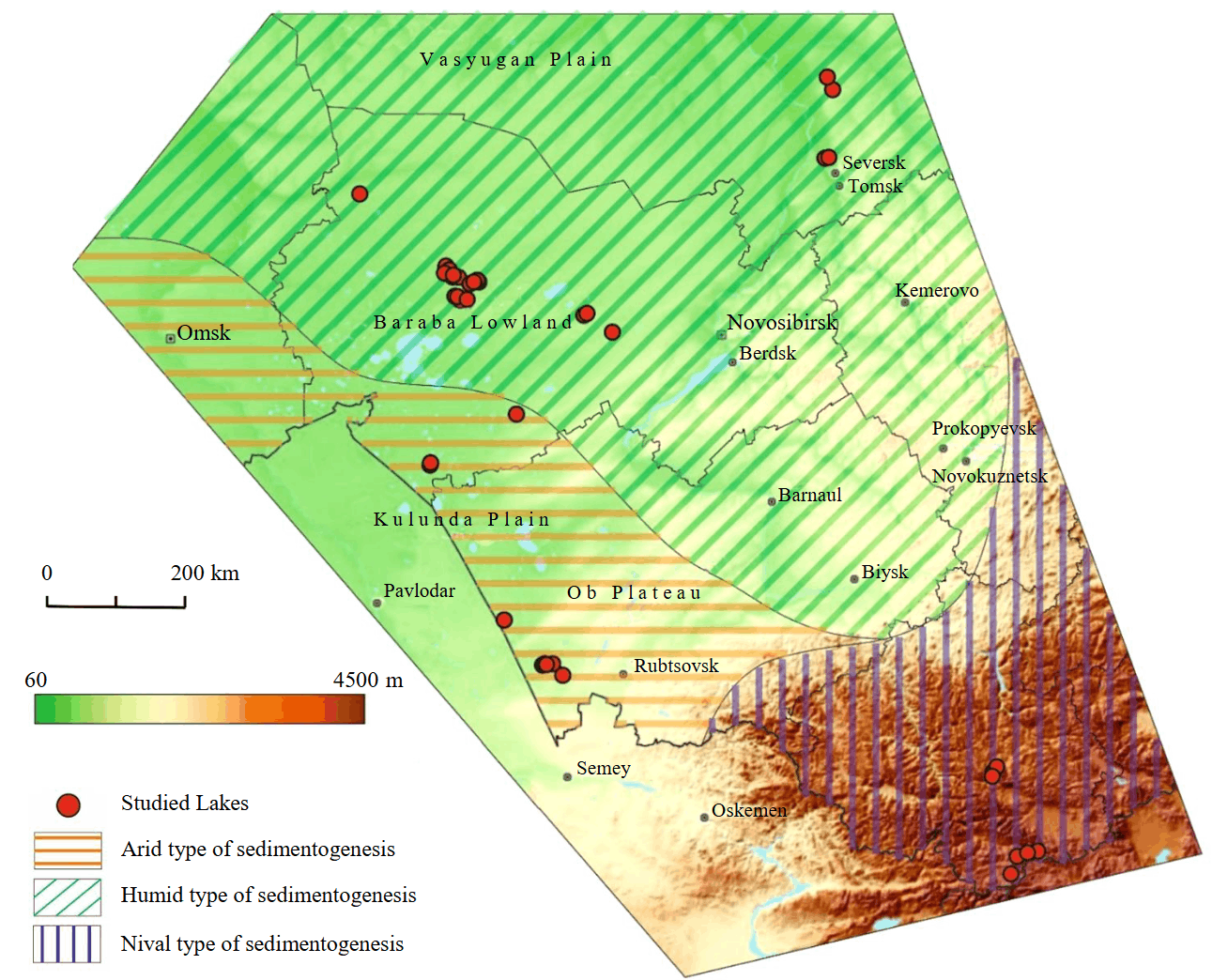
Fig.1. Location map of the studied lakes
In the plain part of the studied territory, natural-climatic zonality is manifested. From north to south, the boreal Vasyugan taiga-bog flat plain is represented, followed by the subboreal Baraba lowland forest-steppe, which transitions into the Kulunda steppe plain. In the extreme southwest of the Kulunda Steppe, the dry-steppe zone is distinguished [13]. To the southeast, with increasing elevation in the territory of Gorny Altai, latitudinal zonality is replaced by altitudinal zonality.
In parallel with the change in landscape-climatic zones, a change in sedimentation types occurs in the studied lakes (according to N.M.Strakhov [14]):
- Vasyugan Plain – humid type of sedimentogenesis;
- Barabinsk Plain and Kulunda Steppe – gradual transition from humid to arid type;
- Ulagan Valley and Ukok Plateau (Russian Altai) – nival type of sedimentogenesis in a mountain landscape.
Since the work aims at a regional assessment, the selection of study objects was carried out according to general morphometric, hydrological, hydrochemical, trophic, and other parameters corresponding to the average characteristics of the predominant lakes for the studied territories. In total, 41 lakes were studied: 10 located under arid type of sedimentogenesis, 7 under nival type, and 24 under humid type of sedimentogenesis. All studied lakes are small (0.1 < S < 10 km2) with a depth of up to 10 m (average depth 3 m), permanent, closed basins (in steppe regions with arid climate, some of the studied lakes lose a significant portion of water during the low-water period). According to the degree of eutrophication, the studied lakes range from mesotrophic to eutrophic under humid type of sedimentogenesis to oligotrophic under nival type. Among the studied lakes, suffosion-subsidence basins predominate in the plain parts of the study areas (steppe, forest-steppe, and taiga landscapes), which are often inheritors of the ridge-and-hollow relief in the Baraba Lowland and Kulunda Plain. In the mountain landscape, lake basins of thermokarst and moraine-dammed types with superimposed neotectonic processes predominate.
The collected factual material is the result of comprehensive long-term studies [15-17]. Fieldwork was conducted during the summer period, after snowmelt, during the low-water stage. At the study sites, an integrated approach was used: each lake was considered as a separate lake system, with sampling of bottom sediments, water, soil, bedrock (where present), dominant vegetation, and sands from the wave-break zone of the lake. The bottom topography of the lake basin and the structure of the lake bottom sediments were surveyed using an ECHOMAP Plus 62cv echo sounder, followed by sampling at the most representative locations (maximum bottom sediment section, distance from anthropogenic objects). Bottom sediment sampling was performed using a cylindrical corer with a vacuum seal designed by Taifun Research and Production Association (diameter d = 82 mm, length L = 120 cm). Core sampling was conducted on site at 3-5 cm intervals.
Analytical studies were conducted at the Analytical Center for multi-elemental and isotope research SB RAS, Novosibirsk. The main characteristics of bottom sediments (moisture content, ash content, and pH) were determined according to State standards: GOST 26713, GOST 27980, and GOST 27979. The major- and trace element composition of the samples was determined by atomic absorption spectrometry using a Solaar M6 spectrometer (Thermo Electron, USA) and by inductively coupled plasma mass spectrometry using an ELEMENT high-resolution mass spectrometer (Finnigan MAT). The study of the morphology, mineral, phase, and chemical compositions of bottom sediments was carried out using a MIRA 3 Tescan scanning electron microscope (SEM) and by X-ray diffractometry using an ARL X’TRA diffractometer. Sedimentation rates were estimated by radiometric dating using excess atmospheric Pb-210 according to the Constant Rate of Supply (CRS) model, under the assumptions that the atmospheric input of Pb-210 into bottom sediments is constant; the sedimentation rate within the considered time interval (of a single sample) does not change, and that there is no post-depositional migration of radioactive elements [17, 18]. Verification of the dating estimates was performed using Cs-137 activities based on marker horizons. The use of the CRS model is due to the fact that small lakes are almost completely free from mixing of the upper layers of bottom sediments and, consequently, from redistribution of material, which provided the necessary assumptions and the required accuracy for the CRS model. Measurements were carried out using a well-type gamma spectrometer on a coaxial high-purity germanium (HPG) detector with a preamplifier and a low-background cryostat EGPC 192-P21/SHF 00-30A-CLF-FA (Eurisys Mesures, France). The elemental composition of the organic fraction of bottom sediments was studied by Pregl – Dumas organic elemental analysis [19, 20] using a CHNS/O PE 2400 Series II analyzer (Perkin Elmer) at the Analytical Center of the Institute of Soil Science and Agrochemistry SB RAS (Novosibirsk).
Since direct measurements of carbon deposition over large territories and within complex biocenoses are impossible in most cases (the difference between the net primary productivity of aquatic organisms and heterotrophic respiration – CO2 emission into the atmosphere resulting from organic matter mineralization), the authors applied a method for calculating the carbon deposition rate through sediment accumulation rates. For this purpose, a stratigraphically undisturbed stratified section of bottom sediments was used: it was dated using a set of geochronological methods; the sedimentation rate was determined and multiplied by the carbon content in the sediment sample accumulated over the dated period. For deposition calculations, the average sedimentation rate over the entire interval of possible measurements (100-120 years) was taken. For 16 lakes, carbon determination was performed on stratified horizons at 3-5 cm intervals using the Pregl – Dumas CHNS analysis method. The analysis showed that the amount of organic carbon in the bottom sediments exhibits low variability and has a significant positive correlation with the amount of organic matter relative to the total sediment mass. For the remaining lakes, carbon determination was carried out on an average sample using the Pregl – Dumas CHNS analysis method and verified by the loss-on-ignition (LOI) method on stratified horizons at 3-5 cm intervals. Data on carbon content in the article are presented as mean values for the entire core. Data on deposition rates are presented for the upper parts of the core down to the dating depth (on average, up to 60 cm). Total carbon stocks were determined taking into account sediment moisture content and density using geological exploration methods, as the mean carbon content multiplied by sapropel reserves per area of 1 ha.
Sapropel reserves were determined as the product of volume and sapropel yield at 60 % moisture, followed by recalculation to dry weight. Sapropel yield was determined according to the formula:
where V is the volume of sapropel, thousand m3; Wnat, Wcond are natural and conditional humidity of sapropel, equal to 60 %.
The calculation of buried organic carbon was performed under the assumption that the species composition of biota and/or the C/H/N ratio of the organic fraction does not change or changes only insignificantly over time, and was carried out according to the formula:
where Рdry is dry sapropel reserves; N is the percentage of organic matter; L is the percentage of carbon in the organic fraction.
The calculation of carbon buried in carbonates was performed for calcite and for dolomite according to the formulas:
where Рdry is dry sapropel reserves; Z is ash content; KСа is the content of Ca in the dry sample in carbonates; KСа,Mg is the content of Ca and Mg in the dry sample in carbonates.
Carbon deposition rates into bottom sediments were calculated as the mass of carbon buried in bottom sediments per year. The mass of sapropel accumulating per year was calculated per area of 1 ha according to the formula:
where v is the sedimentation rate; S = 1 ha (10,000 m2).
Materials and discussion of results
Currently, there is no unified classification of bottom sediments in Russia or worldwide. The diversity of classifications and typological characteristics of BS is due to different goals and objectives in the research of specialists from various scientific fields: geology, geography, chemistry, biology, ecology, etc. For the classification of BS in our studies, the classification of N.V.Korde [21] with modifications by V.D.Strakhovenko [15] was used. In this classification, sapropel types are distinguished by ash content (ratio of organic and mineral parts): “Organic sapropel with ash content up to 30 %; organic-mineral sapropel with ash content 30-50 %; mineral-organic sapropel with ash content 50-70 %; mineralized sapropel with ash content 70-85 %; mineral silts with ash content above 85 %” [15]. The division of sapropel classes within each type is based on chemical composition according to the ratio of main major elements (Si, Ca, mixed), and the division into species is based on the species composition of the predominant organic part in each individual sapropel class. The BS of the studied lakes are in the predominant cases represented by sapropels of different types and classes (Fig.2). The mean ash content is 65.3 %, standard deviation 19.2 %, minimum value 15.5 %, median 66.6 %, maximum value 95 %. Figure 2 presents a diagram showing the distribution of BS of the studied lakes by classes and types.
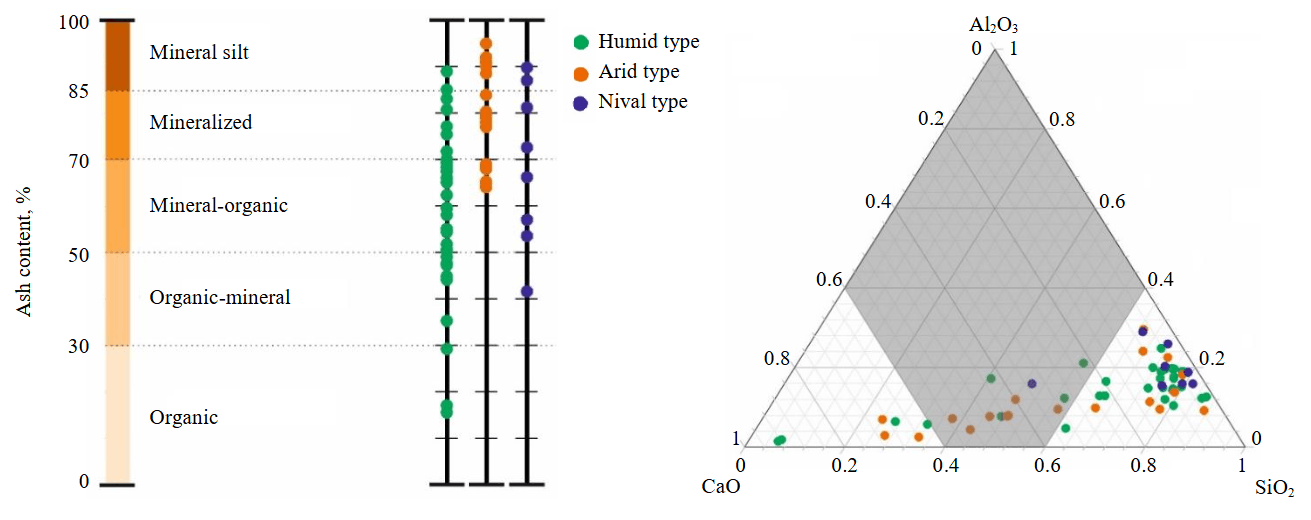
Fig.2. Diagrams of the prevalence of sapropel types and classes in lakes located under arid, nival, and humid types of sedimentogenesis
As shown by previous studies [15-17], the mineral composition of the studied lakes is represented by terrigenous, biogenic, chemogenic, and biochemogenic components. In the terrigenous fraction, quartz and feldspars predominate – albite, oligoclase, potassium feldspar, micas (muscovite), chlorites (Fe~Mg), illites (Fe~Mg). Hornblende, actinolite, epidote, and accessory minerals may be present as admixtures. The grains are well sorted, unrounded or poorly rounded, of pelitic, aleuropelitic, and more rarely psammitic (for mountainous regions) size. The biogenic fraction is represented by diatom frustules – SiO2 (amorphous) (Fig.3), fragments of calcite and aragonite shells, and mineralized remains of macrophytes of both siliceous and carbonate compositions. Pyrite is unevenly distributed throughout the core, occasionally forming thin laminae, nest-like segregations, and in places produces an uneven dissemination among other minerals of the clastic fraction of the bottom sediment (Fig.3). Pyrite framboids are spherical aggregates of densely packed, rounded microcrystals. Carbonate formations (calcite-dolomite series, aragonite, rarely siderite, rhodochrosite, and magnesite) are also widespread, ranging from micron-sized “curdy” segregations (Fig.3) to large stromatolitic formations tens of centimeters in size (Fig.4). The genesis of carbonates is polygenetic (authigenic) – biogenic, biochemogenic, chemogenic. Determining the genesis of carbonates in each specific case is a complex, multifaceted task.
According to data obtained from hydrobiologists (IWEP SB RAS) working in the joint expedition for sample collection, the main sources of organic matter in bottom sediments are bacteria, phytoplankton, zooplankton, as well as higher plants, both aquatic and coastal [22, 23]. Biological diversity and the structure of aquatic communities vary significantly from one lake to another, which leads to considerable differences in the contribution of various organism groups to the accumulation of organic matter and, accordingly, affects the chemical composition of the bottom sediments. The highest production of organic matter is observed in lakes located under humid type of sedimentogenesis. Nevertheless, in all studied water bodies, including high-mountain oligotrophic lakes, the processes of productive accumulation of organic matter exceed the processes of its destruction [22, 23].
To assess the ratio of autochthonous to allochthonous organic matter input, the C/N ratio is used. For higher terrestrial vegetation (allochthonous organic matter), C/N > 30; for aquatic flowering plants and benthic algae, C/N ≈ 20; for plankton, zoobenthos, and fish, С/N < 10. Thus, the C/N ratio in bottom sediments allows qualitative determination of the source of organic matter input. For the studied lakes, the average C/N ratio is 13±3, which indicates a mixed autochthonous component. For 16 lakes, not only the elemental composition but also the group composition of organic matter in the bottom sediments was investigated by sequential extraction [15]. Colleagues from the Institute Water and Environmental Problems SB RAS determined the biological composition of the sapropel [21, 23] using experiments with sediment traps to determine the qualitative composition of settling lake suspended matter and quantitative parameters (fluxes of material per unit area of the bottom). All studies showed that the allochthonous component makes a small contribution to the carbon budget, and the main source of organic carbon is autochthonous material.
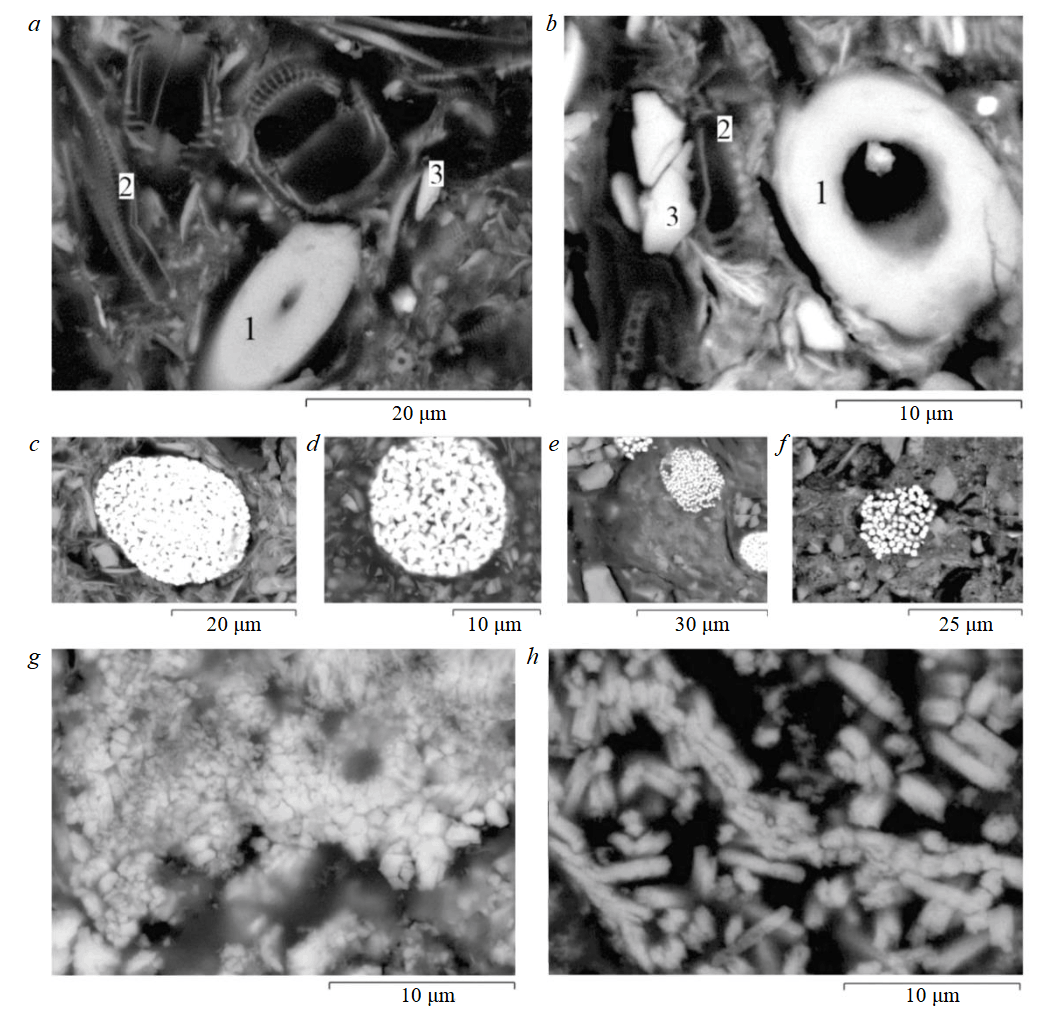
Fig.3. Mineral composition of bottom sediments: a – BS of Bazovoe Shchuchye Lake (humid type of sedimentogenesis); b – BS of Podkova Lake (nival type); c – pyrite framboid at the initial stage of formation in the BS of Teply Klyuch Lake under nival sedimentogenesis; d – pyrite framboid in Maloe Tarkhatinskoe Lake under nival sedimentogenesis; e – pyrite framboids in the BS of Bazovoe Shchuchye Lake under humid sedimentogenesis; f – pyrite framboid in the BS of Tanatar-6 Lake under arid sedimentogenesis; g – “curdy” aggregates of low-Mg calcite (Biryuzovoe Lake); h – prismatic aggregates of low-Mg calcite (Tanatar-4 Lake). Photo taken via a MIRA 3 Tescan SEM, BSE
Table 1 presents the initial data necessary for calculating carbon deposition rates in the studied lakes. In the sample of studied lakes, the ash content of bottom sediments ranges from 15.5 to 92 %, with a mean value of 61.5±18.3 %, a median of 64.9 %. The organic carbon content varies from 1.1 to 45.4 %, with a mean of 21.0±11.3 %, a median of 20.0 %. The moisture content of bottom sediments ranges from 20 to 89 % with a mean of 71.2±11.6 % and a median of 71 %.
Table 1
Initial data for calculating carbon deposition rates
|
Lake |
Ash content, % |
C, % |
Sedimentation rate, cm/year |
W, % |
|
Bazovoe Shchuchye |
15.50 |
27.00 |
0.21 |
83 |
|
Layskoe-1 |
40.00 |
30.00 |
0.64 |
83 |
|
Yakovo |
50.60 |
45.00 |
0.42 |
79 |
|
Kachkulnya |
17.00 |
43.30 |
0.31 |
71 |
|
Nizhnee |
39.53 |
33.40 |
0.30 |
70 |
|
Bilgen |
71.70 |
33.98 |
0.30 |
69 |
|
Sarbalyk |
47.61 |
30.60 |
0.30 |
76 |
|
Podkova |
41.57 |
27.50 |
0.30 |
81 |
|
Bugristoe |
49.00 |
26.53 |
0.30 |
76 |
|
Kukley |
64.00 |
28.10 |
0.30 |
71 |
|
Suetok |
59.55 |
18.89 |
0.40 |
73 |
|
Krugloe |
59.50 |
20.25 |
0.41 |
70 |
|
Argamdzhi |
53.50 |
24.61 |
0.40 |
70 |
|
Yargol |
35.25 |
35.00 |
0.35 |
71 |
|
Maloe Tarkhatinskoe |
57.00 |
21.50 |
0.27 |
74 |
|
Bolshoy Kurgan |
44.09 |
15.97 |
0.30 |
80 |
|
Kambala |
58.00 |
26.70 |
0.16 |
74 |
|
Kazatovo |
70.00 |
26.64 |
0.30 |
62 |
|
Zerlyukol-Nur |
72.56 |
9.20 |
0.30 |
81 |
|
Bolshie Kayly |
67.40 |
20.00 |
0.30 |
63 |
|
Krasnoe |
83.25 |
6.10 |
0.30 |
67 |
|
Maloe Minzelinskoe |
44.85 |
45.44 |
0.30 |
89 |
|
Kayly |
55.00 |
32.65 |
0.30 |
79 |
|
Peschanoe |
50.37 |
19.00 |
0.18 |
79 |
|
Igistu-Kol |
87.00 |
6.50 |
0.22 |
71 |
|
Bergul |
65.00 |
18.00 |
0.23 |
71 |
|
Barchin |
51.71 |
22.80 |
0.30 |
71 |
|
Kusgan |
91.00 |
4.70 |
0.30 |
71 |
|
Petukhovo (near the vil. Severka) |
79.44 |
15.31 |
0.30 |
59 |
|
Tanatar-6 |
80.30 |
9.85 |
0.34 |
43 |
|
Krotova Lyaga |
92.00 |
2.30 |
0.30 |
71 |
|
Biryuzovoe |
81.18 |
15.90 |
0.26 |
77 |
|
Tanatar-4 |
65.26 |
12.10 |
0.21 |
55 |
|
Zolotoe |
69.00 |
15.50 |
0.28 |
73 |
|
Demkino |
64.86 |
15.30 |
0.20 |
73 |
|
Rublevo |
68.38 |
15.31 |
0.16 |
69 |
|
Shchuchye-L |
66.63 |
22.50 |
0.30 |
84 |
|
Kankul |
85.00 |
7.30 |
0.30 |
71 |
|
Itkul |
83.00 |
7.30 |
0.30 |
71 |
Sedimentation rates in the lakes range from 2.1 to 4 mm/year for lakes under nival type of sedimentogenesis; from 1 to 6.4 mm/year for lakes under humid type; from 1.7 to 3.4 mm/year for lakes under arid type (Fig.5). Since the study territory was subjected to radioactive fallout from nuclear weapons tests at the Semipalatinsk test site, additional assessment of sedimentation rates was performed using Cs-137 marker horizons (Fig.6).
The study of the material composition of bottom sediments made it possible to establish that the input and burial of carbon in lakes is mainly determined by two processes – the deposition of autochthonous and allochthonous organic matter (Corg) and the formation of authigenic carbonates (Ccarb) [15, 17, 21, 22].
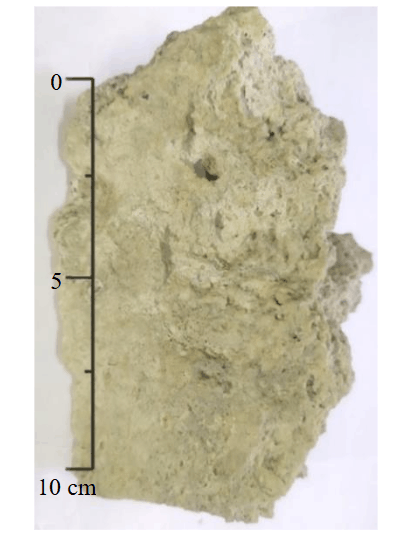
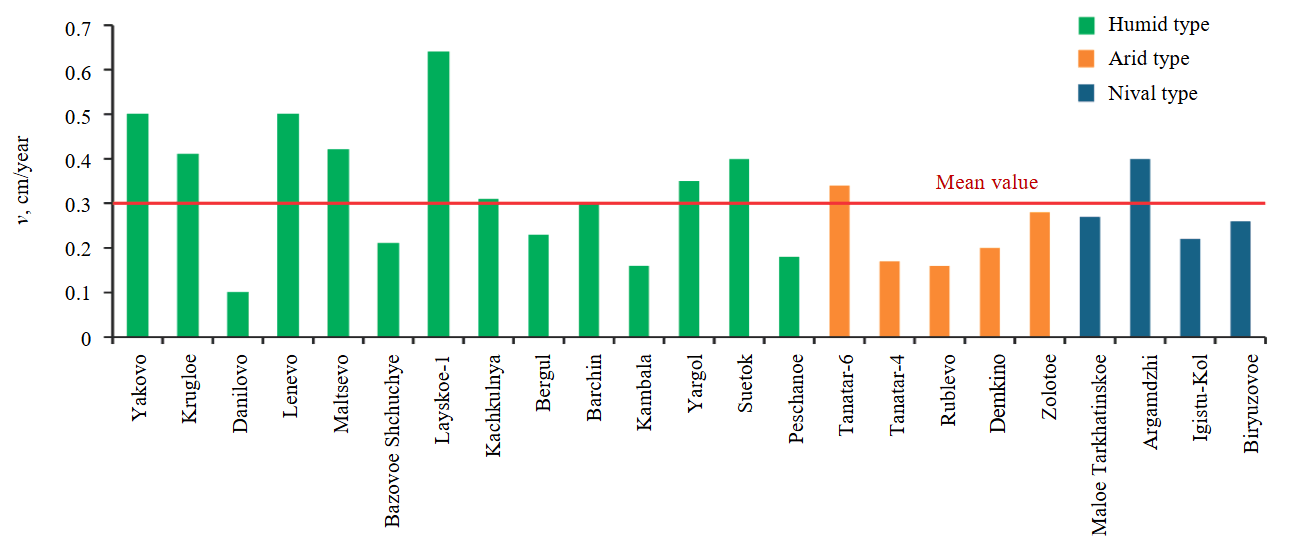
Fig.5. Diagram of sedimentation rates for the studied lakes located under nival, humid, and arid sedimentogenesis
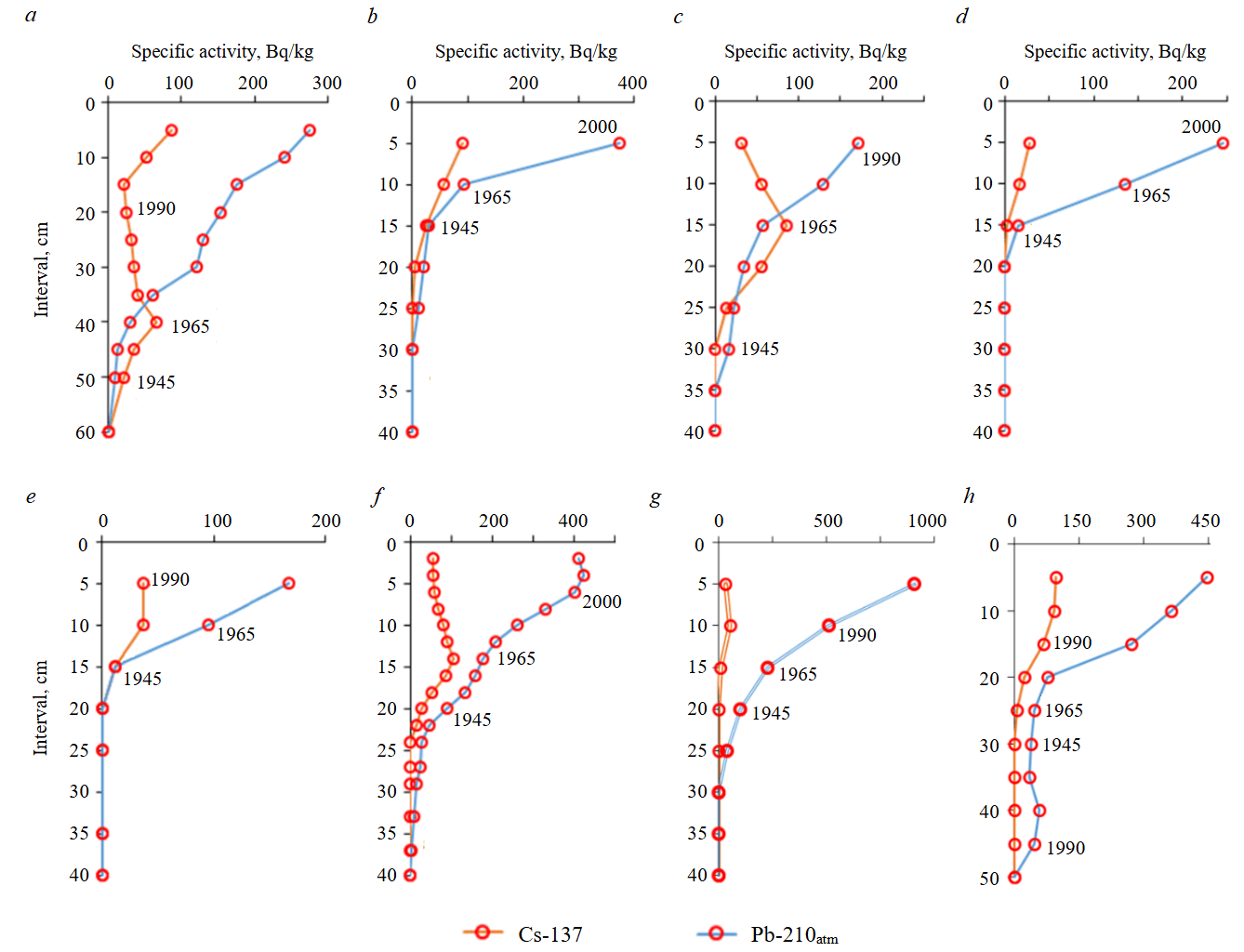
Fig.6. Graphs of Pb-210 and Cs-137 distribution for the studied lakes in different landscapes under different types of sedimentogenesis: a – Layskoe Lake – 5.4 mm/year, humid type, taiga; b – Danilovo Lake – 1.9 mm/year, humid type, taiga; c – Barchin Lake – 3.2 mm/year, humid type, forest-steppe; d – Kambala Lake – 1.6 mm/year, humid type, forest-steppe; e – Tanatar Lake – 1.7 mm/year, arid type, steppe; f – Zolotoe Lake – 2.9 mm/year, arid type, ribbon forest; g – Biryuzovoe Lake – 2.6 mm/year, nival type, mid-mountain area; h – Argamdzhi Lake – 4 mm/year, nival type, high-mountain area
In all landscape zones, among the bottom sediments of small lakes, sapropels have been identified in which carbonates constitute a significant part of the bottom sediment and are capable of efficiently burying carbon. For a comparative analysis of the ratios of organic and mineral (carbonate) carbon, an assessment was carried out on 15 lakes (Table 2). As can be seen from Table 2, even for high-ash sapropels, the carbonate carbon content does not exceed 22 % of the total carbon pool in the bottom sediments. The highest values are characteristic of lakes with mineralized calcium and mixed sapropels (Rublevo, Demkino, Shchuchye-L, Kankul). No spatial landscape patterns were found; in each landscape zone under different types of sedimentogenesis, high-ash carbonate sapropels are formed, but the largest carbon pool resides in the organic fraction of the BS.
Table 2
Organic and carbonate carbon content in the BS of small lakes
|
Lake |
Ash content, % |
Corg, % |
Сcarb, % |
|
Humid type of sedimentogenesis |
|||
|
Kachkulnya |
17 |
99.8 |
0.2 |
|
Yargol |
35 |
99.1 |
0.9 |
|
Maloe Minzelinskoe |
45 |
97.6 |
2.4 |
|
Peschanoe |
50 |
92.3 |
7.7 |
|
Barchin |
52 |
92.3 |
7.7 |
|
Kayly |
55 |
97.4 |
2.6 |
|
Bergul |
65 |
92.7 |
7.3 |
|
Shchuchye-L |
67 |
82.6 |
17.4 |
|
Kankul |
85 |
77.6 |
22.4 |
|
Arid type of sedimentogenesis |
|||
|
Demkino |
65 |
83.8 |
16.2 |
|
Tanatar-4 |
65 |
84.8 |
15.2 |
|
Rublevo |
68 |
82.9 |
17.1 |
|
Zolotoe |
69 |
84.4 |
15.6 |
|
Petukhovo (near the vil. Severka) |
79 |
91.2 |
8.8 |
|
Nival type of sedimentogenesis |
|||
|
Biryuzovoe |
81 |
85.2 |
14.8 |
|
Podkova |
41 |
99.29 |
0.71 |
The data on carbon deposition rates correlate well with the data of N.I.Yermolaeva, E.Yu.Zarubina, and G.V.Fetter on the productivity of aquatic organisms in the studied lakes [22, 23]. In terms of primary production, the highest values are characteristic of lakes located in territories with the humid type of sedimentogenesis (taiga zone, forest-steppe), while the lowest values are typical of low-productivity steppe and mid- to high-mountain lakes of the nival type of sedimentogenesis. The average carbon deposition rates for bottom sediments are 560 g/m2 per year for lakes localized under the humid type, and 300 and 340 g/m2 per year for lakes localized under the arid and nival types of sedimentogenesis, respectively. The average carbon deposition rates in small lakes of the south of Western Siberia are 462±29 g/m2 per year; the minimum values refer to Krotova Lyaga Lake (steppe, arid type of sedimentogenesis) – 50 g/m2 per year, and the maximum values correspond to Yakovo Lake (taiga zone, humid type of sedimentogenesis) – 1110 g/m2 per year.
At the same time, in each landscape zone, lakes located under a specific type of sedimentogenesis include both lakes with quite high and quite low carbon deposition rates. Based on this, it can be stated that, in addition to regional factors, local conditions are limiting factors affecting carbon deposition rates. Examples include lakes localized in territories with the humid type of sedimentogenesis (Peschanoe, Kankul, Shchuchye-L), where either active authigenic mineral formation leads to the formation of high-ash sapropels with low organic carbon content, or low carbon deposition rates result in the accumulation of small amounts of organic carbon. In the sapropel deposit of Itkul Lake, despite the high biological productivity of the lake (1.1 g/m2 per day), diatoms make a significant contribution, whose frustules consist of amorphous silica (SiO2bio), resulting in the formation of high-ash sapropels (85 %), which dilutes the amount of organic matter in a given volume and, consequently, negatively affects carbon deposition rates. Under the nival and arid types of sedimentogenesis, there are lakes with quite high organic matter contents in the BS (Argamdzhi Lake – 47 % and Kukley Lake – 36 %). This is due to the exceptionally high productivity of the lakes [24], which also determines high carbon deposition rates.
A graph comparing the organic carbon burial rate in the sediments of the studied lakes with data from other researchers and with average carbon uptake levels in various ecosystem types is presented in Fig.7.
The obtained estimates for lakes in the south of Western Siberia correspond to data from other inland water bodies worldwide [27-31] and exceed the average carbon deposition rates on shelves and in bogs. The observed decrease in deposition rate with increasing water body area is consistent with known morphometric dependencies, but local conditions (bioproductivity, ash content, intensity of carbonate formation) play a decisive role. No effect of lake depth on carbon deposition was identified, because at the shallow depths of the studied lakes, nearly the entire flux of material formed during the day in the upper layers of the lake manages to reach the bottom, undergoing almost no mineralization in the water column. Further transformation of biological material occurs at the bottom as a result of the activity of bacteria and benthic organisms [32].
Since there are no data on carbon deposition rates in lakes for the territory of Western Siberia, it was decided to additionally compare the obtained values with carbon deposition rates in peats. In scientific articles by E.A.Golovatskaya and co-authors, estimates of carbon burial in bogs of the southern taiga subzone of Western Siberia are provided – the carbon deposition rate averages 0.19 t/ha per year and ranges from 0.11 to 0.26 t/ha per year [9]. According to other researchers, carbon burial rates for peats are 0.24-0.56 t/ha per year [33], and for bogs in the territory of the former USSR – 0.12-0.8 t/ha per year [34]. All these estimates are significantly lower (by a factor of 10-20) than the obtained data on carbon burial in lake bottom sediments, but are fully consistent with data from researchers in other regions of the world (Fig.7) [3, 25, 26].
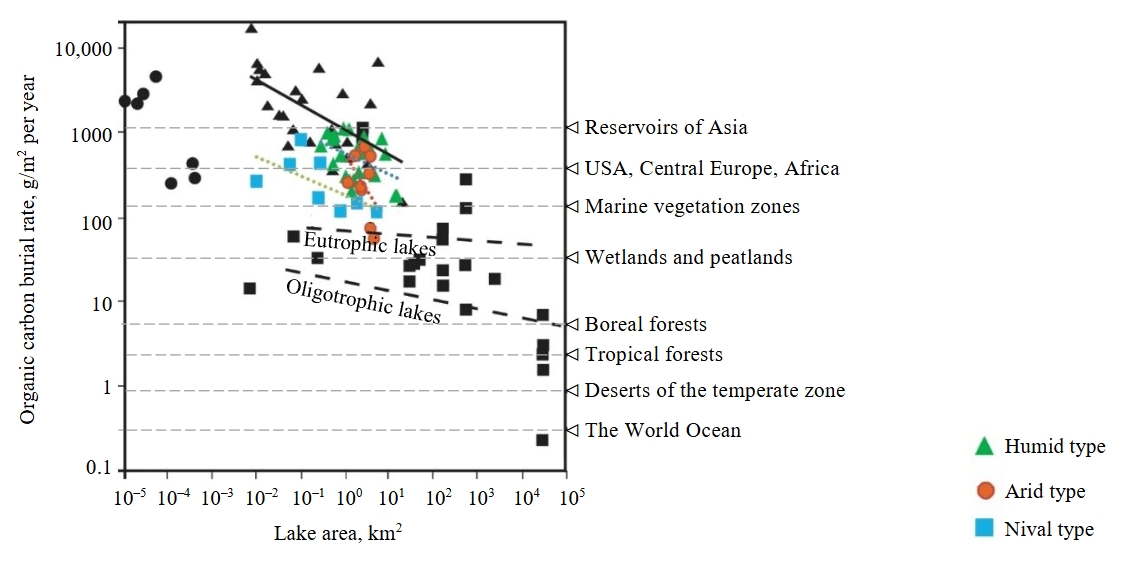
Fig.7. Graph comparing the organic carbon burial rate in sediments of lakes located under different types of sedimentogenesis (authors’ data are shown as colored shapes on the graph [24]). Arrows on the right indicate average carbon uptake levels in different ecosystem types [3, 25, 26]
This can be explained by the similar amount of carbon in the organic fraction of peat and sapropel deposits – peat formation occurs at significantly lower rates. Among oligotrophic phytocenoses, the ridge-hollow complex (0.77 mm/year) and low ryam (0.63 mm/year) are characterized by the highest peat accumulation rates, while the lowest rate is found in high ryam (0.25 mm/year) [32], which is significantly lower than the sedimentation rates in lakes calculated in this study.
Conclusion
The study has shown that small lakes in the south of Western Siberia are efficient carbon accumulators, with average deposition rates of 462±29 g/m2 per year, which is comparable to global values in other regions of the world and exceeds the analogous indicators of peatlands in the territory of Western Siberia. The total volume of carbon sequestration in the bottom sediments of small lakes in the south of Western Siberia varies both at regional and local spatial scales, does not depend on the type of sedimentogenesis, and ranges from 0.6 to 11.2 t/ha per year.
The majority of carbon is fixed in the form of organic matter, despite the widespread occurrence of carbonate minerals. No spatial landscape patterns of carbonate carbon burial were found; in each landscape zone under different types of sedimentogenesis, high-ash carbonate sapropels are formed, but the largest carbon pool resides in the organic fraction of the bottom sediments.
The main factors determining the volume of carbon sequestration are the sedimentation rate, the balance between production and destruction of organic matter, and authigenic mineral formation processes.
The obtained data highlight the necessity of including small lakes in global carbon cycle models.
References
- Friedlingstein P., O’Sullivan M., Jones M.W. et al. Global Carbon Budget 2024. Earth System Science Data. 2025. Vol. 17. Iss. 3, p. 965-1039. DOI: 10.5194/essd-17-965-2025
- Weifeng Xu, Yaofei Cheng, Mengyuan Luo et al. Progress and Limitations in Forest Carbon Stock Estimation Using Remote Sensing Technologies: A Comprehensive Review. Forests. 2025. Vol. 16. Iss. 3. N 449. DOI: 10.3390/f16030449
- Mendonça R., Müller R.A., Clow D. et al. Organic carbon burial in global lakes and reservoirs. Nature Communications. 2017. Vol. 8. N 1694. DOI: 10.1038/s41467-017-01789-6
- Casas-Ruiz J.P., Bodmer P., Bona K.A. et al. Integrating terrestrial and aquatic ecosystems to constrain estimates of land-atmosphere carbon exchange. Nature Communications. 2023. Vol. 14. N 1571. DOI: 10.1038/s41467-023-37232-2
- Ljung K., Lin S. Organic Carbon Burial in Constructed Ponds in Southern Sweden. Earth Science, Systems and Society. 2023. Vol. 3. Iss. 1. N 10061. DOI: 10.3389/esss.2023.10061
- Cael B.B., Seekell D.A. Simple model of morphometric constraint on carbon burial in boreal lakes. Frontiers in Environmental Science. 2023. Vol. 11. N 1101332. DOI: 10.3389/fenvs.2023.1101332
- Chmiel H.E., Kokic J., Denfeld B.A. et al. The role of sediments in the carbon budget of a small boreal lake. Limnology and Oceanography. 2016. Vol. 61. Iss. 5, p. 1814-1825. DOI: 10.1002/lno.10336
- Beilman D.W., MacDonald G.M., Smith L.C., Reimer P.J. Carbon accumulation in peatlands of West Siberia over the last 2000 years. Global Biogeochemical Cycles. 2009. Vol. 23. Iss. 1. N GB1012. DOI: 10.1029/2007GB003112
- Golovatskaya Е.A., Dyukarev E.A., Veretennikova E.E. et al. Evaluation of the dynamics of the carbon balance for peatlands of the southern-taiga subzone of West Siberia (Tomsk region). The Journal of Soils and Environment. 2022. Vol. 5. N 4. N e194 (in Russian). DOI: 10.31251/pos.v5i4.194
- Polishchuk Y.M., Bogdanov A.N., Polishchuk V.Y. et al. Size Distribution, Surface Coverage, Water, Carbon, and Metal Storage of Thermokarst Lakes in the Permafrost Zone of the Western Siberia Lowland. Water. 2017. Vol. 9. Iss. 3. N 228. DOI: 10.3390/w9030228
- Kuhn M.A., Varner R.K., Bastviken D. et al. BAWLD-CH4: a comprehensive dataset of methane fluxes from boreal and arctic ecosystems. Earth System Science Data. 2021. Vol. 13. Iss. 11, p. 5151-5189. DOI: 10.5194/essd-13-5151-2021
- Morris J., Sokolov A., Reilly J. et al. Quantifying both socioeconomic and climate uncertainty in coupled human–Earth systems analysis. Nature Communications. 2025. Vol. 16. N 2703. DOI: 10.1038/s41467-025-57897-1
- State Geological Map of the Russian Federation. Scale 1:1,000,000. Seriya Altae-Sayanskaya. List N-44 – Novosibirsk. Obyasnitelnaya zapiska. St. Petersburg: VSEGEI, 2015, p. 392 (in Russian).
- Strakhov N.M. Fundamentals of the Lithogenesis Theory. In 3 volumes. Vol. 1. Types of Lithogenesis and Their Distribution on the Earth's Surface. Moscow: Izd-vo Akademii nauk SSSR, 1960, p. 212 (in Russian).
- Strakhovenko V.D., Ovdina E.A., Malov G.I. et al. Genesis of Organomineral Deposits in Lakes of the Central Part of the Baraba Lowland (South of West Siberia). Russian Geology and Geophysics. 2019. Vol. 60. N 9, p. 978-989. DOI: 10.15372/GiG2019093
- Strakhovenko V.D., Ovdina E.A., Malikova I.N., Malov G.I. Radioactivity Assessment of Sapropel Sediments in Small Lakes in the Baraba Lowland and Kulunda Plain, West Siberia. Geochemistry International. 2022. Vol. 60. N 8, p. 792-807. DOI: 10.1134/S0016702922080080
- Strahovenko V.D., Malov G.I., Ovdina E.A., Malov V.I. Mineral composition and formation conditions of bottom sediments of the small lakes of The Ukok Plateau (Altai). Geomorfologiya i paleogeografiya. 2023. Vol. 54. N 4, p. 207-225 (in Russian). DOI: 10.31857/S2949178923040138
- Appleby P.G., Oldfield F. The calculation of lead-210 dates assuming a constant rate of supply of unsupported 210Pb to the sediment. Catena. 1978. Vol. 5. Iss. 1, p. 1-8. DOI: 10.1016/S0341-8162(78)80002-2
- Abril-Hernández J.M. 210Pb-dating of sediments with models assuming a constant flux: CFCS, CRS, PLUM, and the novel χ-mapping. Review, performance tests, and guidelines. Journal of Environmental Radioactivity. 2023. Vol. 268-269. N 107248. DOI: 10.1016/j.jenvrad.2023.107248
- Zauer E.A. Modern automatic CHNS/O/X organic compound analyzers. Analitika i kontrol. 2018. Vol. 22. N 1, p. 6-19 (in Russian). DOI: 10.15826/analitika.2018.22.1.001
- Korde N.V. Biostratification and Typology of Russian Sapropels. Moscow: Izd-vo Akademii nauk SSSR, 1969, p. 219 (in Russian).
- Zarubina E.Yu., Fetter G.V. To hydrological and hydrochemical characteristics of high altitude lakes in the river Multa basin (Gorny Altai). Bulletin of the Altay Branch of the Russian Geographical Society. 2020. Vol. 59. N 4, p. 74-82 (in Russian). DOI: 10.24411/2410-1192-2020-15908
- Fetter G.V., Yermolaeva N.I. The influence of abiotic factors on zooplankton structure in small lakes in South of West Sibiria. Bulletin of the Altay Branch of the Russian Geographical Society. 2018. Vol. 49. N 2, p. 95-103 (in Russian).
- Downing J.A. Emerging global role of small lakes and ponds: Little things mean a lot. Limnetica. 2010. Vol. 29 (1). P. 9-24. DOI: 10.23818/limn.29.02
- Ivanov D.V., Osmelkin E.V., Ziganshin I.I. Spatial regularities of carbon, nitrogen and phosphorus accumulation in lake sediments of the Chuvash Republic. Transactions of the Karelian Research Centre of the Russian Academy of Sciences. 2021. N 4, p. 108-118 (in Russian). DOI: 10.17076/lim1402
- Capelle D.W., Kuzyk Z.Z.A., Papakyriakou T. et al. Effect of terrestrial organic matter on ocean acidification and CO2 flux in an Arctic shelf sea. Progress in Oceanography. 2020. Vol. 185. N 102319. DOI: 10.1016/j.pocean.2020.102319
- Jones J.R., Pope-Cole K., Obrecht D.V. et al. Carbon and nutrient sequestration in small impoundments: a regional study with global implications. Inland Waters. 2023. Vol. 13. Iss. 3, p. 374-387. DOI: 10.1080/20442041.2023.2265799
- Yulai Ji, Jiacong Huang, Qing Zhu et al. Small Ponds as Carbon Emission and Burial Hotspots in Lowland Agricultural Landscape. Earth’s Future. 2025. Vol. 13. Iss. 4. N e2024EF005441. DOI: 10.1029/2024EF005441
- Munroe J., Brencher Q. Holocene Carbon Burial in Lakes of the Uinta Mountains, Utah, USA. Quaternary. 2019. Vol. 2. Iss. 1. N 13. DOI: 10.3390/quat2010013
- Skwierawski A. Carbon Sequestration Potential in the Restoration of Highly Eutrophic Shallow Lakes. International Journal of Environmental Research and Public Health. 2022. Vol. 19. Iss. 10. N 6308. DOI: 10.3390/ijerph19106308
- Jeffries M.J., Gilbert P.J., Taylor S. et al. Organic carbon in British lowland ponds: estimating sediment stocks, possible practical benefits and significant unknowns. Hydrobiologia. 2023. Vol. 850. Iss. 15, p. 3225-3239. DOI: 10.1007/s10750-022-04972-z
- Taran O.P., Boltenkov V.V., Ermolaeva N.I. et al. Relations between the Chemical Composition of Organic Matter in Lacustrine Ecosystems and the Genesis of Their Sapropel. Geochemistry International. 2018. Vol. 56. N 3, p. 256-265. DOI: 10.1134/S0016702918030096
- Babikov B.V., Kobak K.I. Absorption of Atmospheric Carbon Dioxide by the Wetland Ecosystems of Russia in Holocene. The Problems of Рaludification. Lesnoy zhurnal. 2016. N 1, p. 9-36 (in Russian). DOI: 10.17238/issn0536-1036.2016.1.9
- Lapshina E.D. Vegetation of Bogs in the Southeast of Western Siberia. Khanty-Mansiisk: Yugorskii gosudarstvennyi universitet, 2010, p. 184 (in Russian).